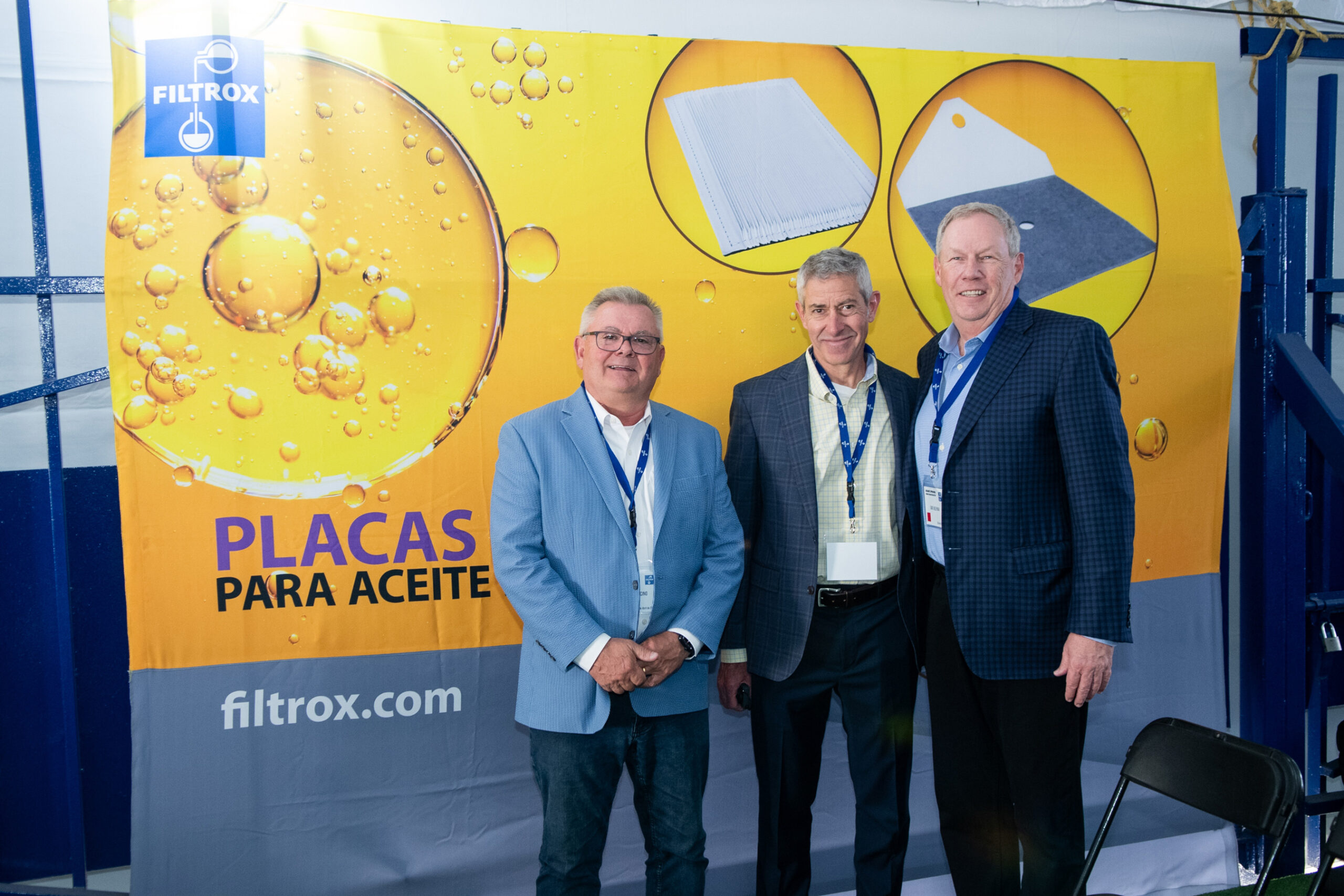
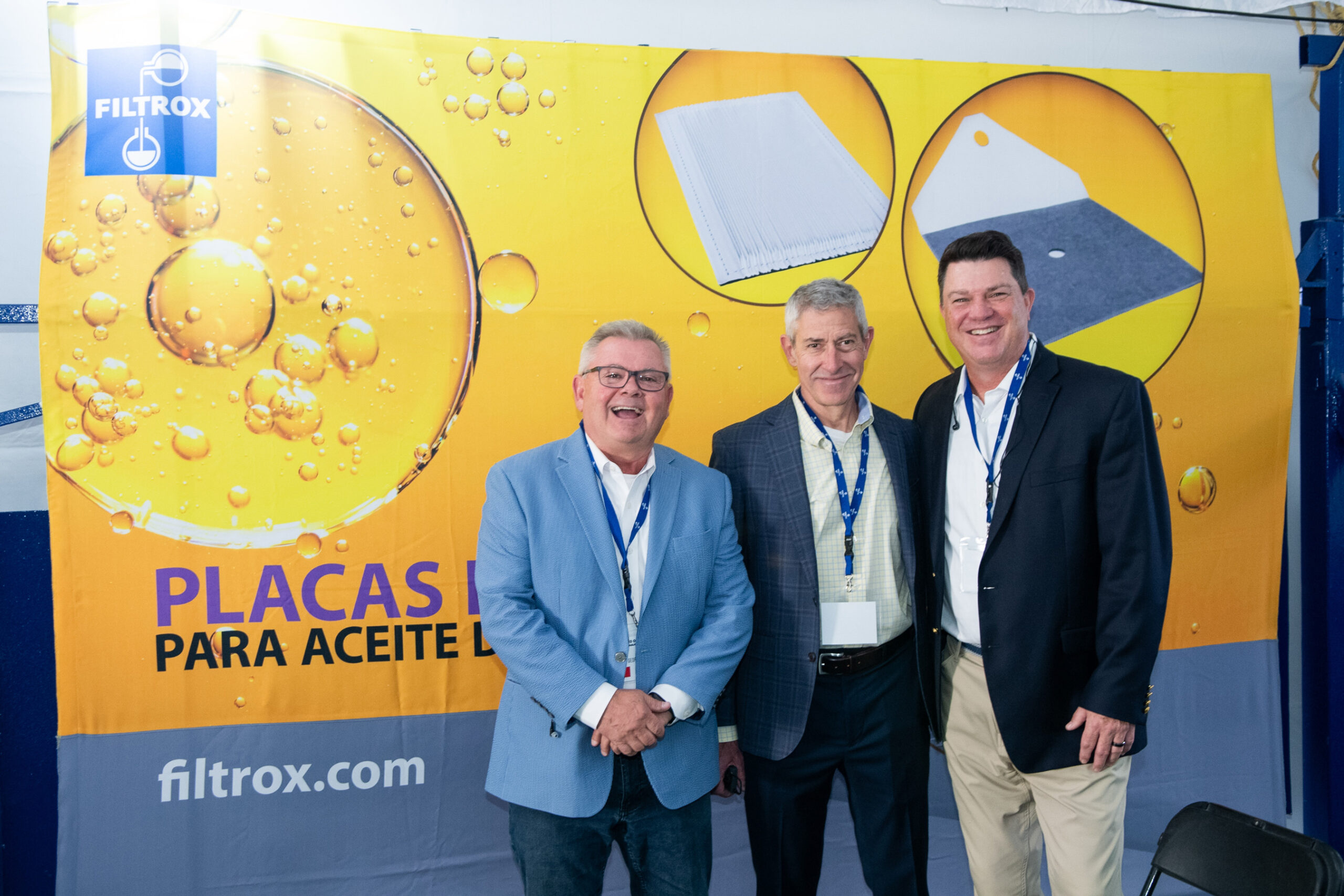
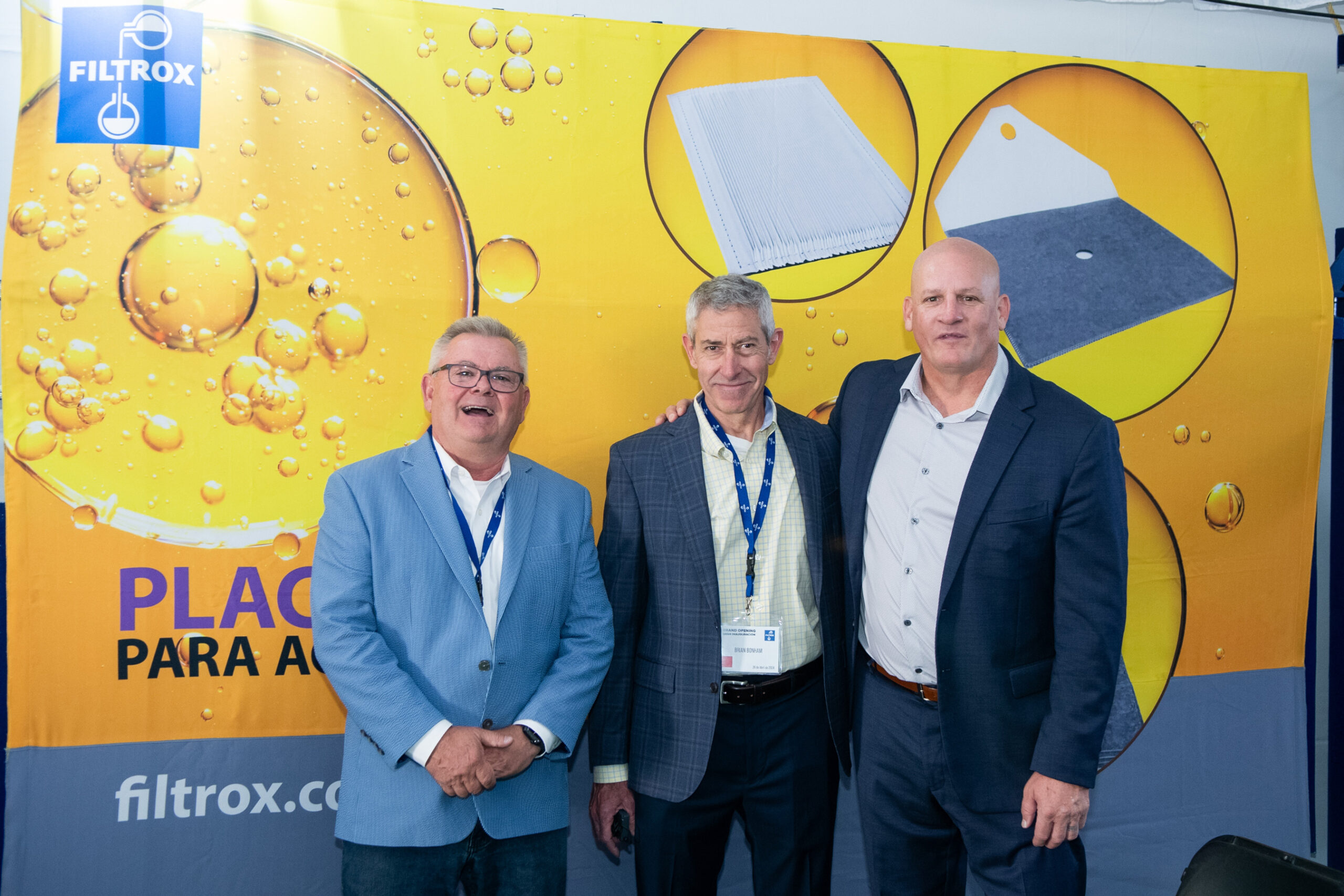
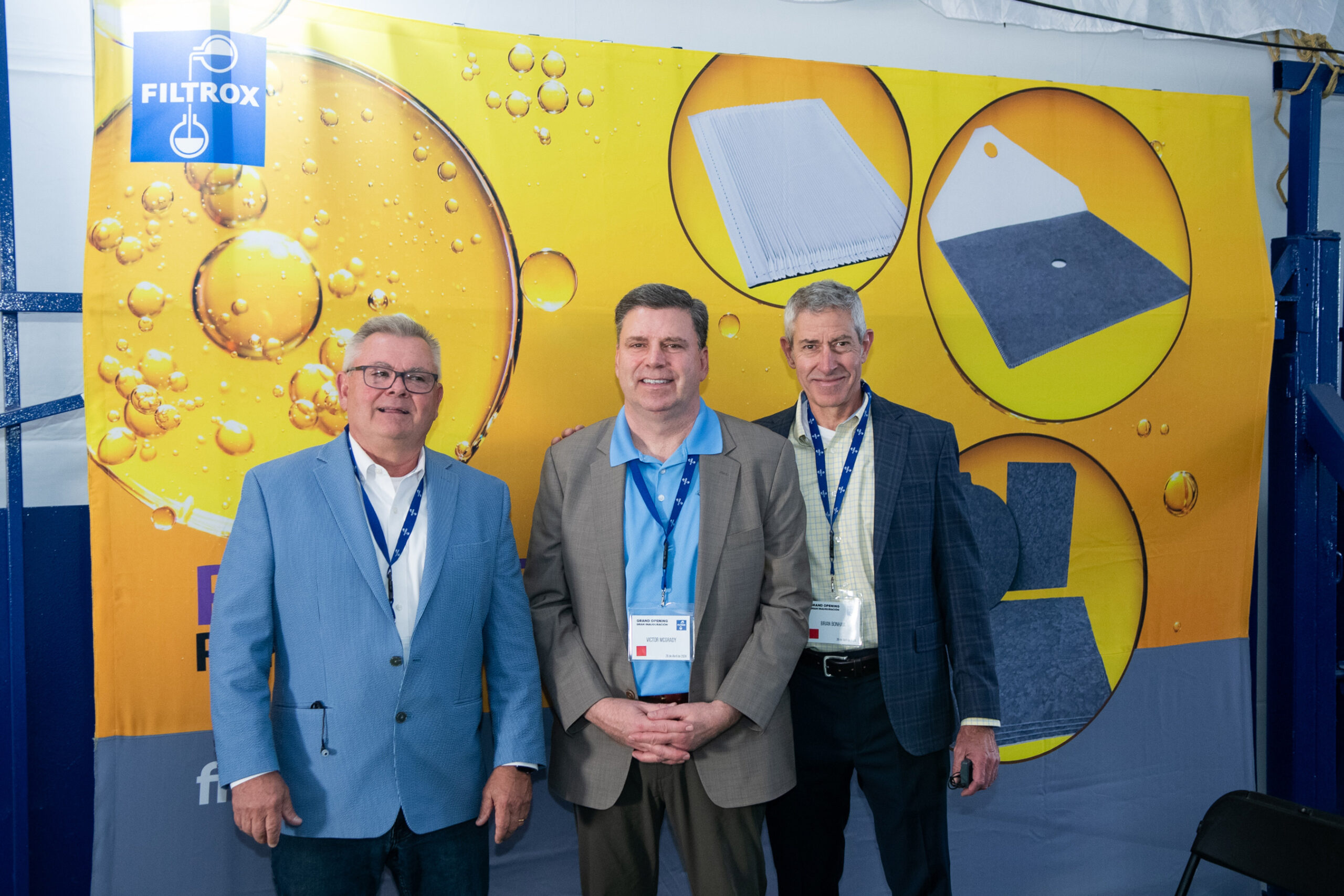
FILTROX is entering an important new chapter. With a carefully planned transition in leadership, we are laying the foundation for the company’s continued successful development and long-term future.
Today, we would like to share an important update regarding the future leadership of FILTROX.
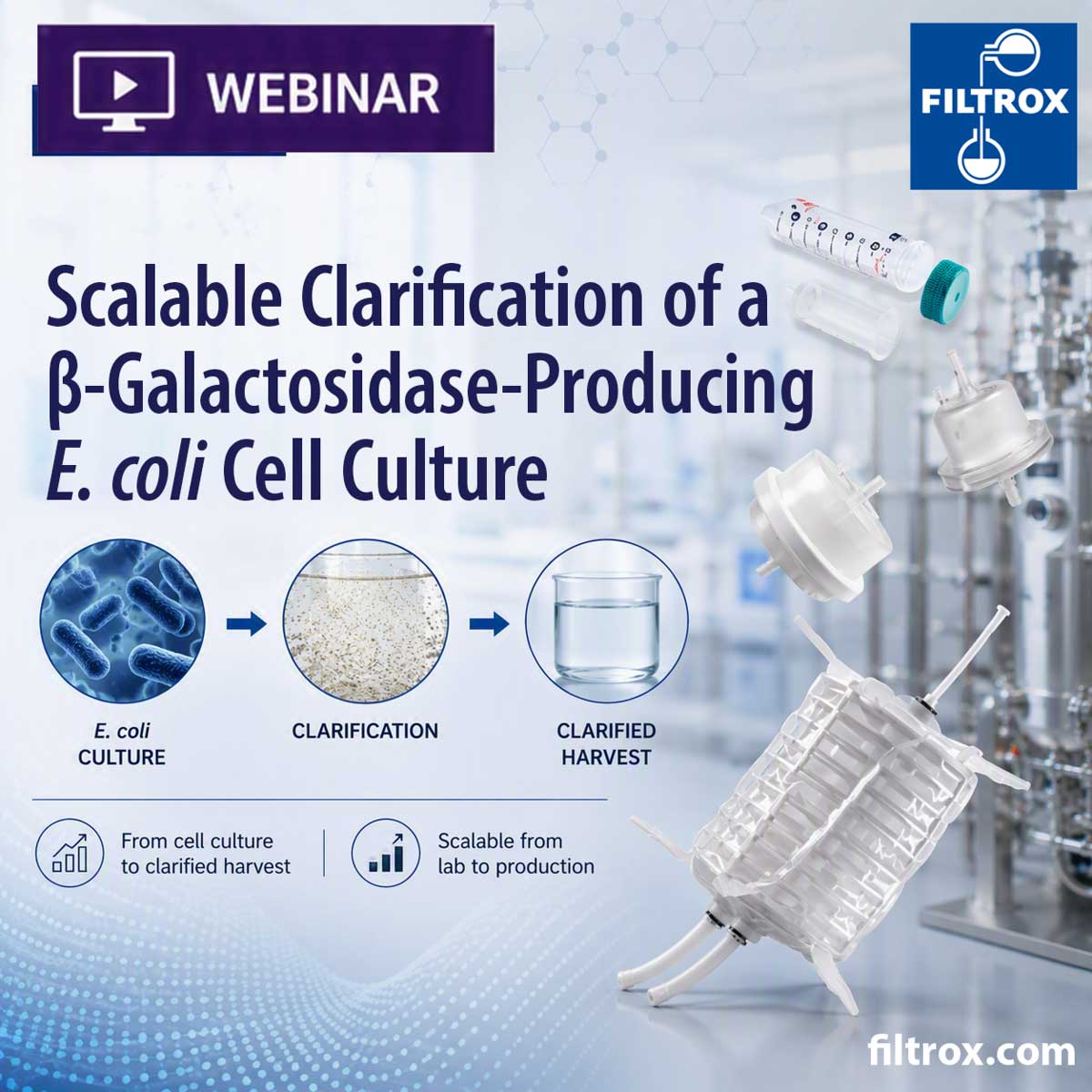
Scalable Clarification of a β-Galactosidase-Producing E. coli Cell Culture
Discover how scalable FILTROX depth filtration systems can support the efficient clarification of enzyme solutions.
In this webinar, we will take a closer look at the clarification of a β-galactosidase-producing E. coli K12 culture, covering:
Process development
Scale-up considerations
Selection of suitable FILTROX technologies for enzyme-containing process streams
Presenters: • Claudia Dietrich, Dr. Sc., Global Product Manager Life Science SU • Georgios Makris, PhD, Global Application Engineer Life Science • David Vinzent, Global Product Manager Life Science
27 October 2026 Choose the session that suits your time zone best:
09:00–10:00 CET (08:00–09:00 UTC) — [Slot 1] REGISTER HERE
17:00–18:00 CET (16:00–17:00 UTC) — [Slot 2] REGISTER HERE
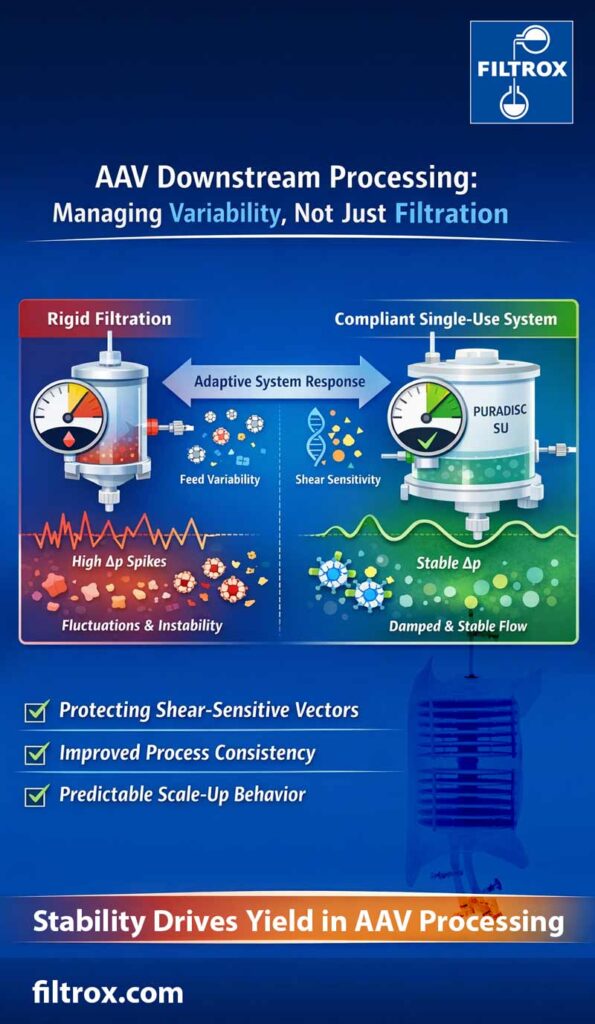
AAV downstream processing is not a filtration problem – it is a variability management problem.
Feed composition shifts, solids variability and shear sensitivity define process stability, not nominal filter ratings. In this context, filtration is no longer a passive unit operation. The filtration itself becomes part of the process dynamics.
Rigid filtration setups tend to transmit fluctuations directly : small changes in feed can result in immediate Δp (differential pressure) responses and unstable flow behavior. Δp is not just a pressure value – it is a real-time indicator of how the system responds to process variability.
More compliant system architectures behave differently: they damp pressure fluctuations, smooth the flow profile, and reduce the propagation of process noise. This is where system design becomes critical.
A compliant single-use setup like PURADISC SU introduces inherent hydraulic damping, stabilizing Δp progression and reducing system-induced variability in the process.
For AAV processes, this translates into:
protection of shear-sensitive vectors
improved process consistency
more predictable scale-up behavior
In AAV, stability is not a luxury – it is a yield driver.
You don’t optimize AAV filtration by changing the filter – you optimize it by controlling the system response.
We’re proud to share a recent success story from a project in Istria, where we supported a client in optimizing their Extra Virgin Olive Oil filtration process.
Through a targeted analysis and fine-tuning of the filtration system, we were able to significantly increase overall efficiency — resulting in improved throughput and reduced product loss. These optimizations not only streamlined operations but also contributed to maintaining the high quality standards essential in premium extra virgin olive oil production.
This project highlights how even well-established processes can benefit from precise technical adjustments and data-driven optimization.
A big thank you to our partner for their trust and collaboration. We look forward to continuing to drive innovation in depth filtration solutions for your valuable liquids.
FILTROX AG, a leading provider of depth filtration solutions for the beverage, food, and life science industries, today announced a long-term strategic partnership with STRASSBURGER Filter GmbH & Co. KG, a specialist in industrial filter equipment and components. The collaboration combines the strengths of both companies to expand their offering in filter equipment, spare parts, and filtration solutions, while ensuring continuity, high service quality, and long-term support for customers worldwide.
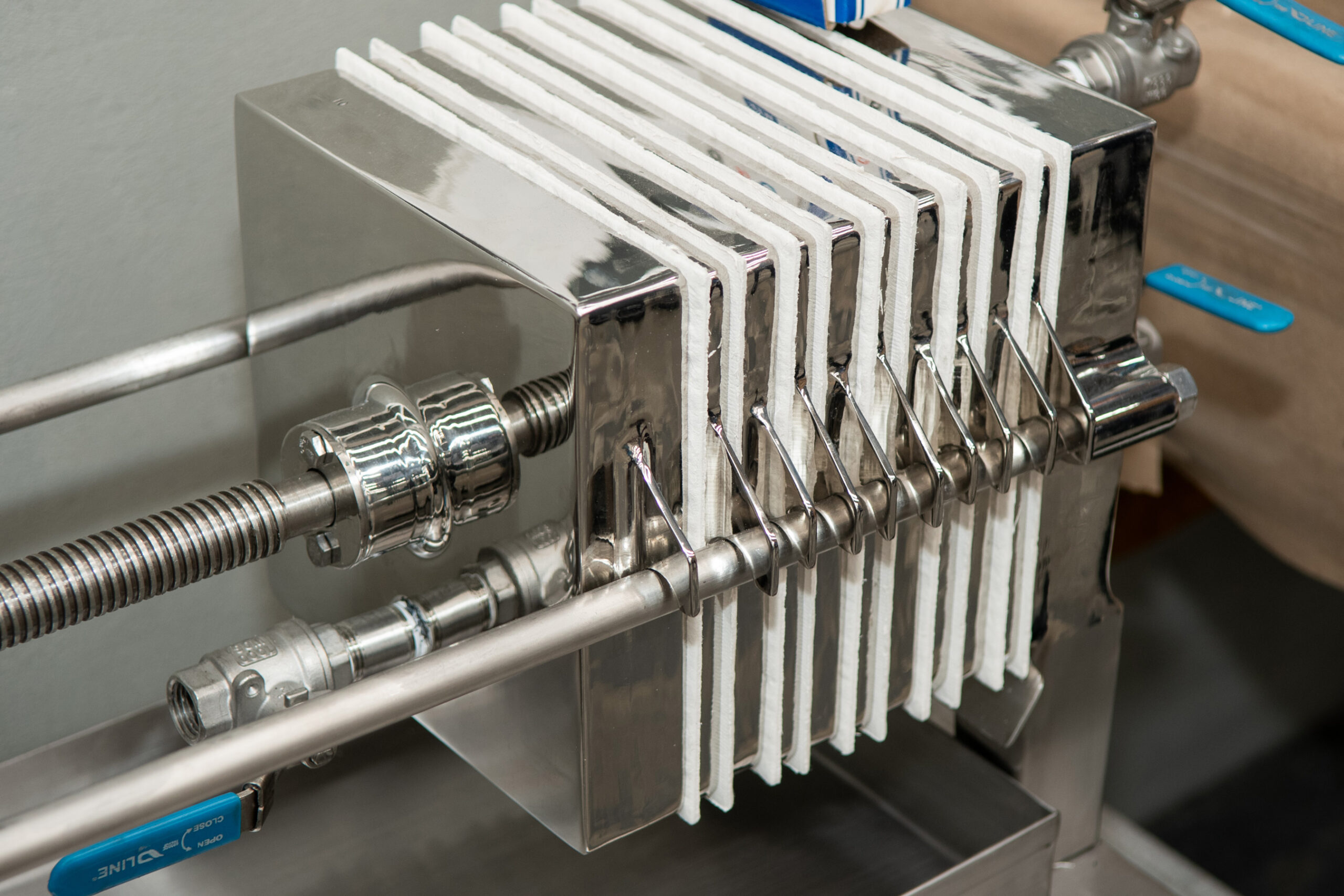
PURADISC® SU – Next-Generation Single-Use Filter Modules for Alluvial Filtration. Innovative. Efficient. Scalable.
The new PURADISC® SU is designed to bring alluvial filtration to the next level, offering greater flexibility, efficiency, and process safety. With single-use technology, companies can reduce downtime, eliminate cleaning and cleaning validation requirements, and accelerate time to market – all while minimizing contamination risks.
Fully gamma-sterilized and ready to use, PURADISC® SU meets the highest regulatory standards in materials, production, and documentation. Its closed-system design ensures no environmental contact, making it particularly suitable for cell and gene therapy, biologics, and pharmaceutical applications. The time-consuming cleaning validation is no longer necessary when using the PURADISC® SU, as it is a closed and drip-free system.
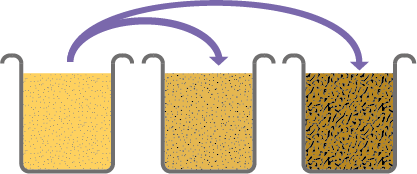
Choose from 6 different ACTIVASORB® filter sheets and carry out filtration tests on a laboratory scale. Achieve the results you need for seamless filtration process development with ease and simplicity. The ACTIVASORB Test-Kit contains:
We are pleased to present our latest sustainability report 2023, which outlines our commitment to responsible business practices and our efforts to minimize our impact on the environment.
This report provides a comprehensive overview of our sustainability efforts throughout the year, highlighting our progress, achievements, and ongoing commitment to environmental responsibility. We thank you for your interest in our sustainability management and hope this report will make for interesting reading for you.
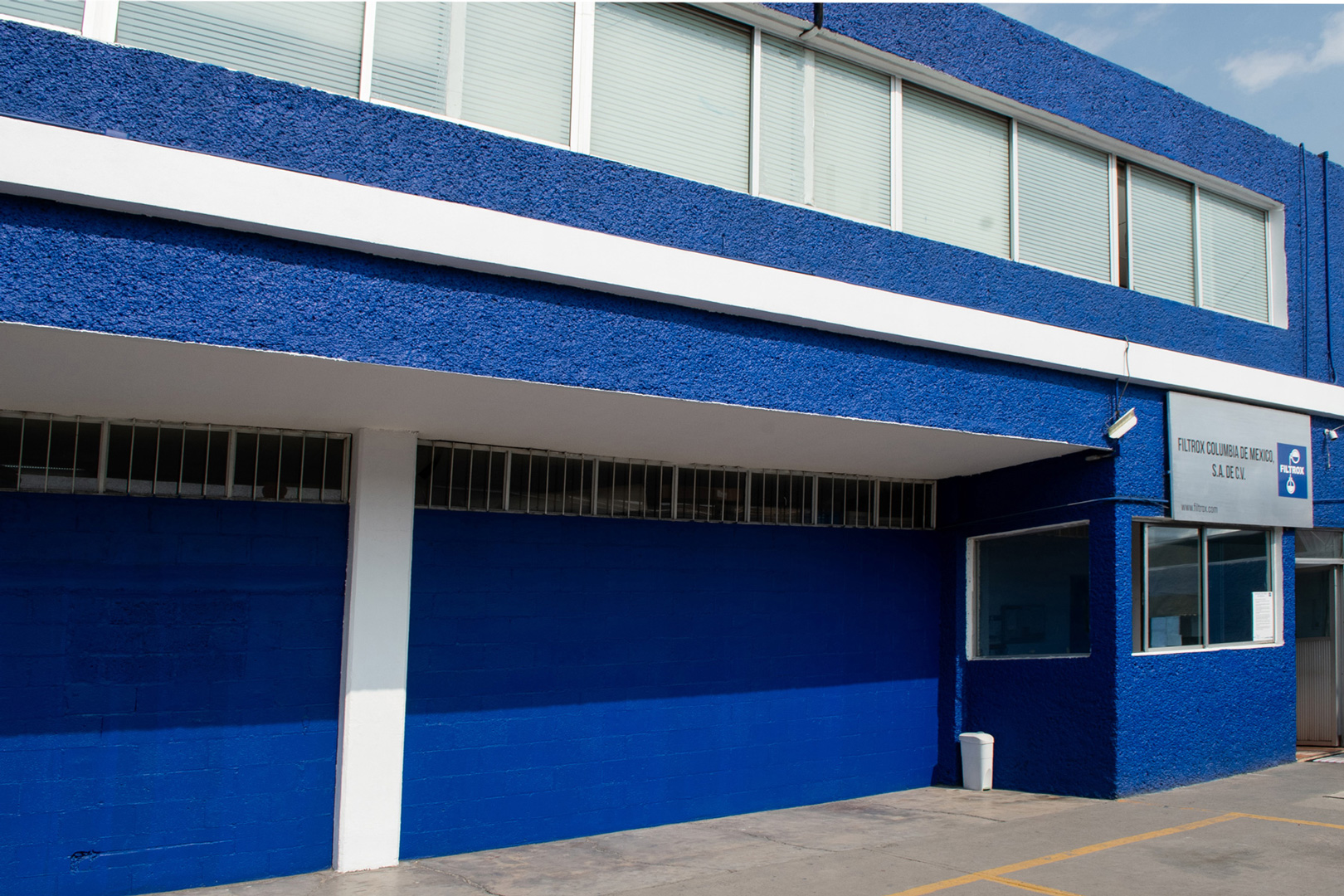
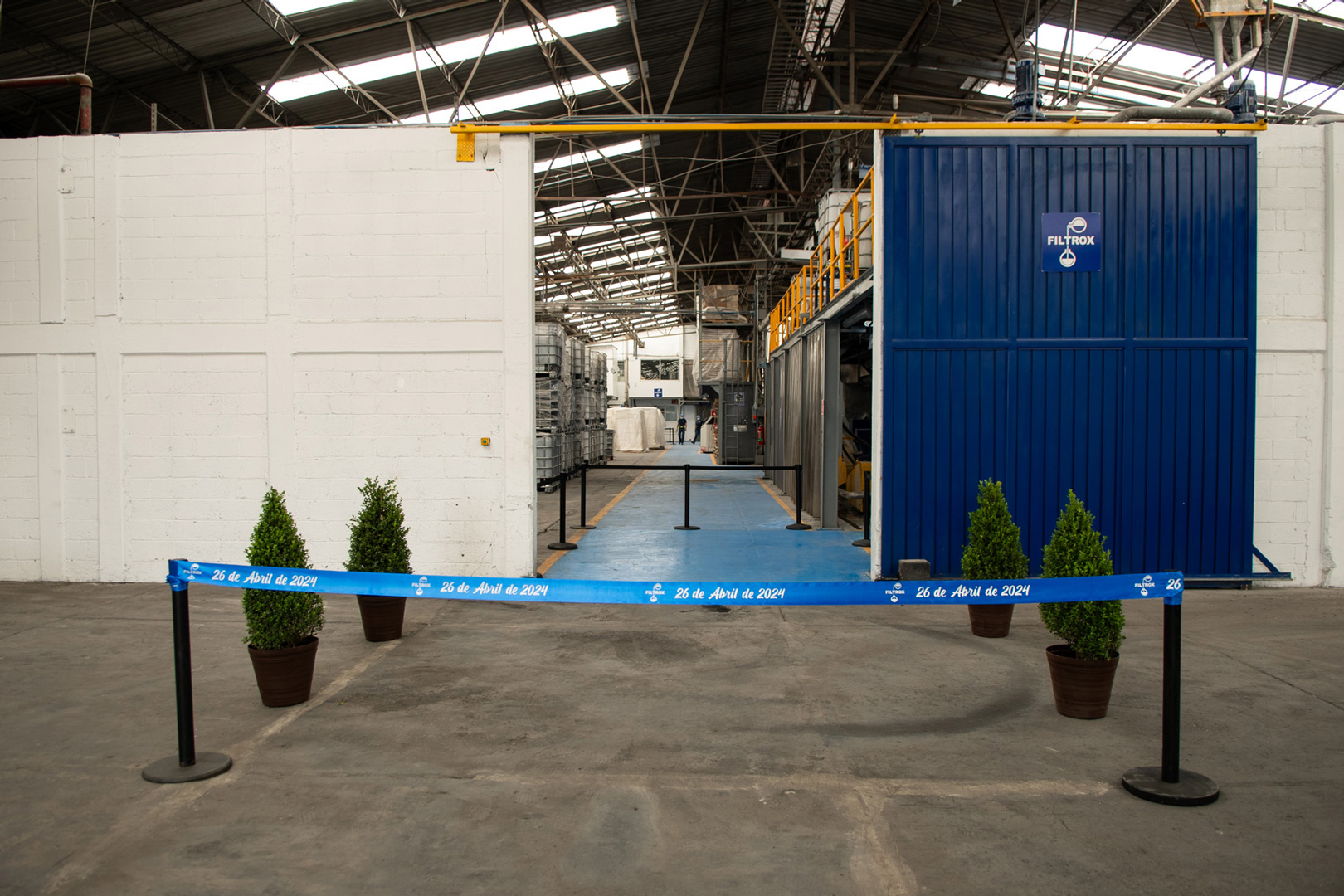
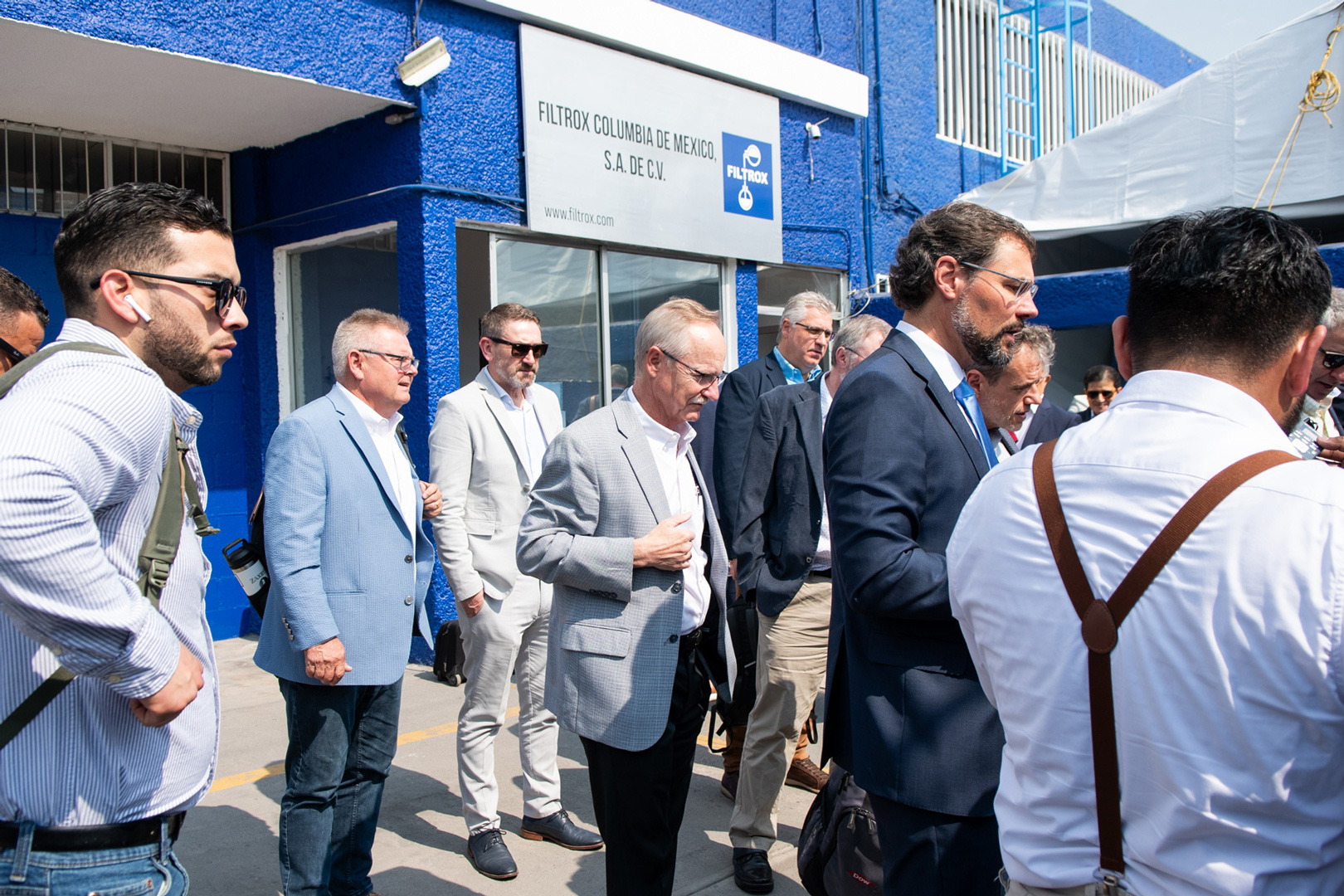
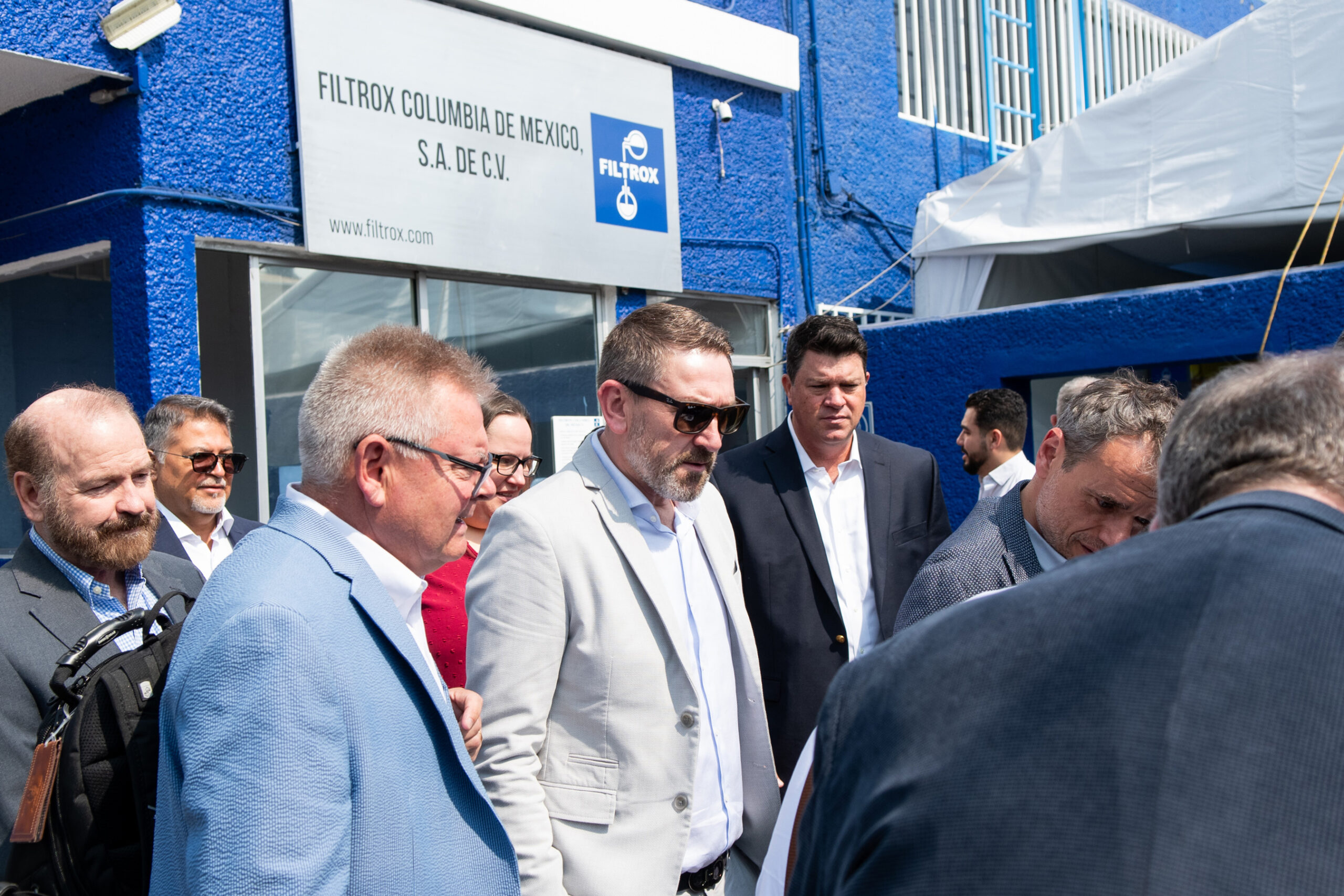
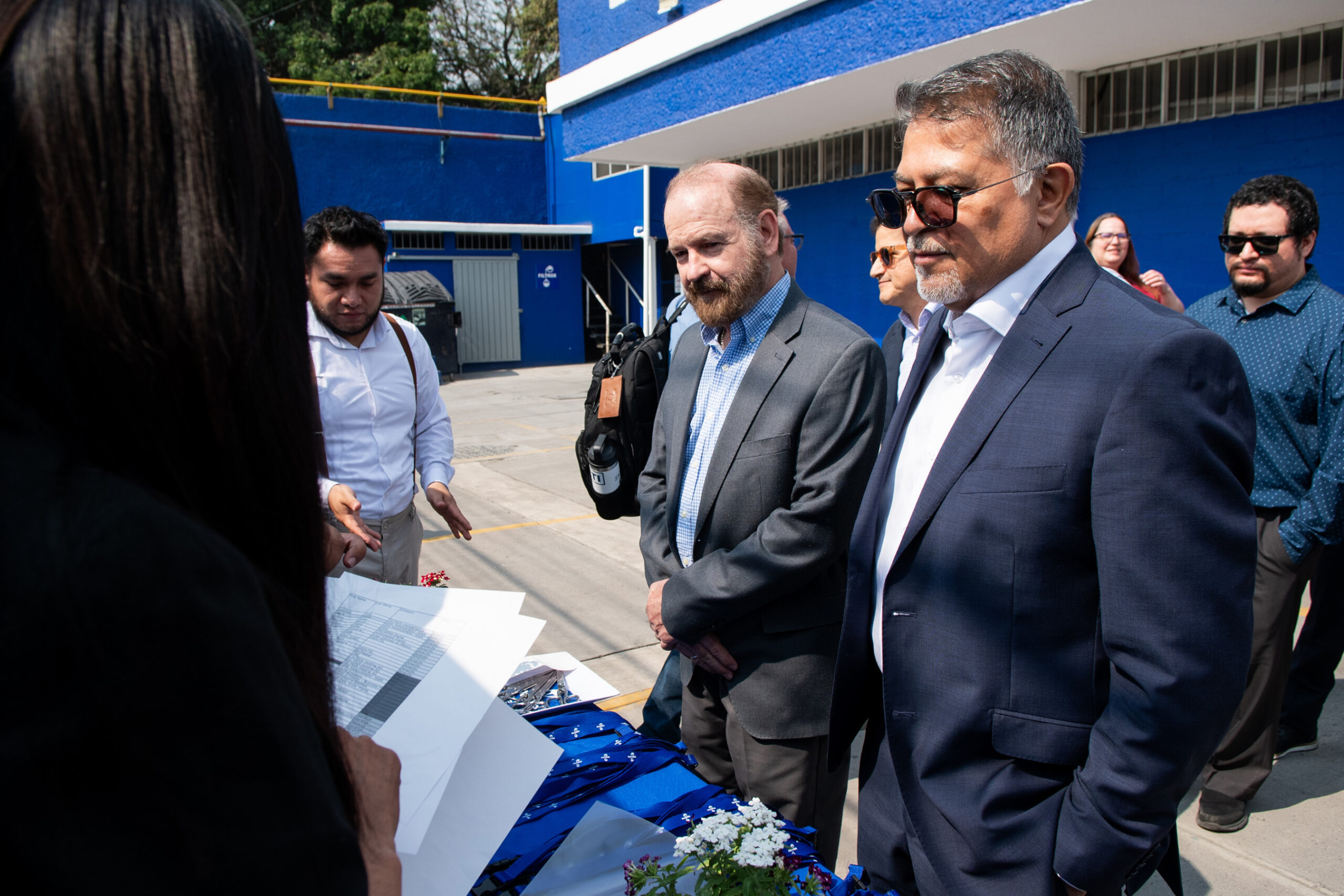
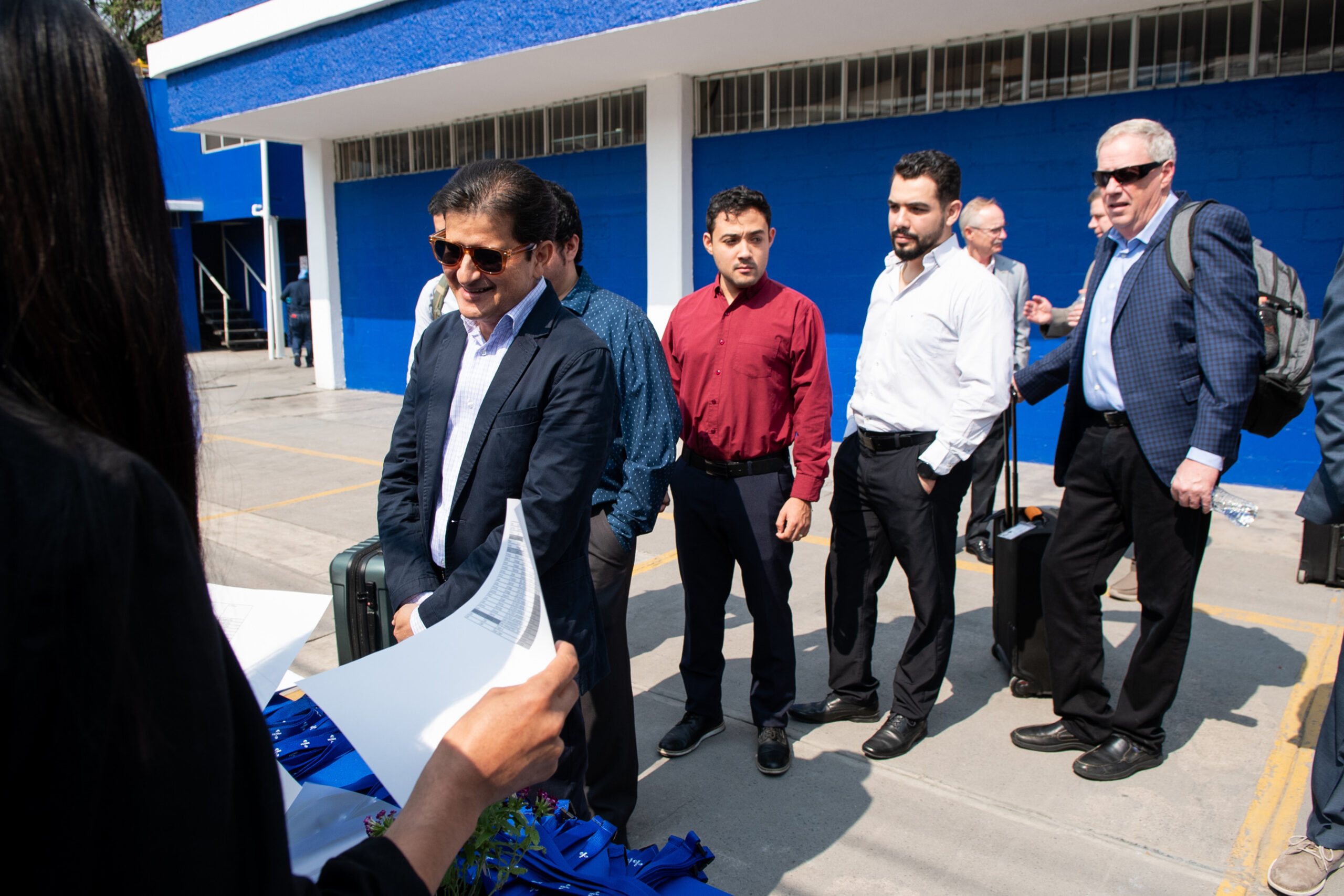
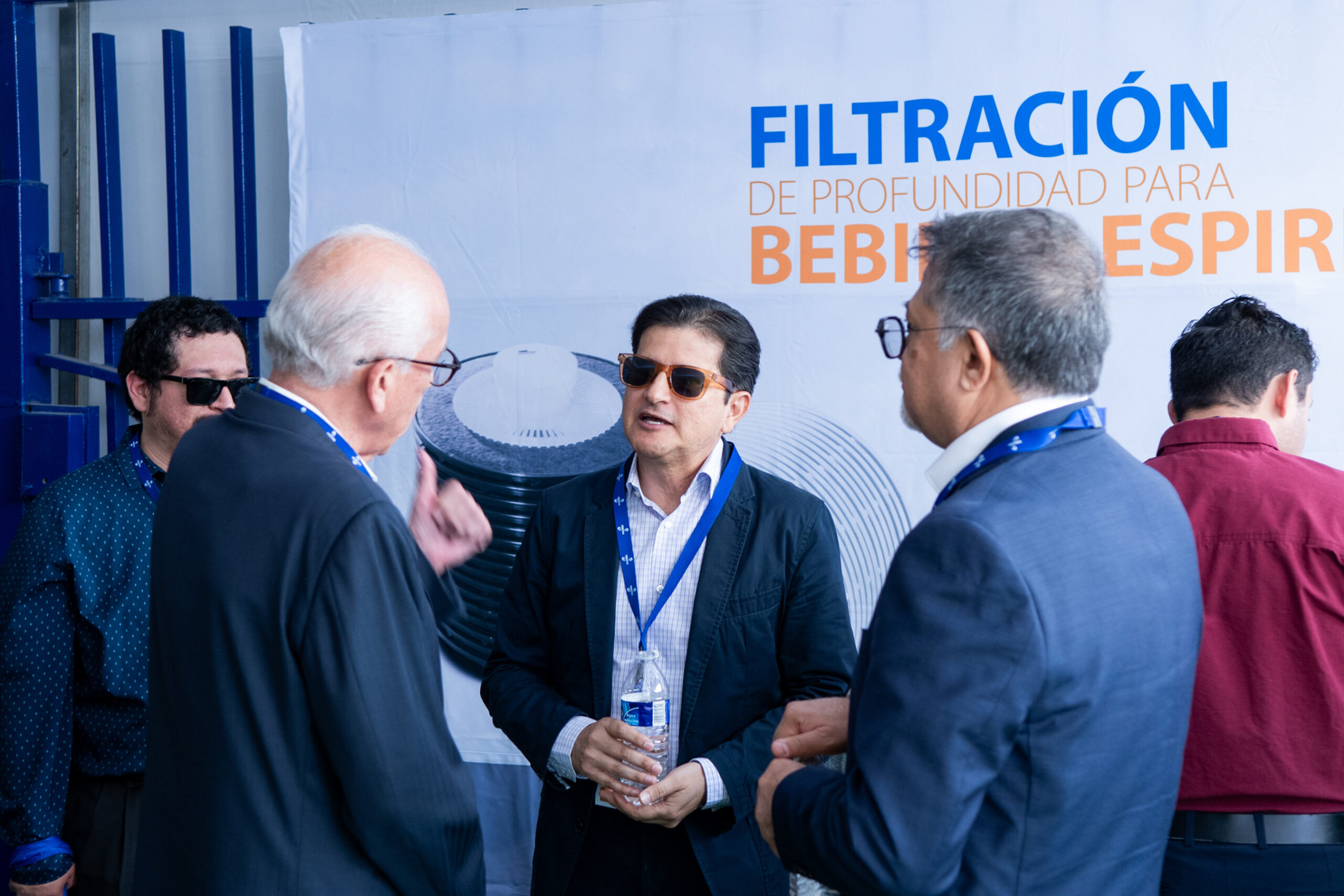
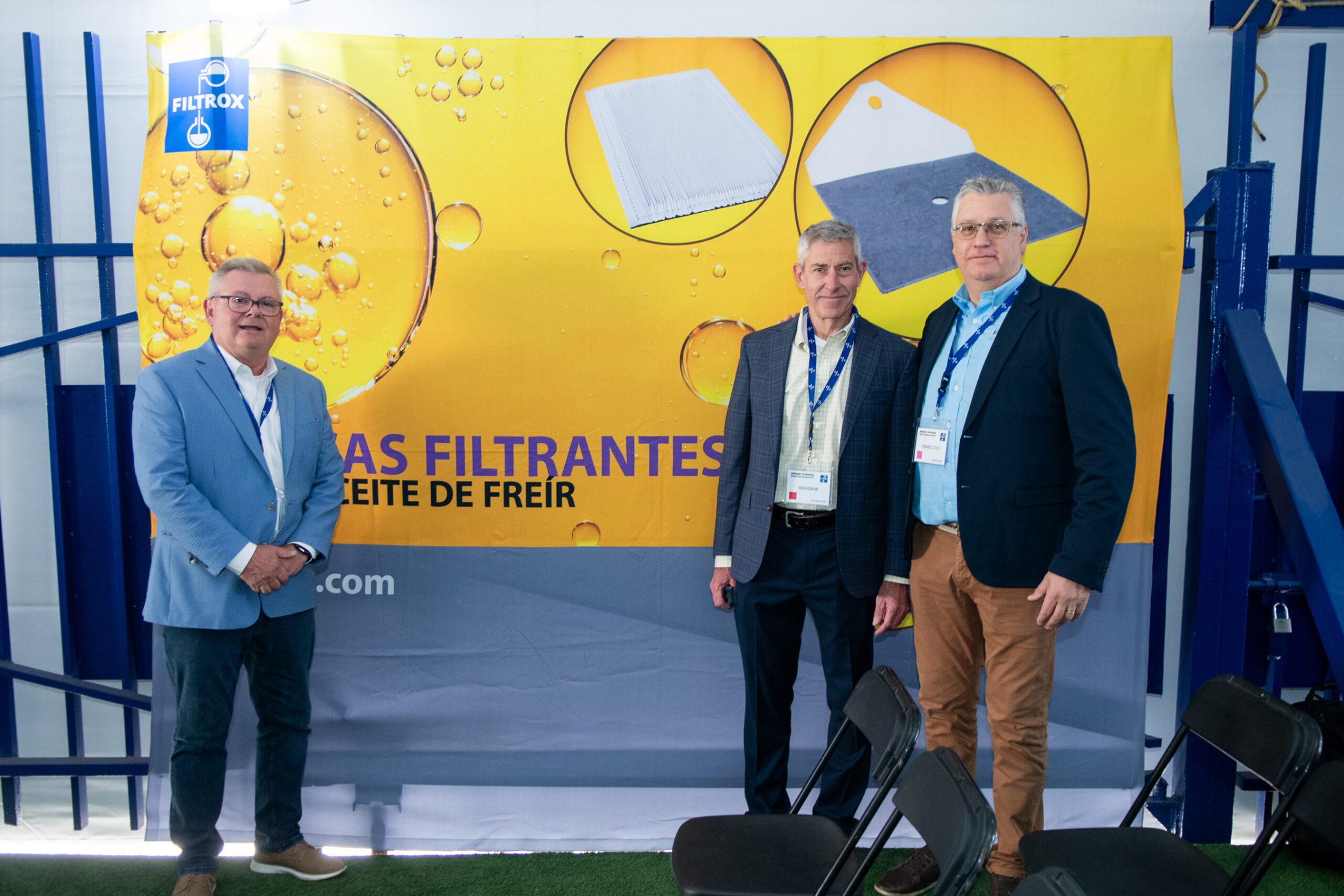
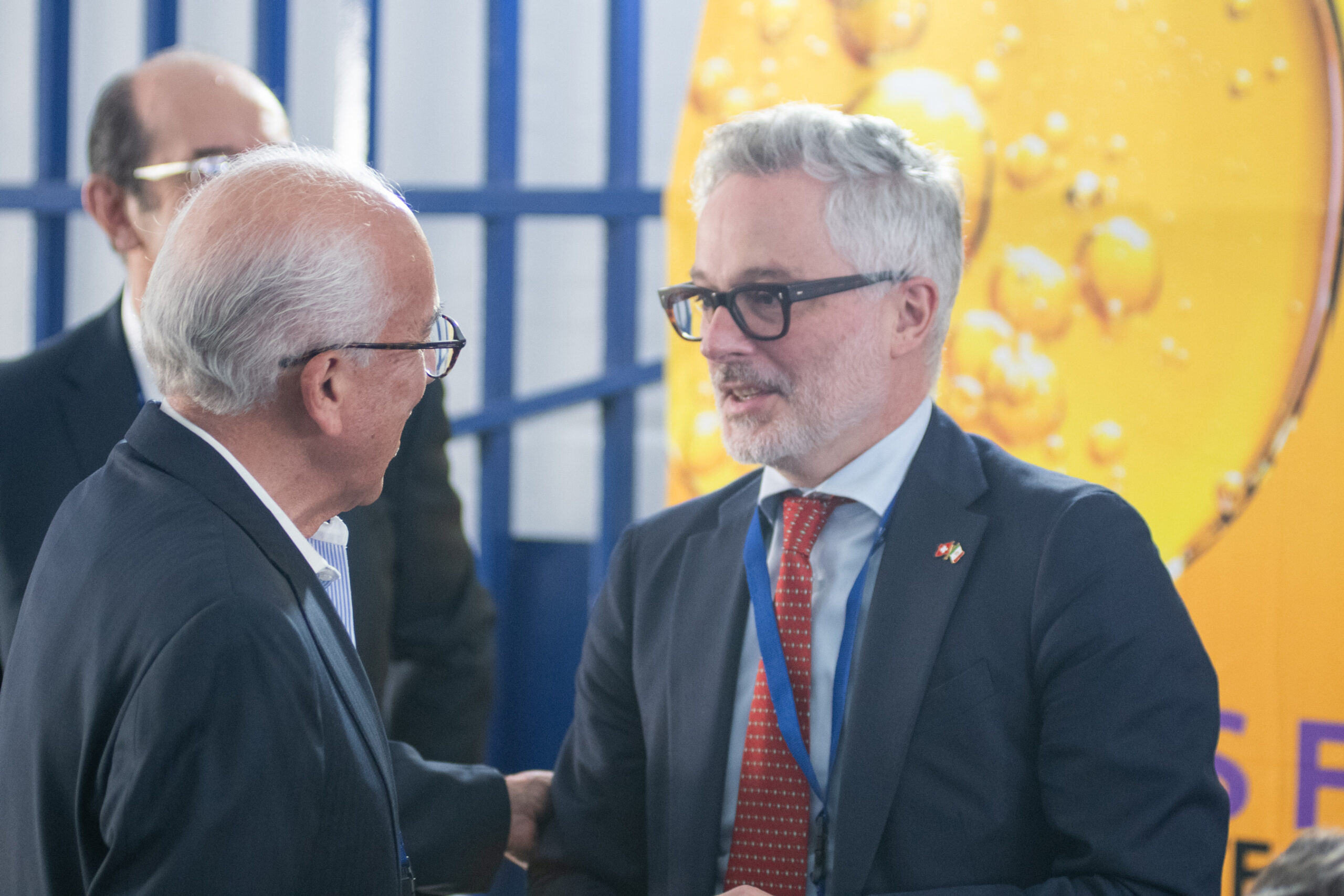
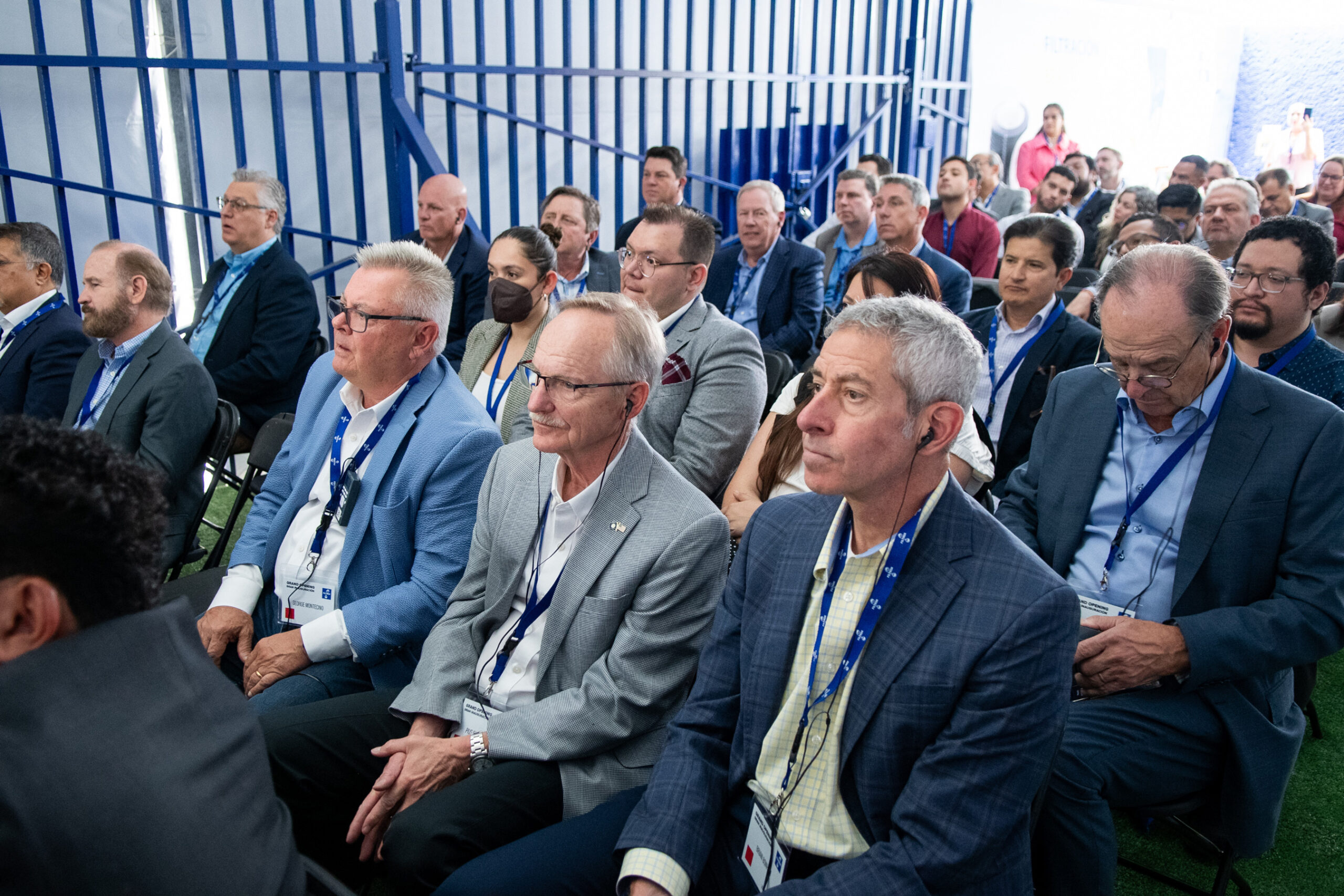
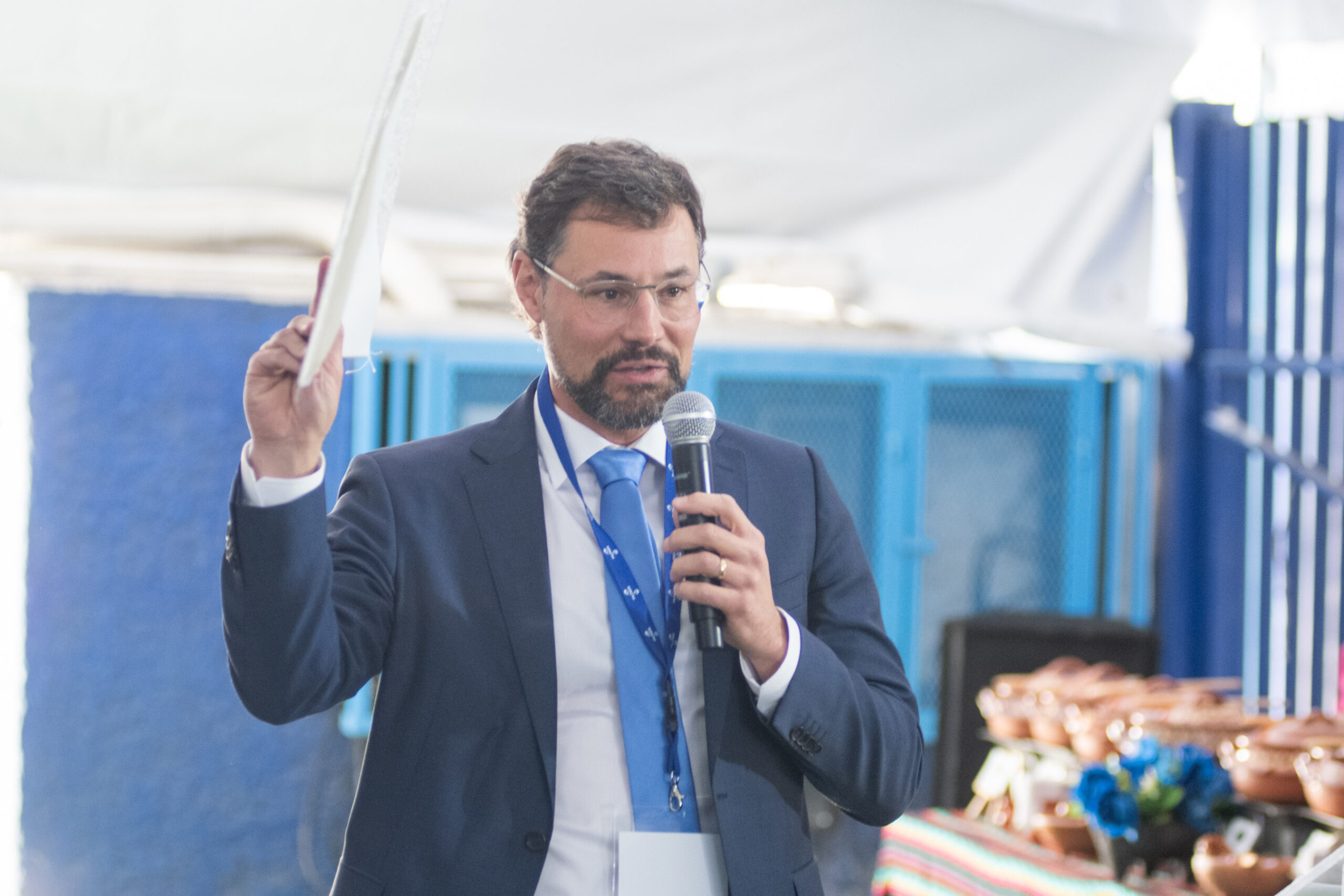
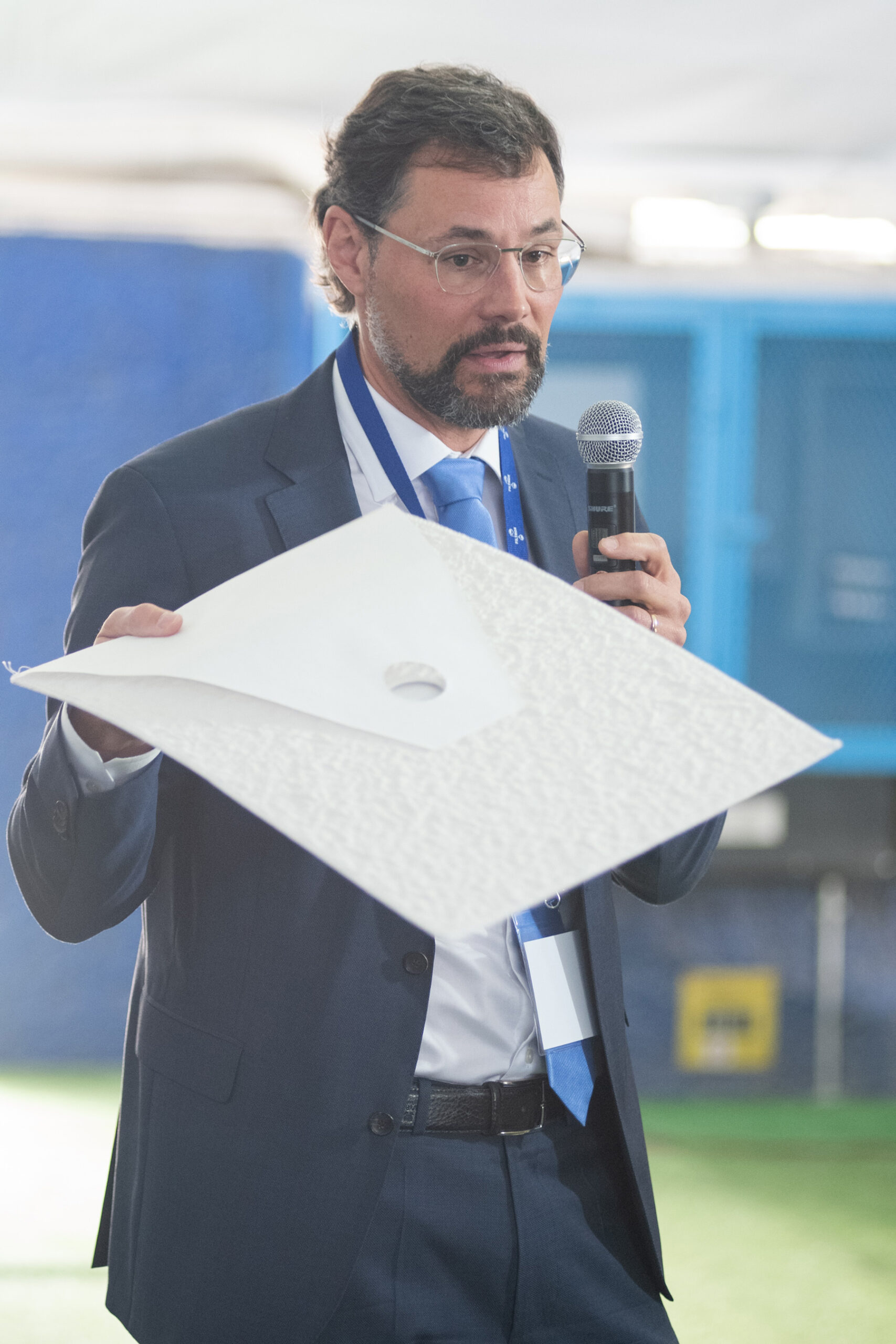
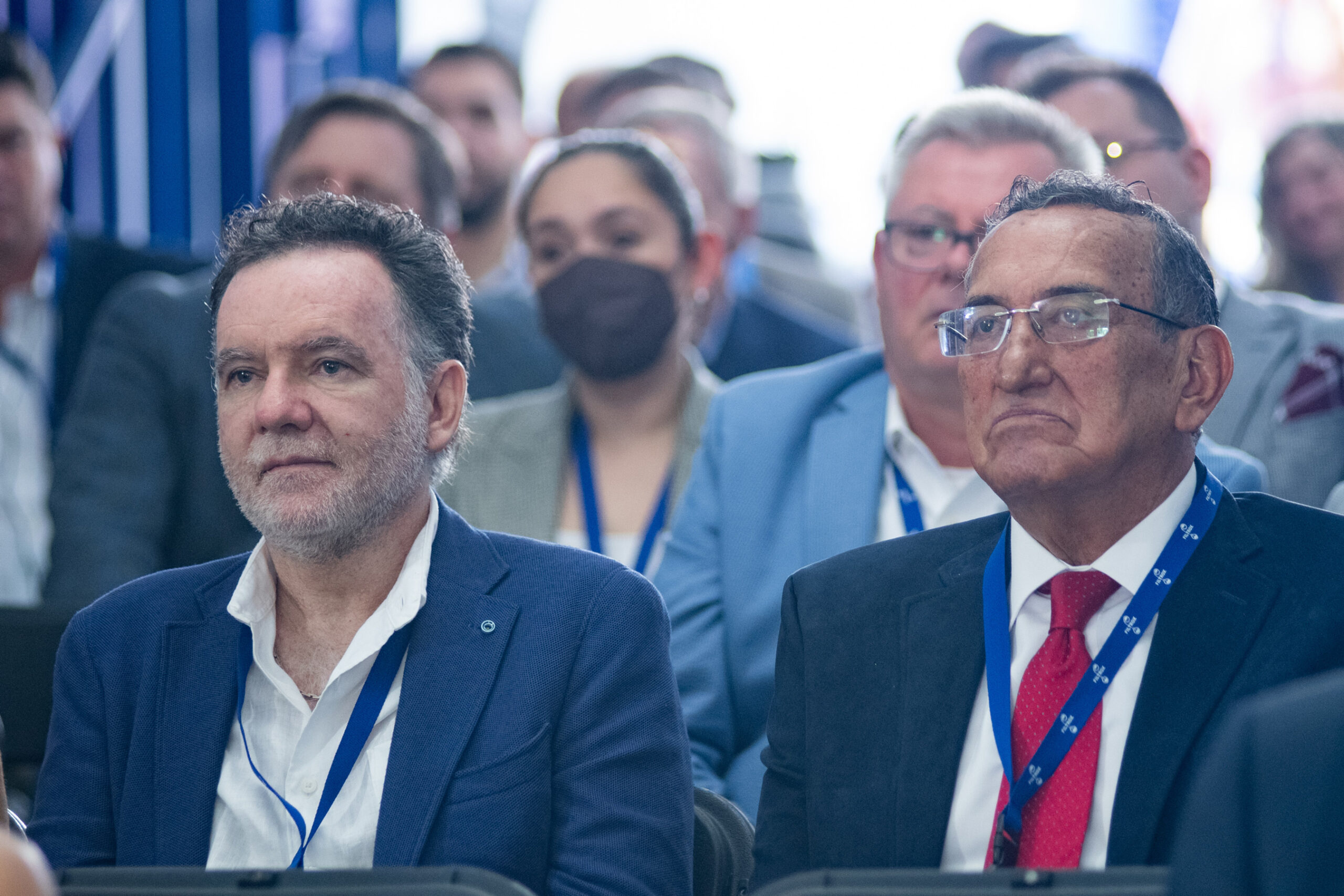
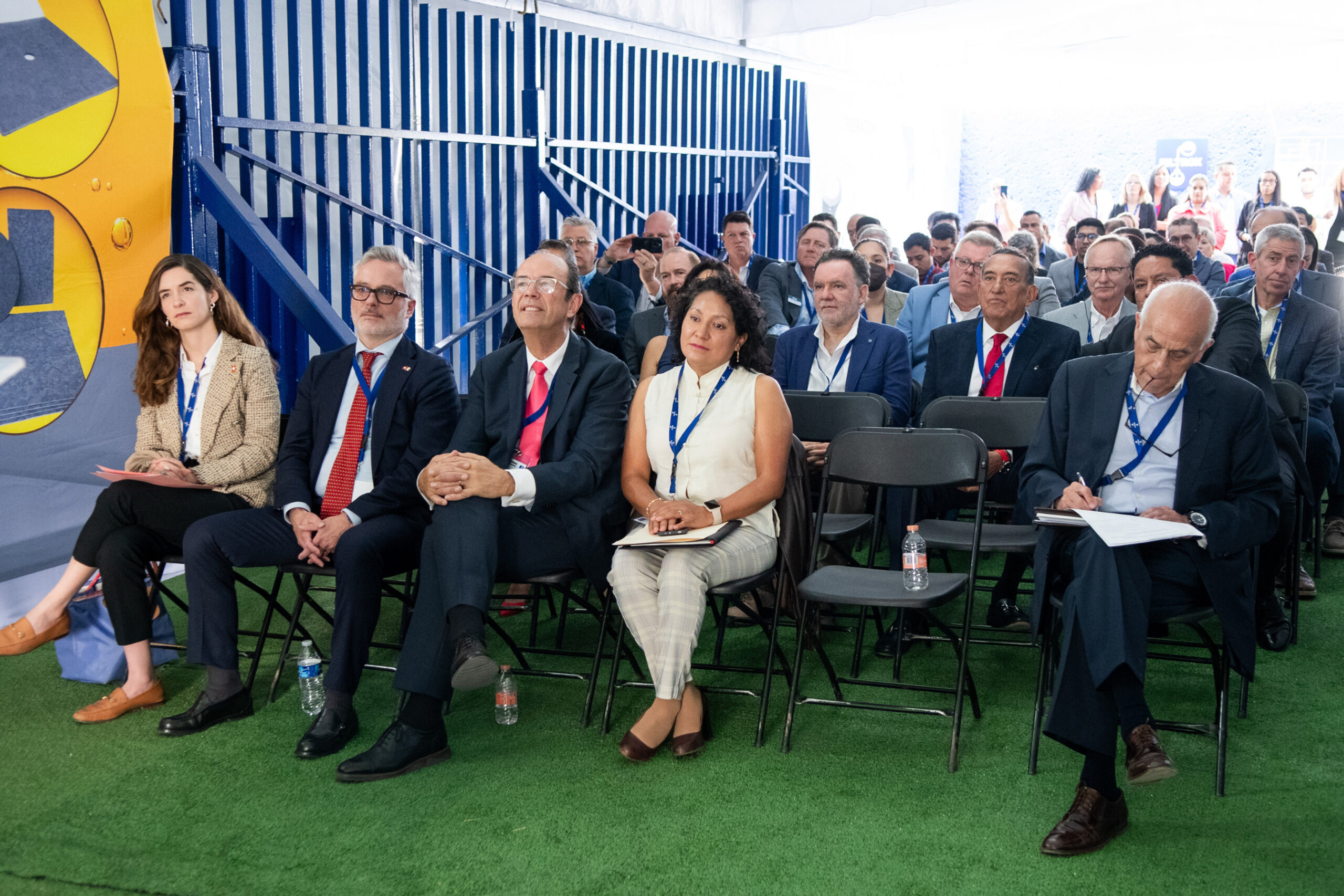
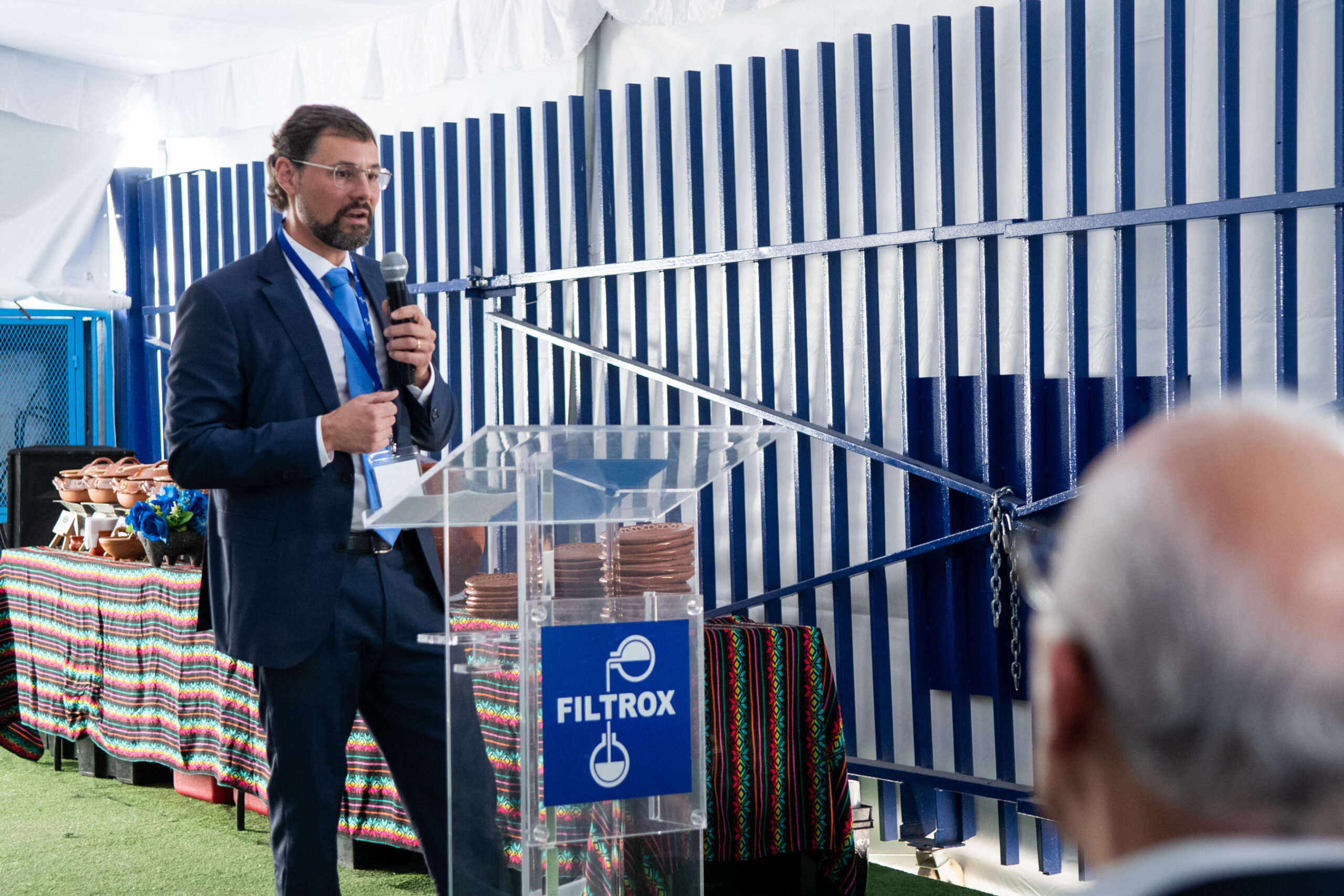
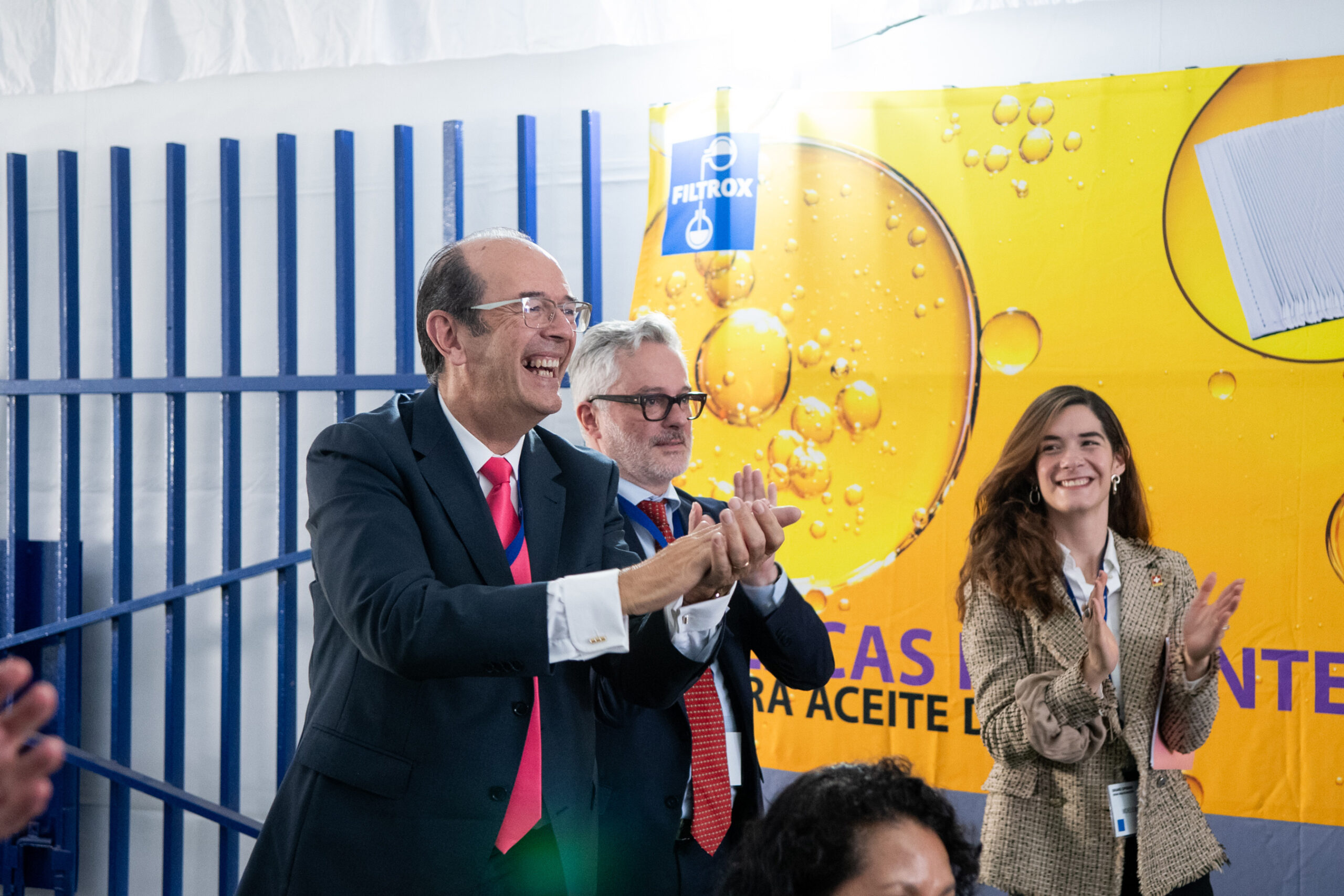
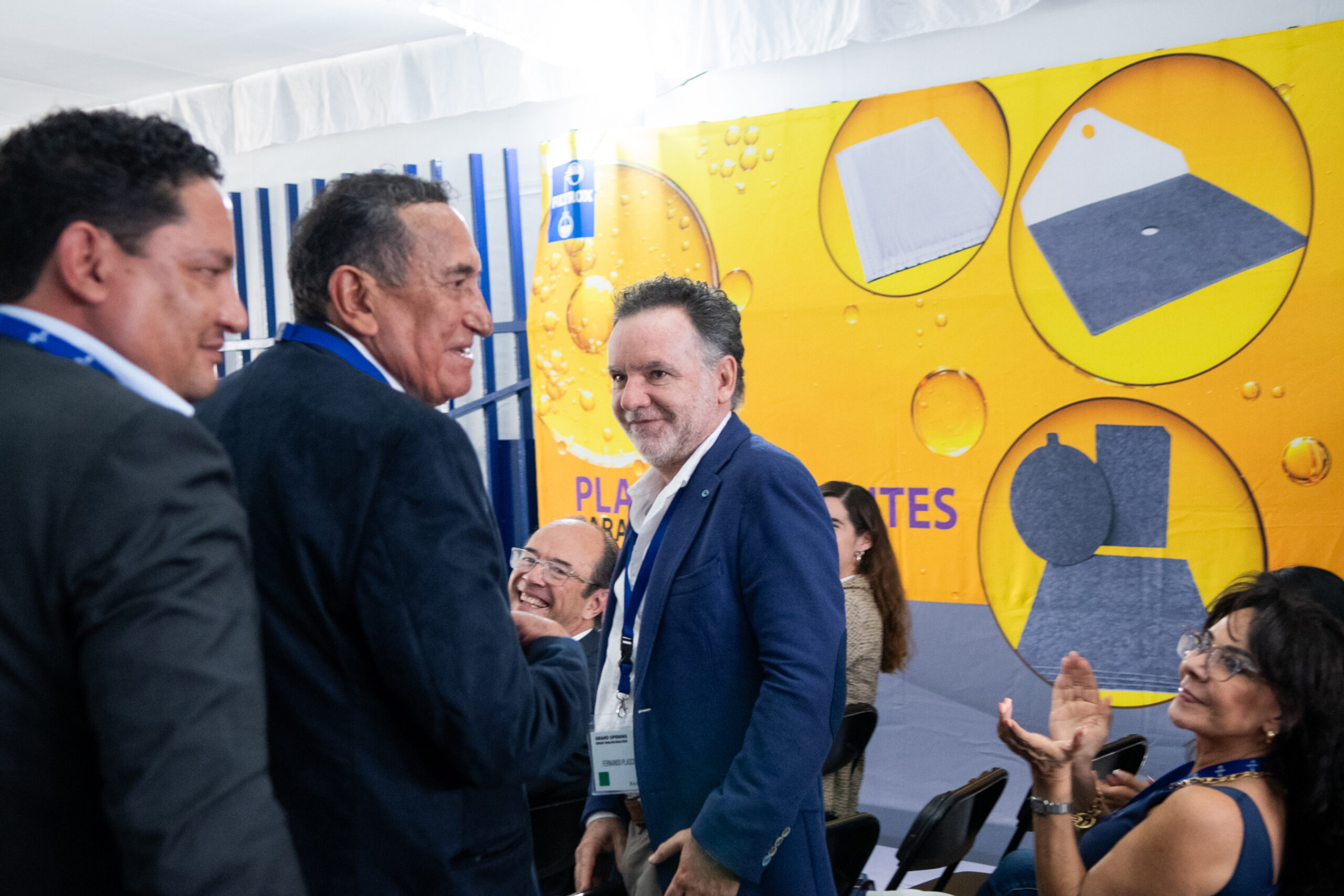
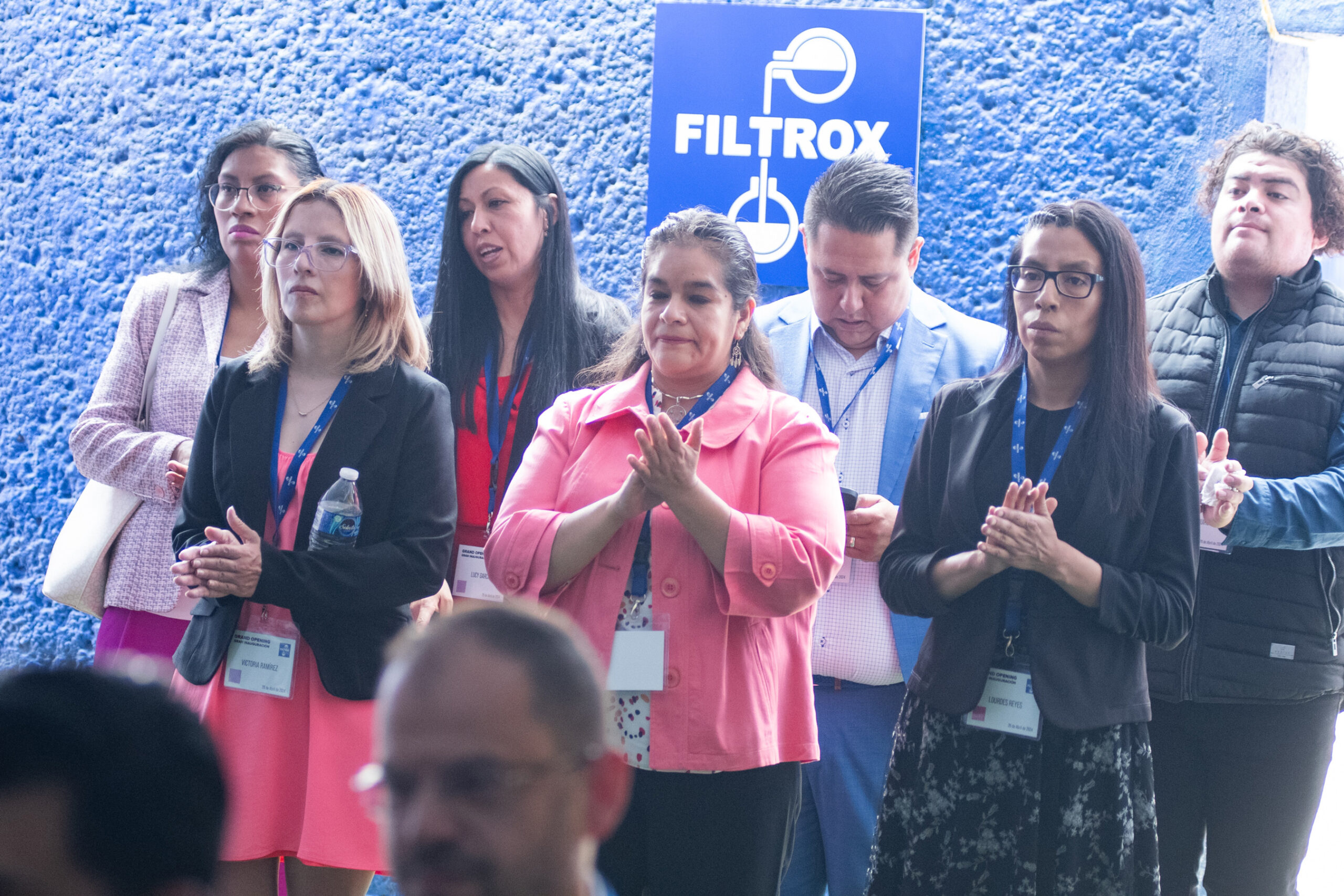
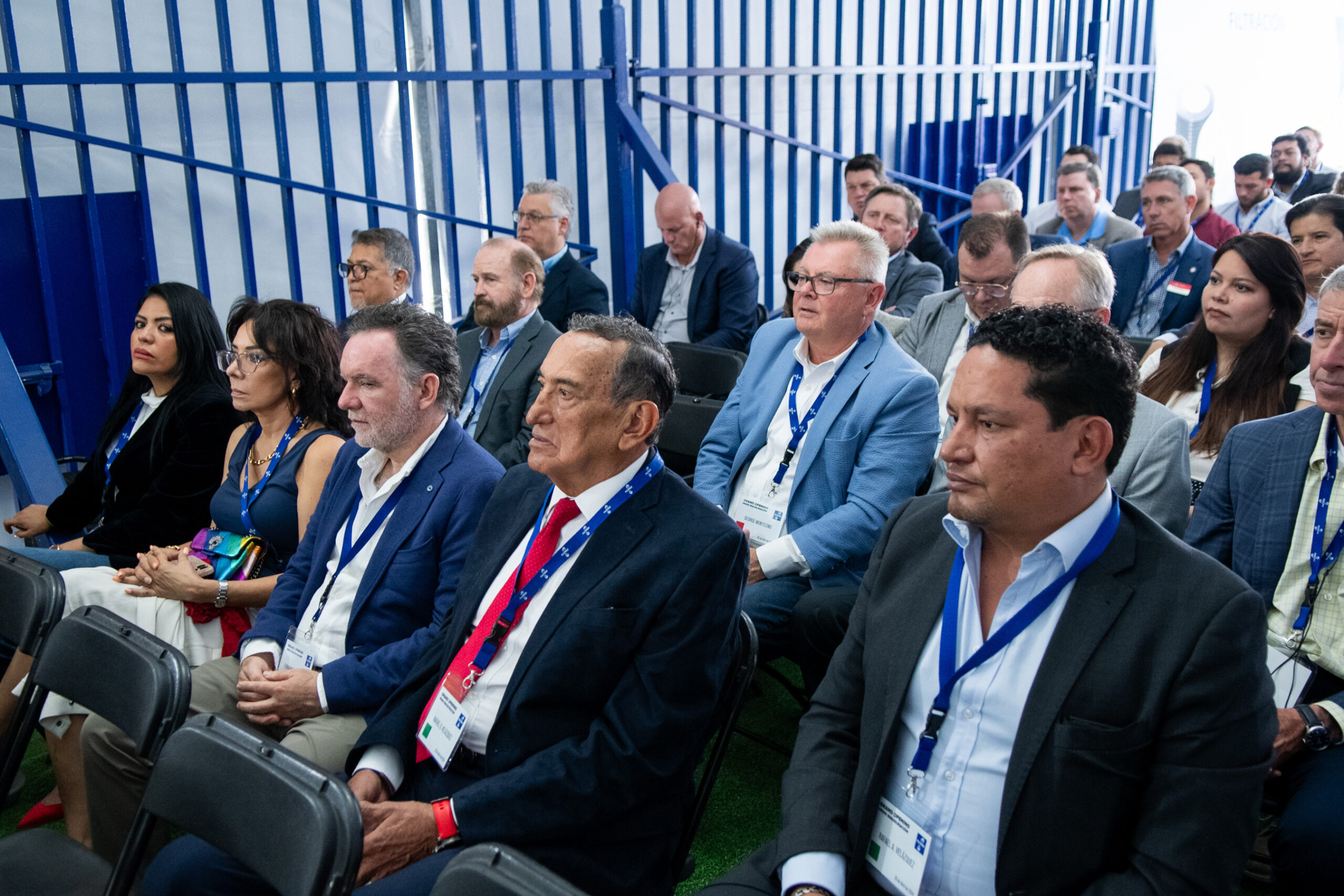
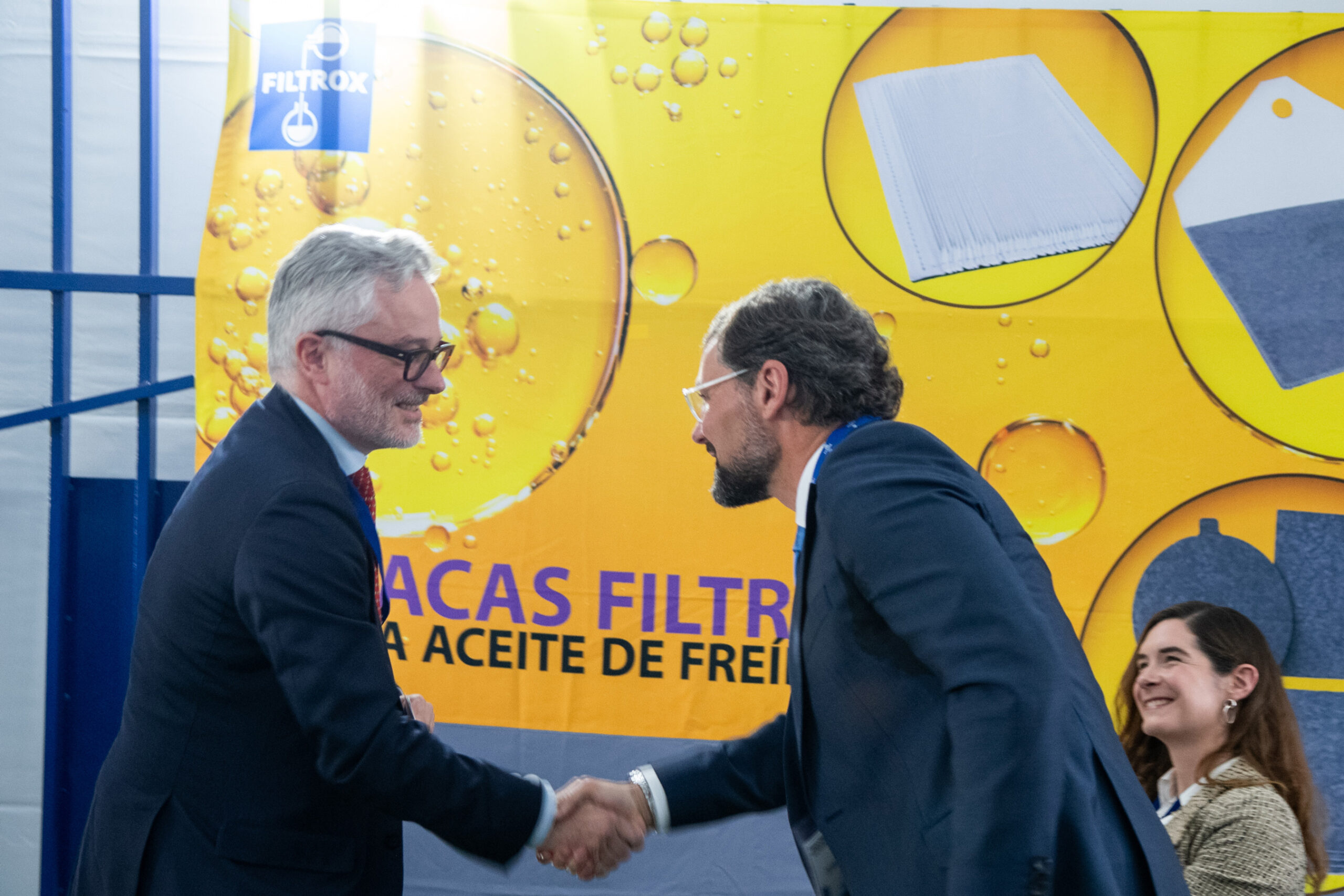
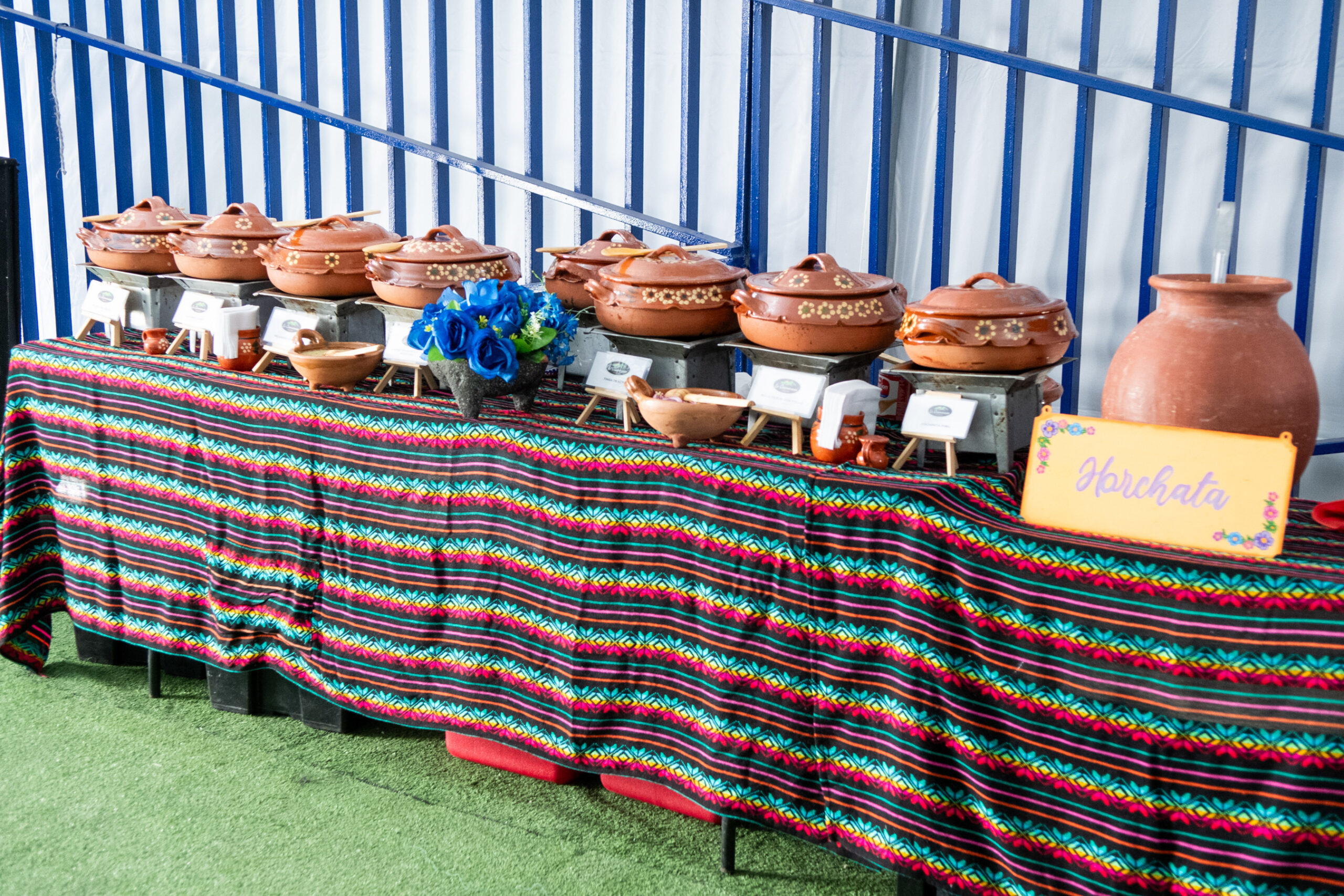
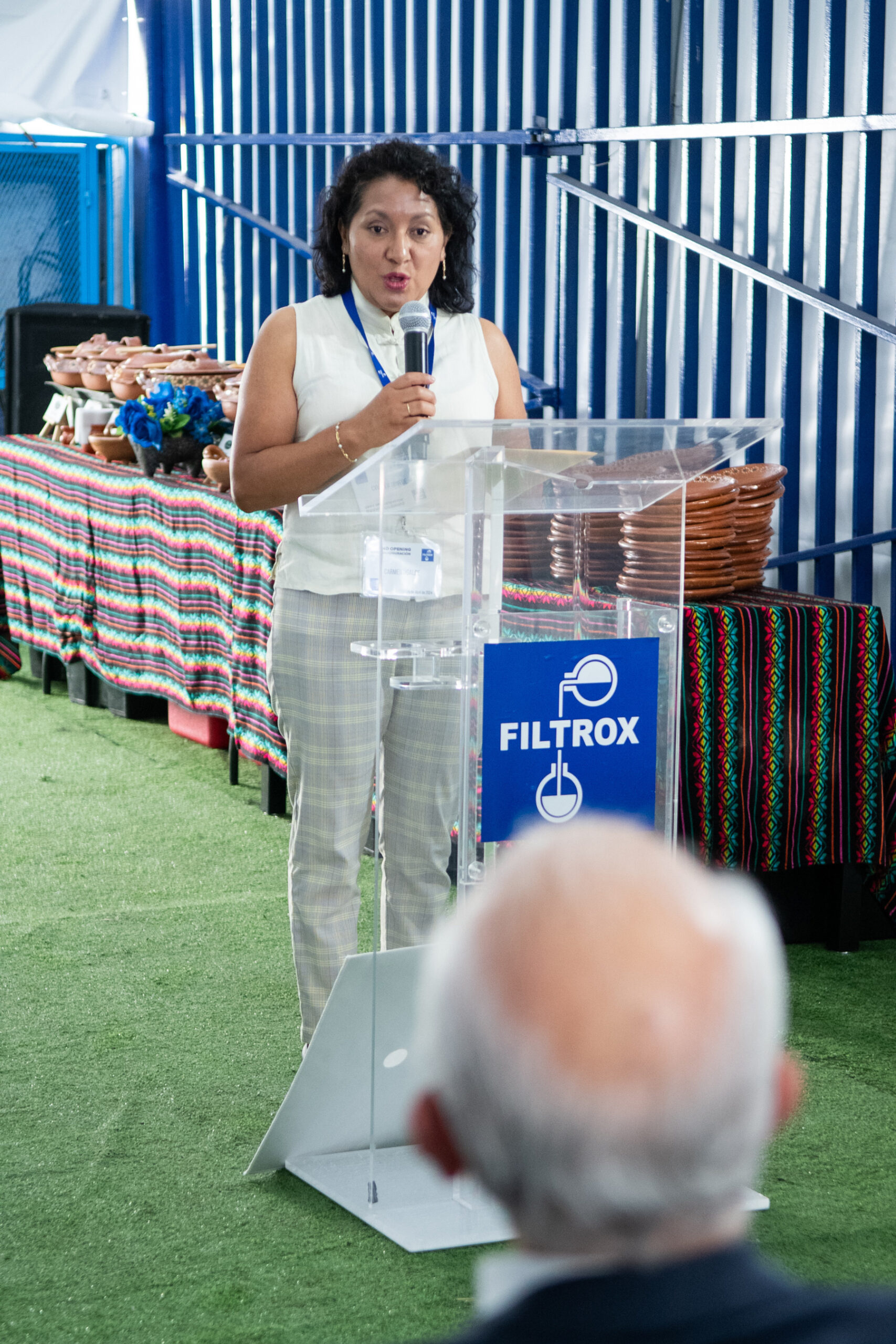
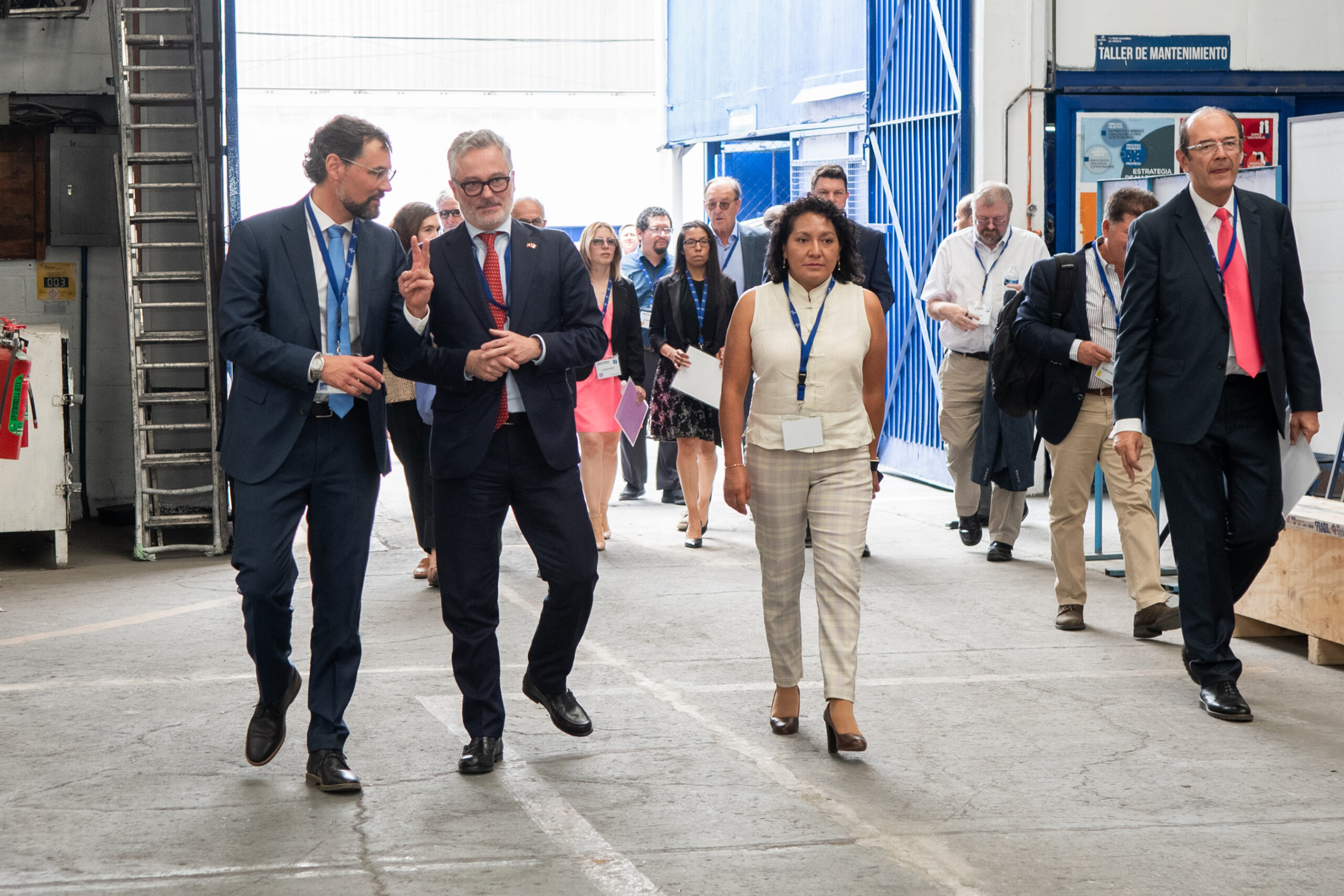
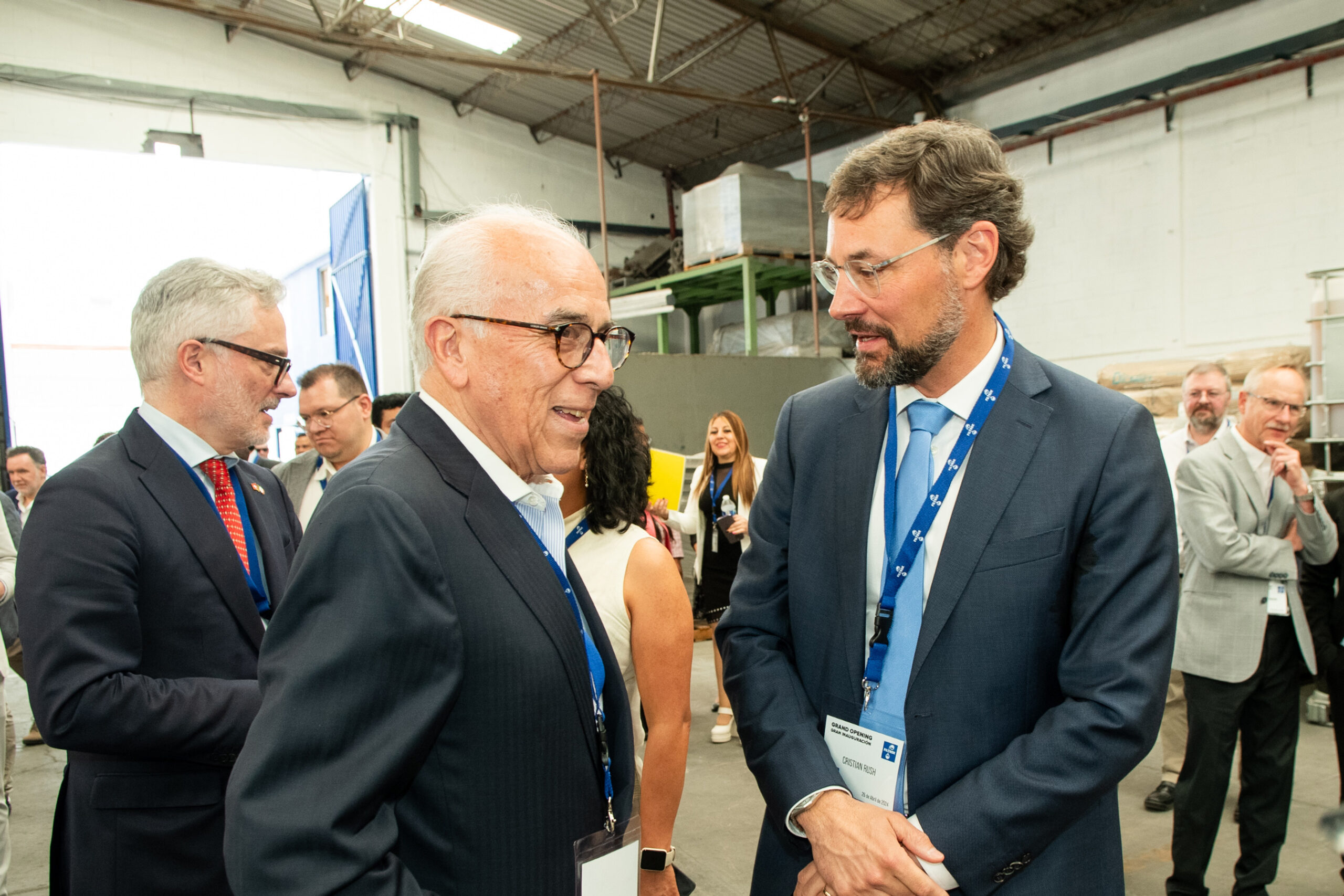
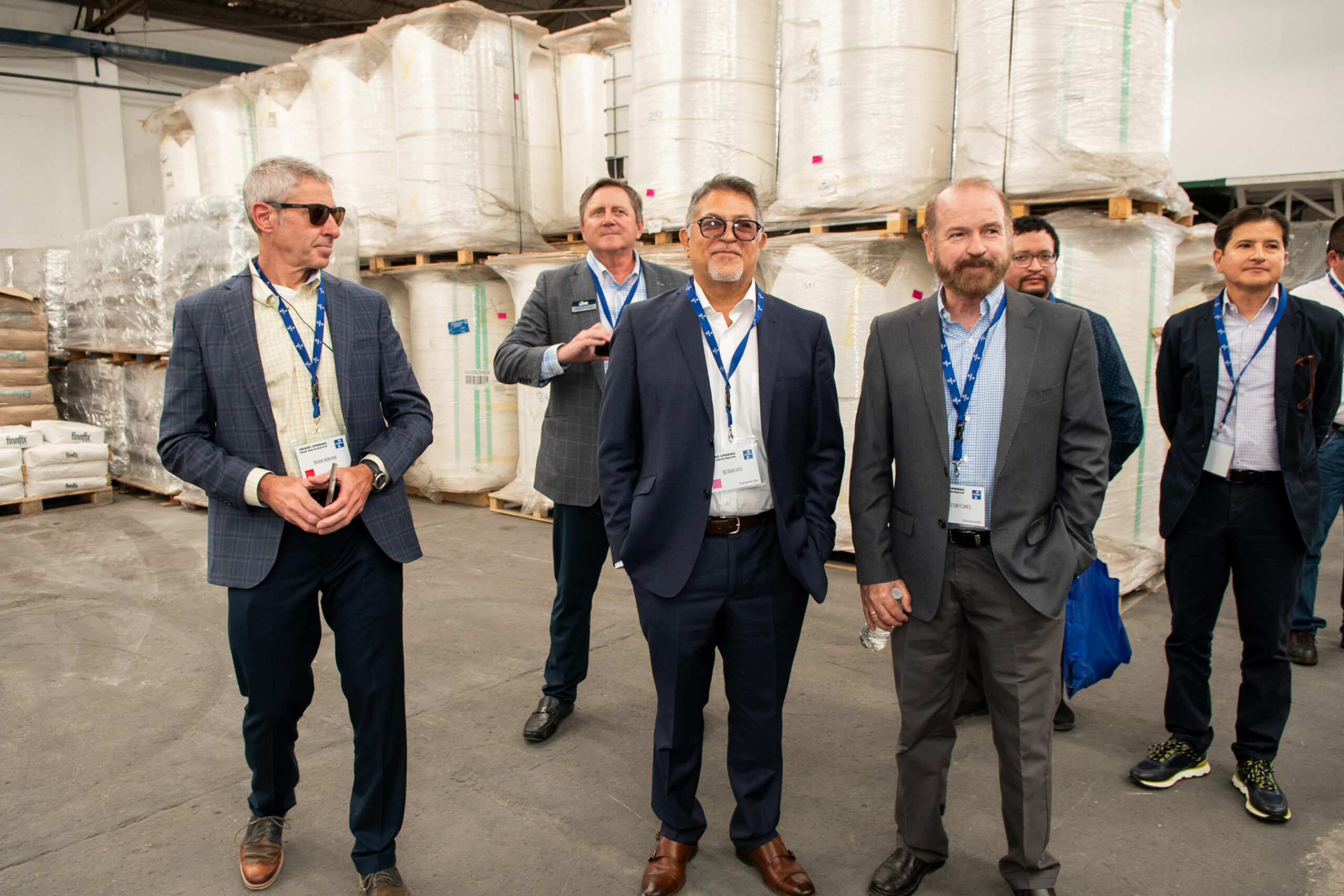
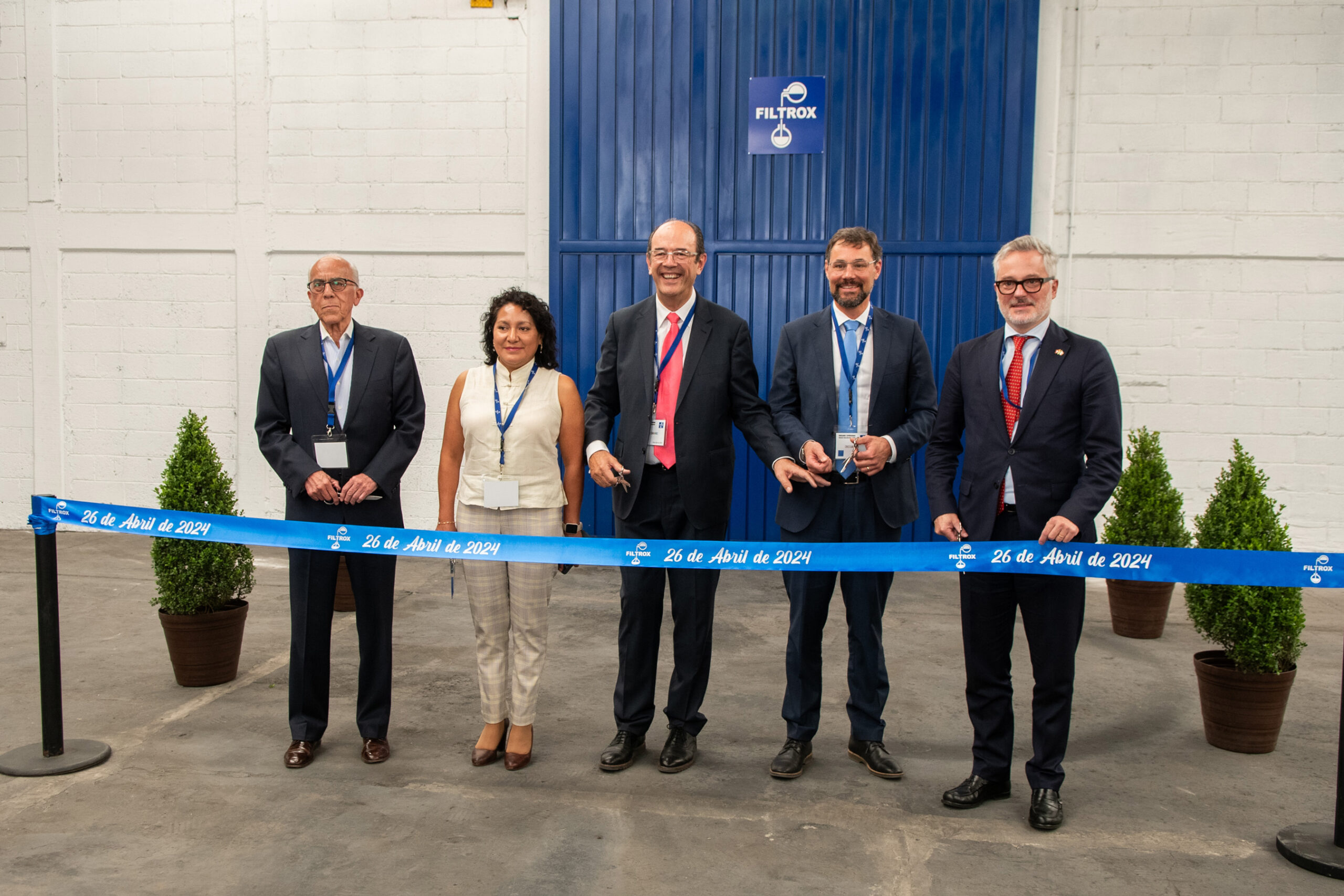
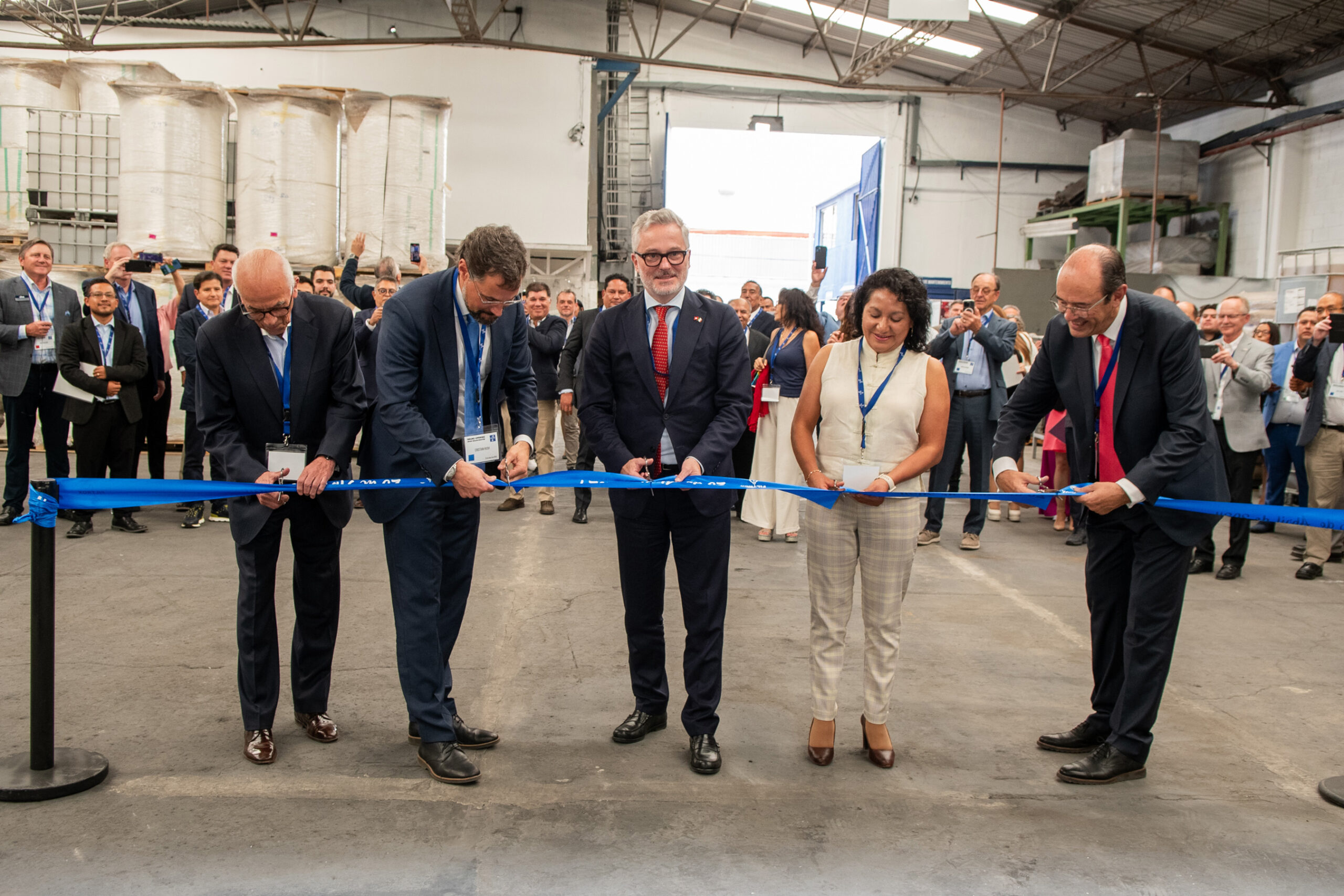
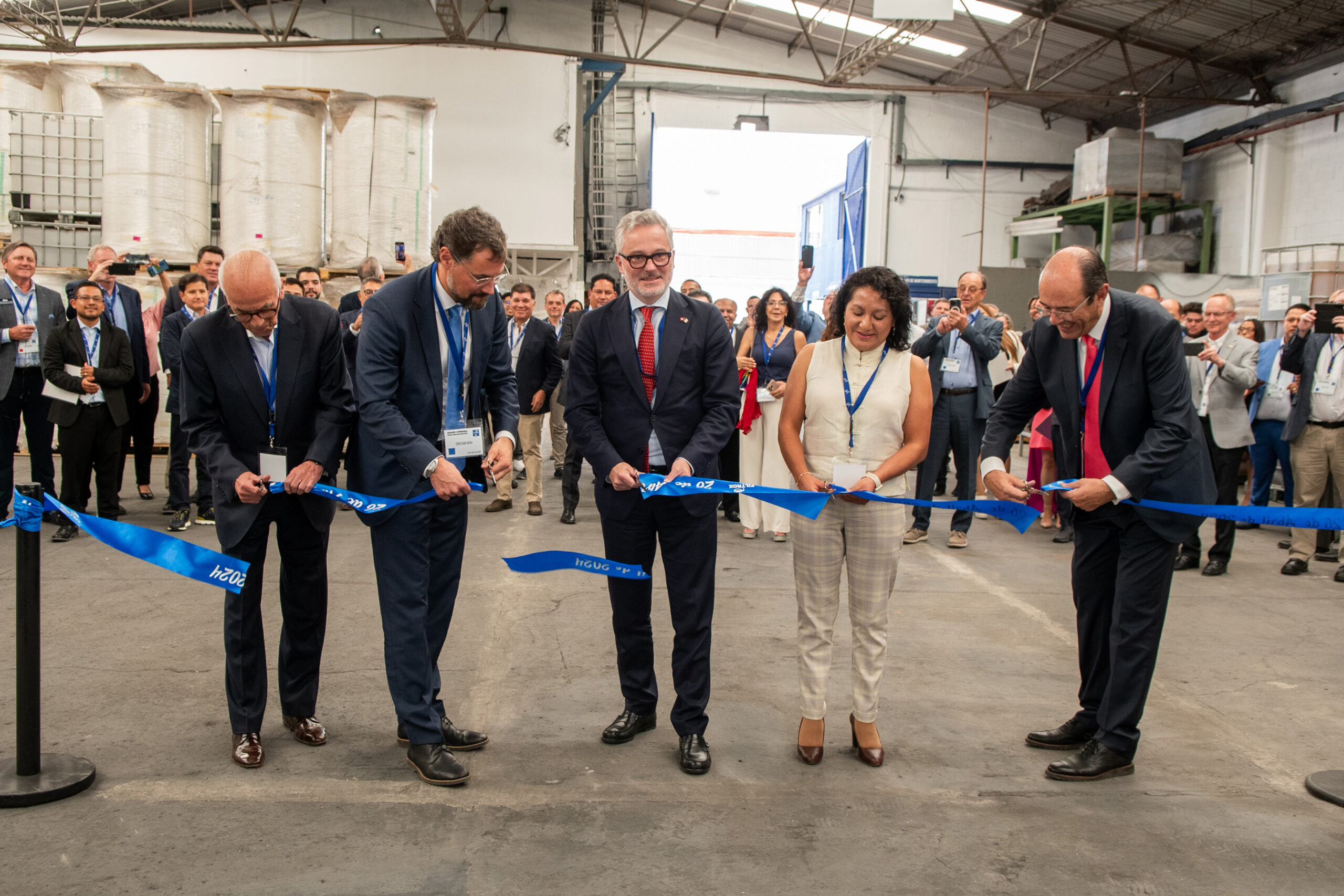
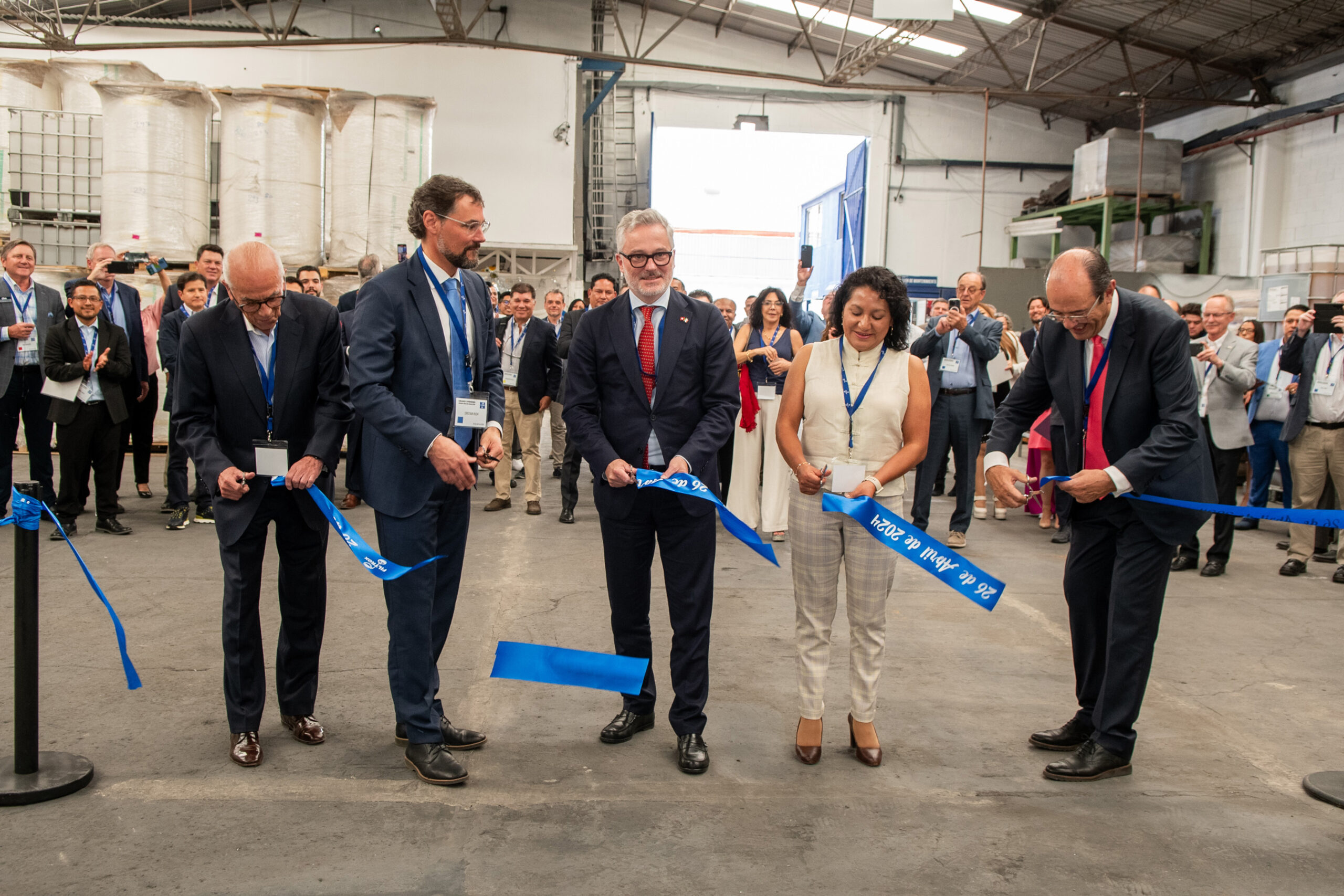
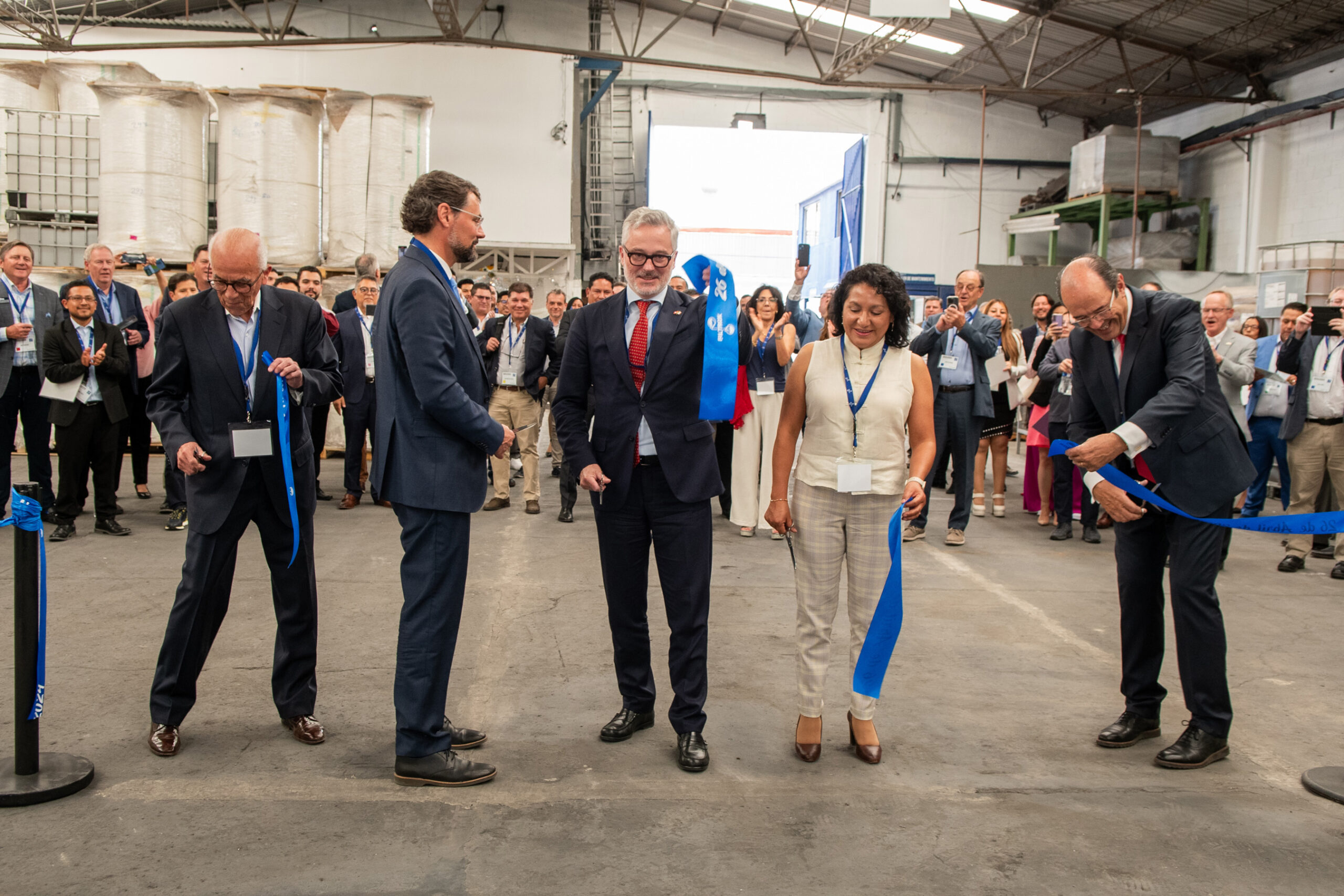
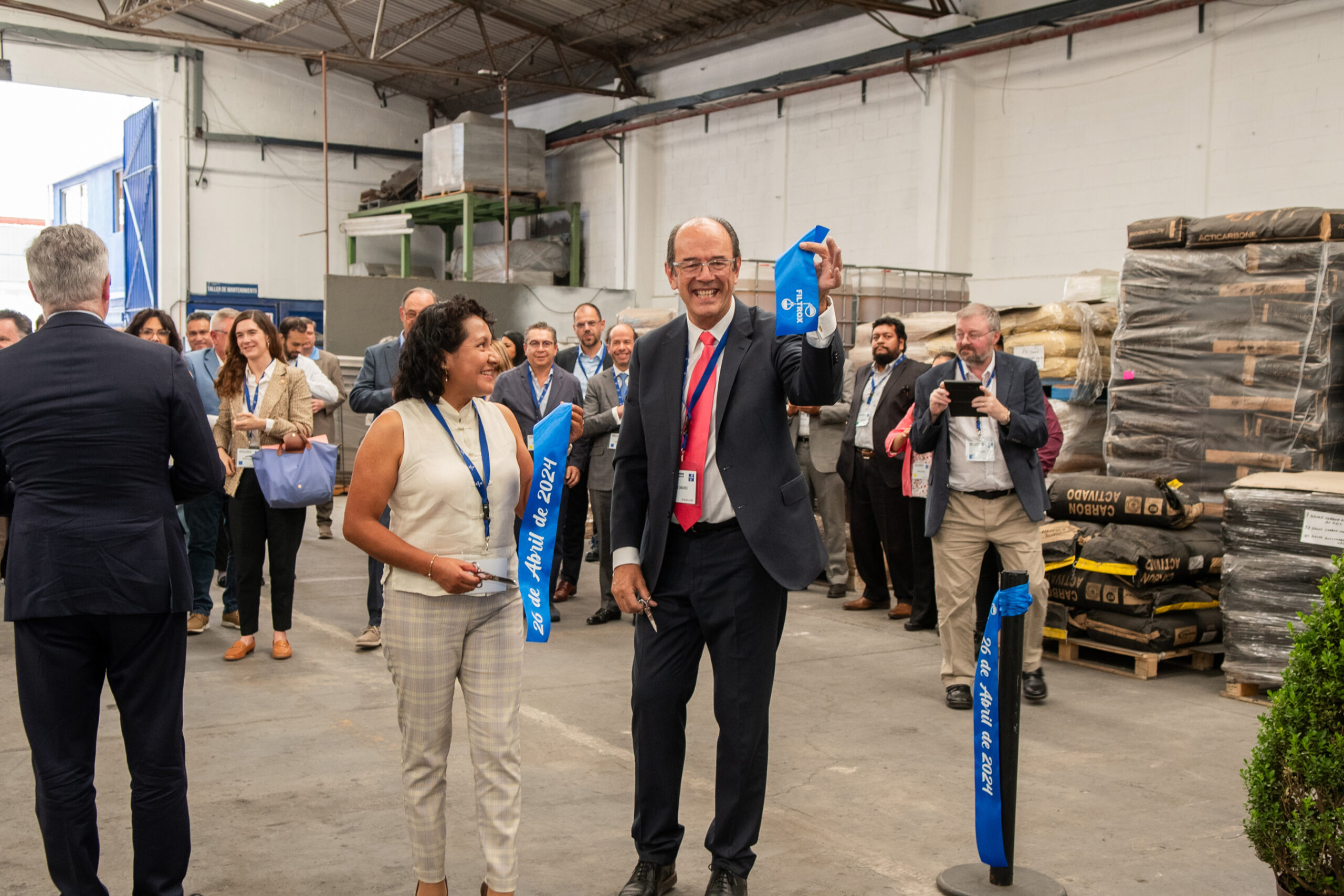
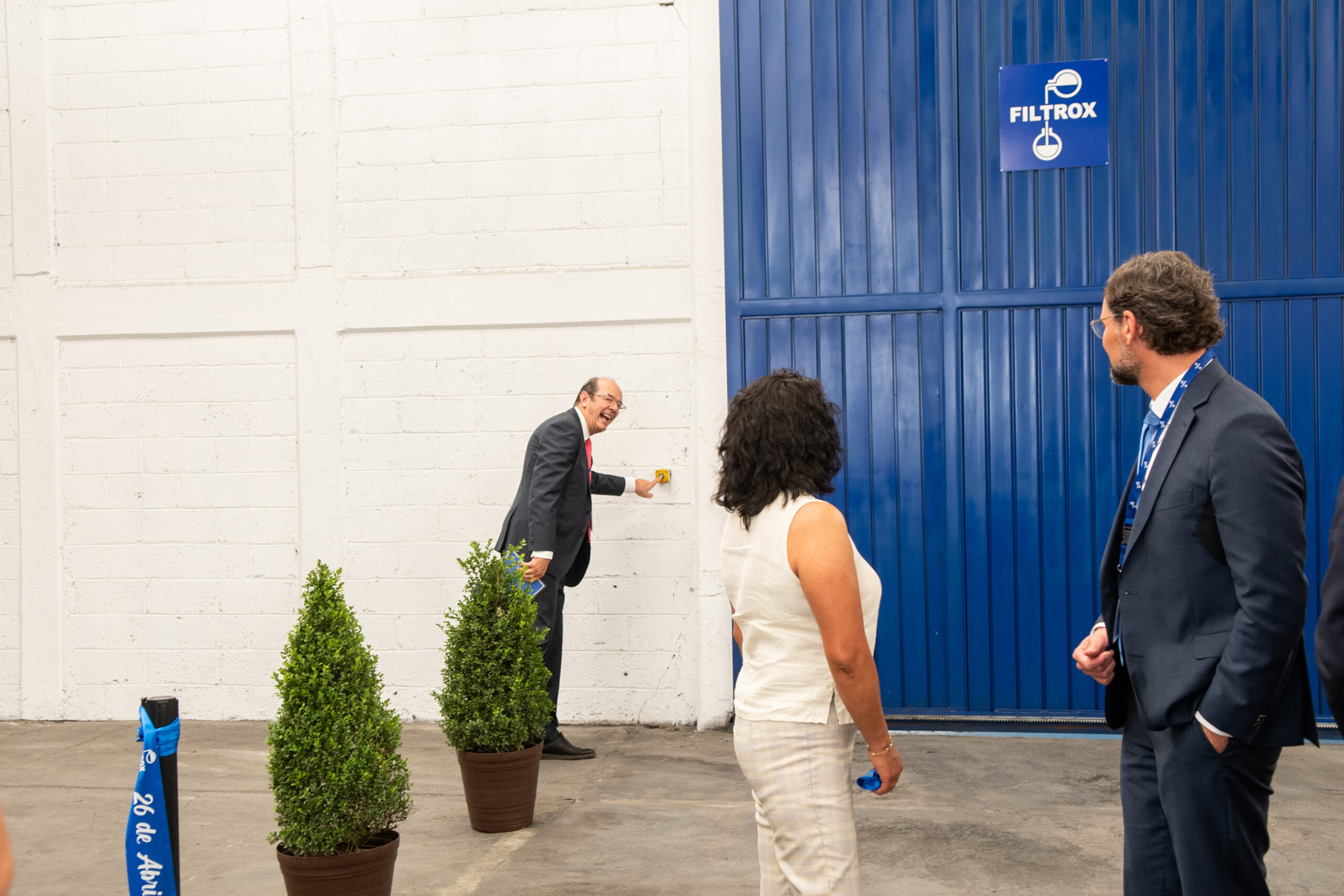
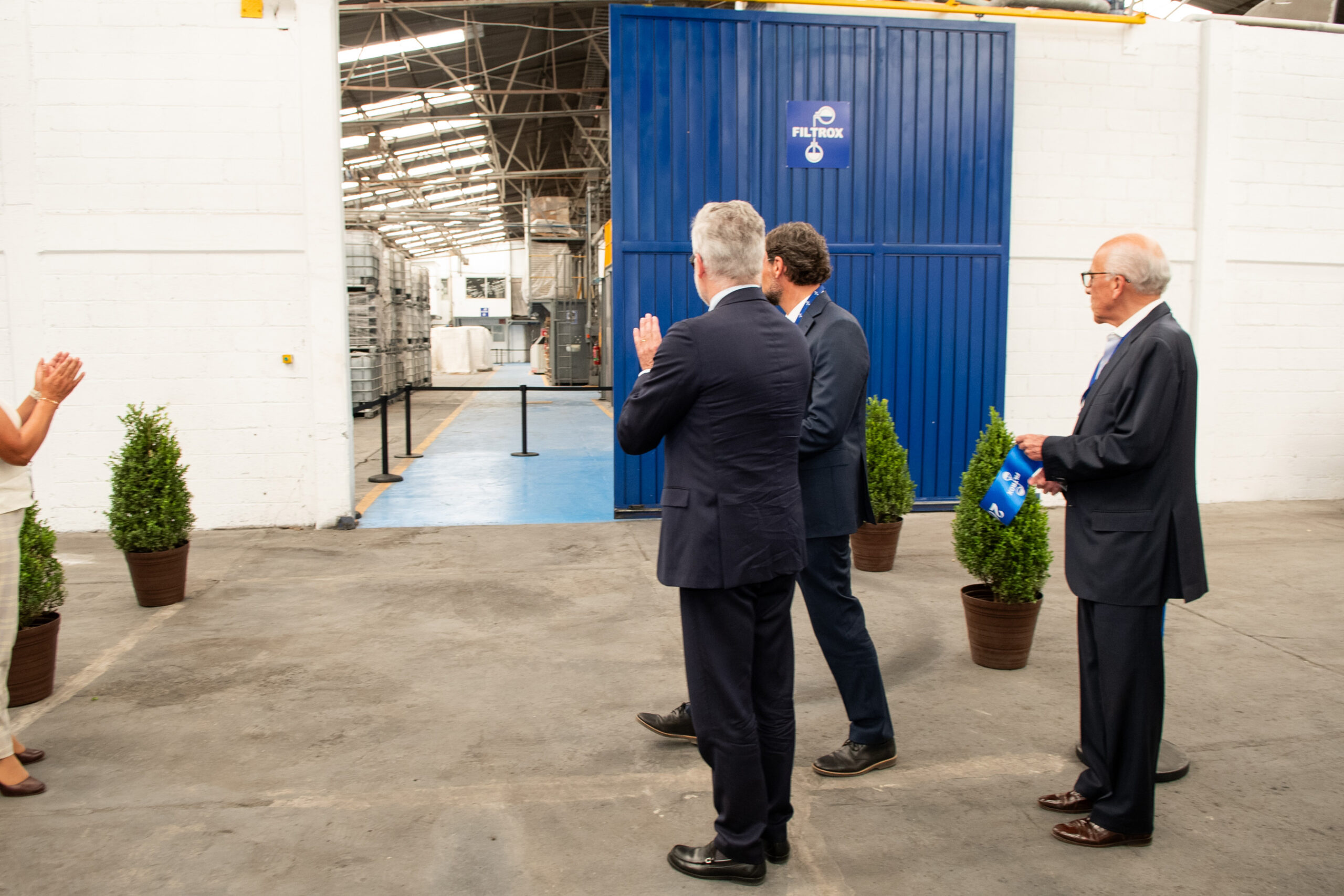
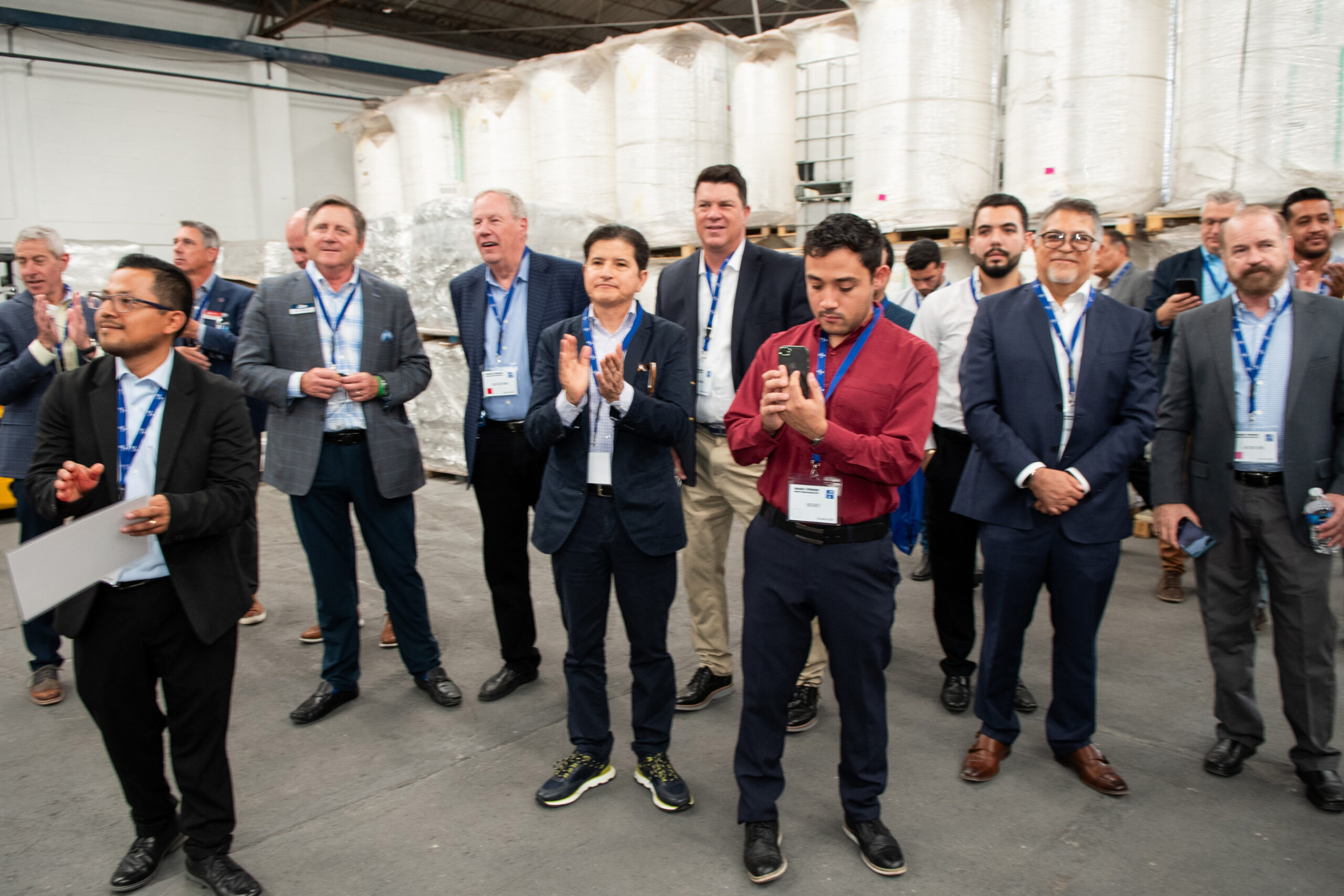
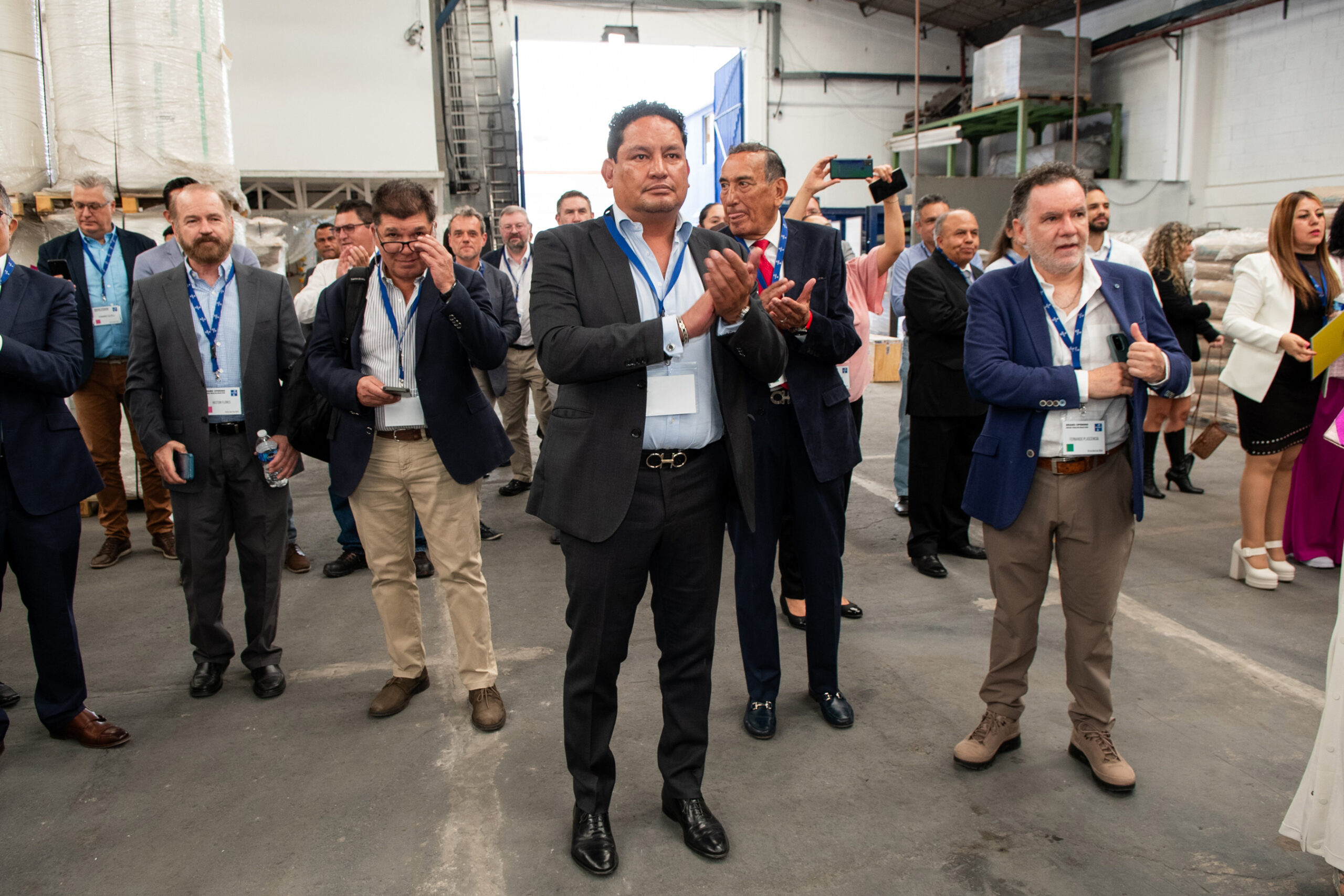
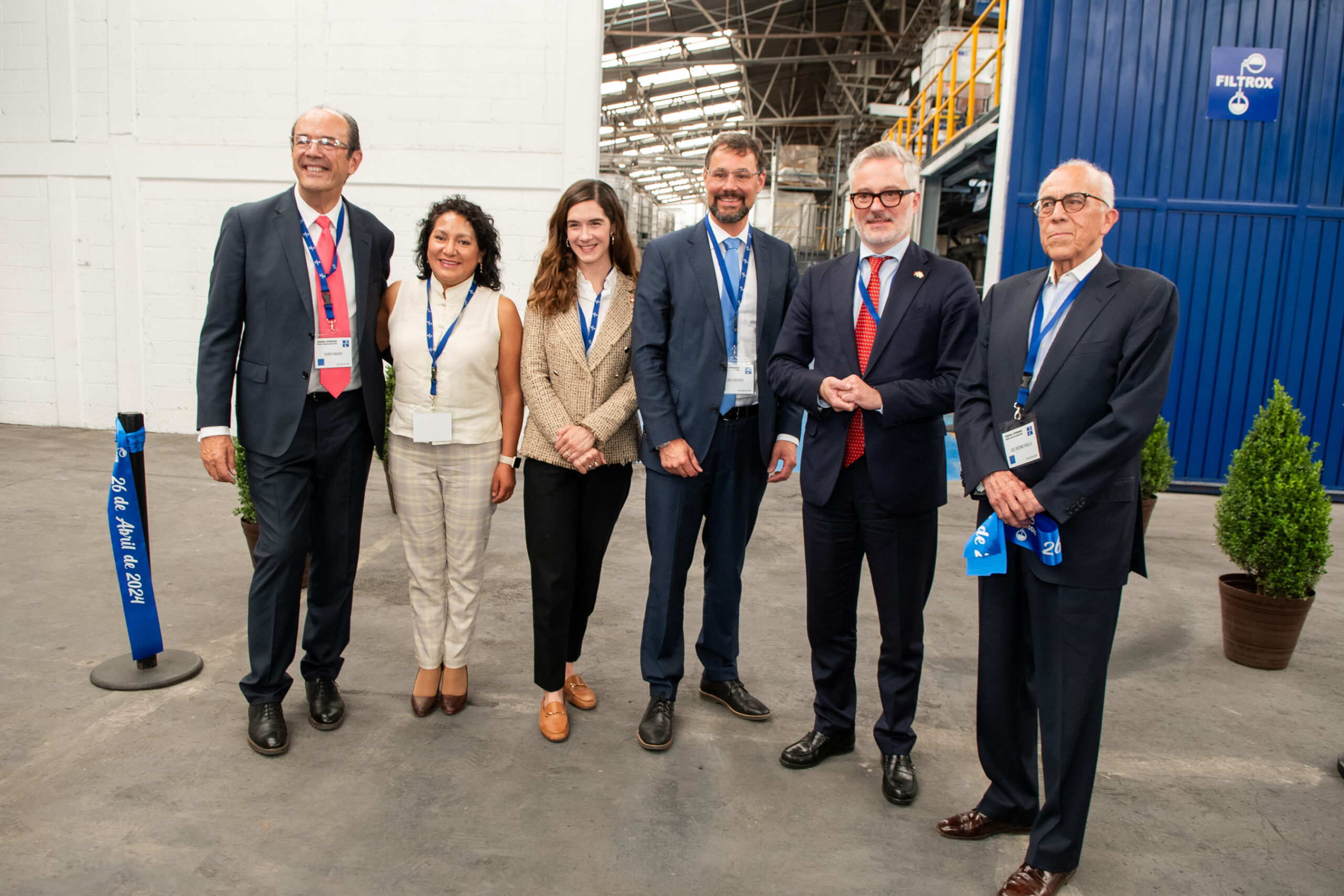
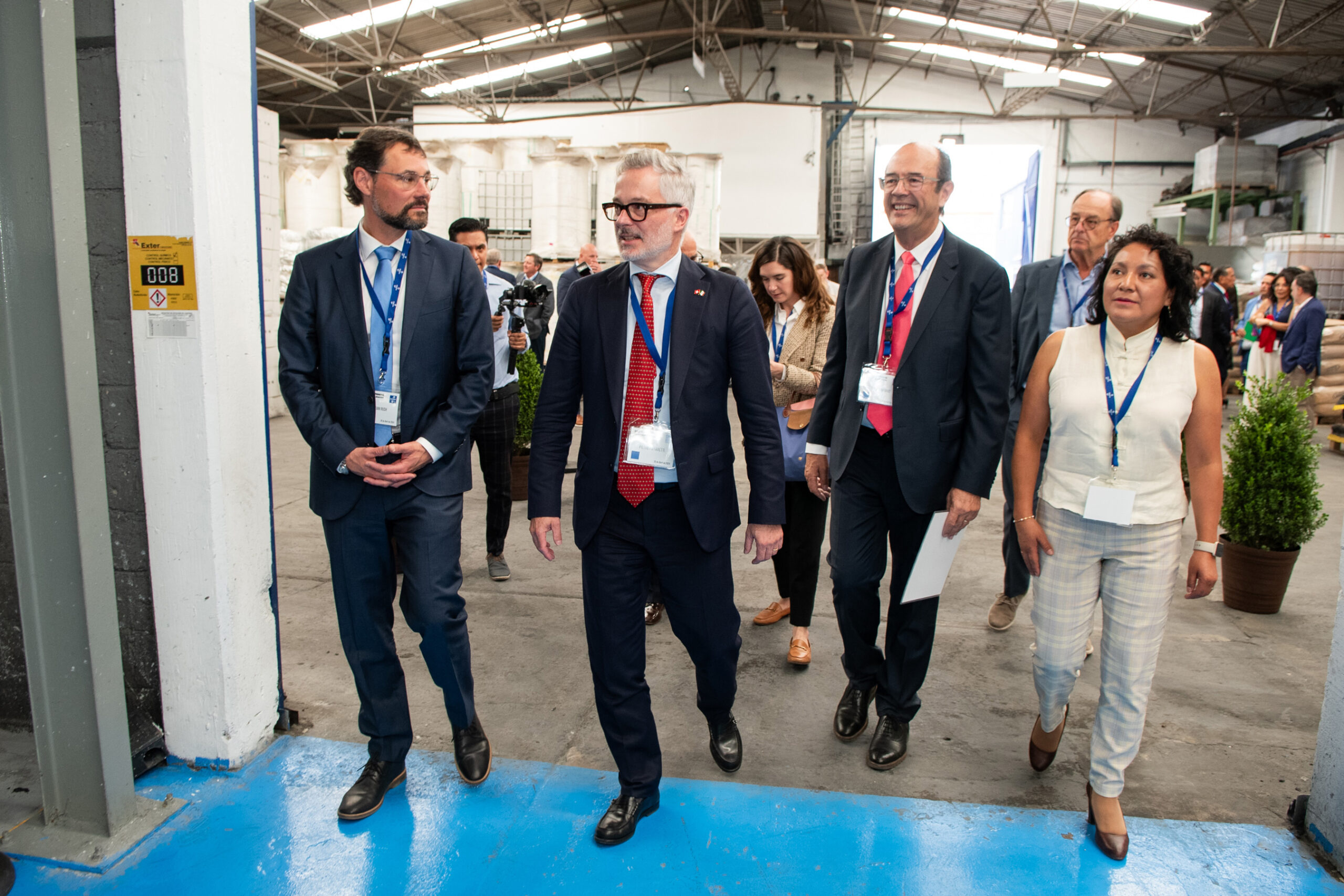
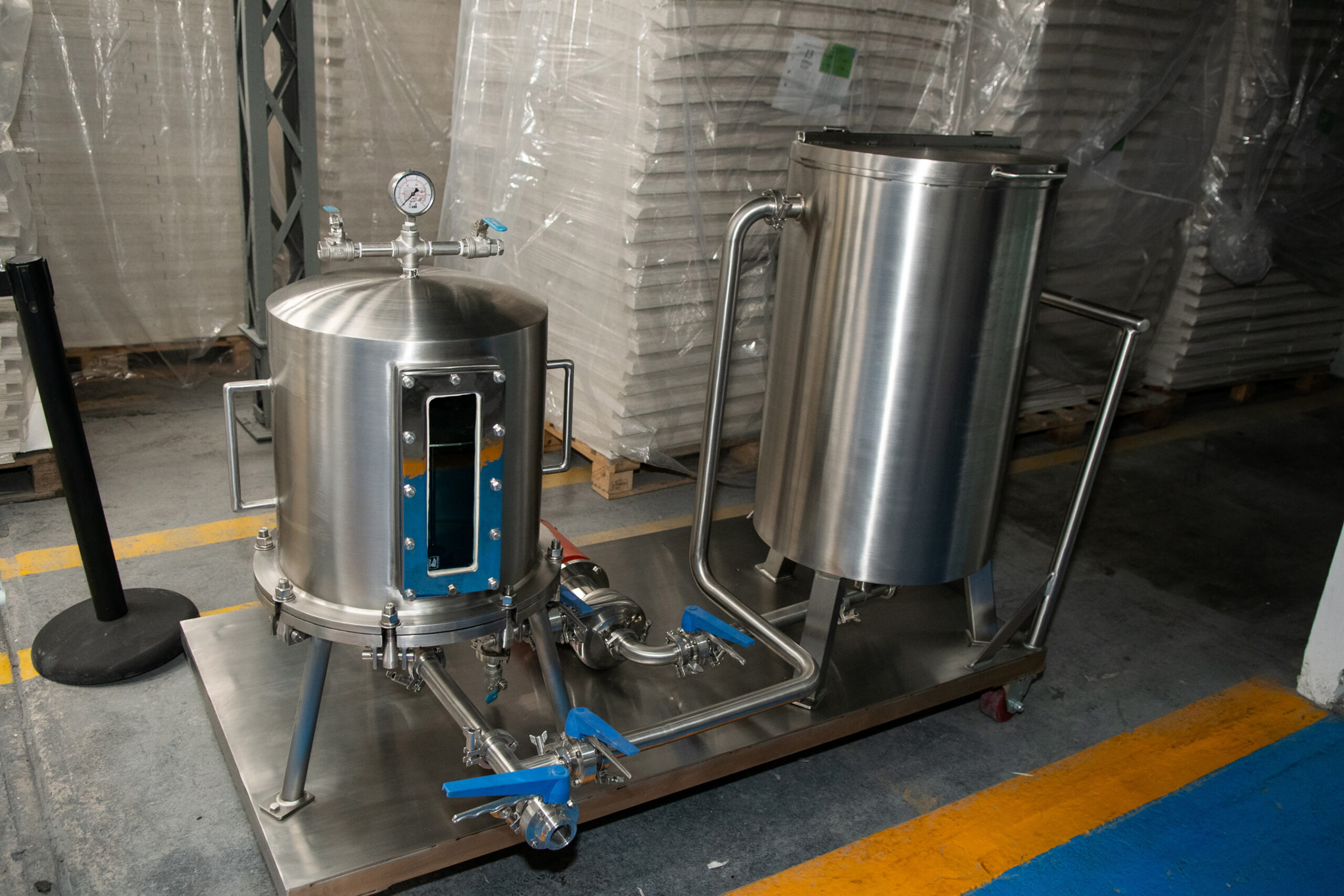
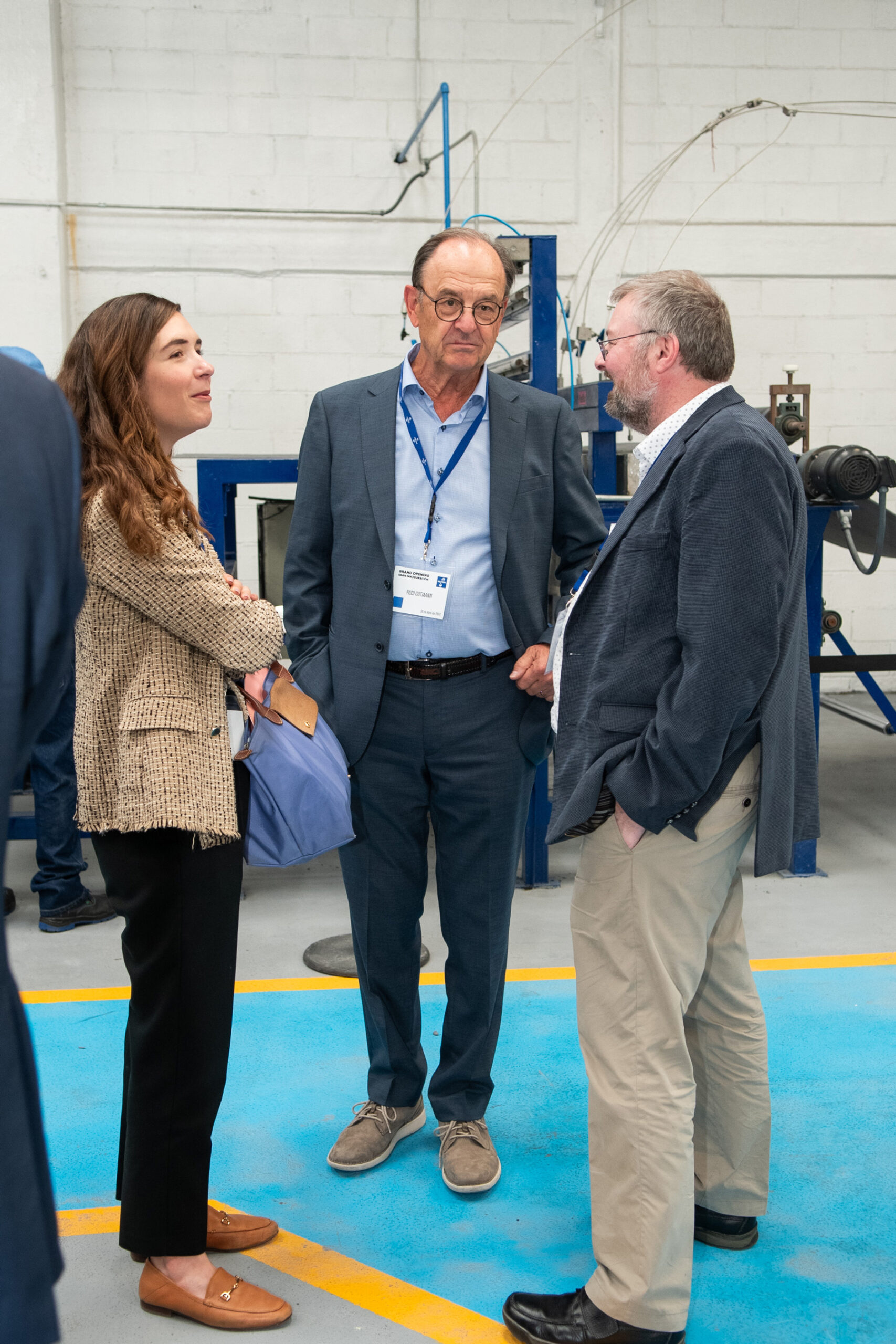
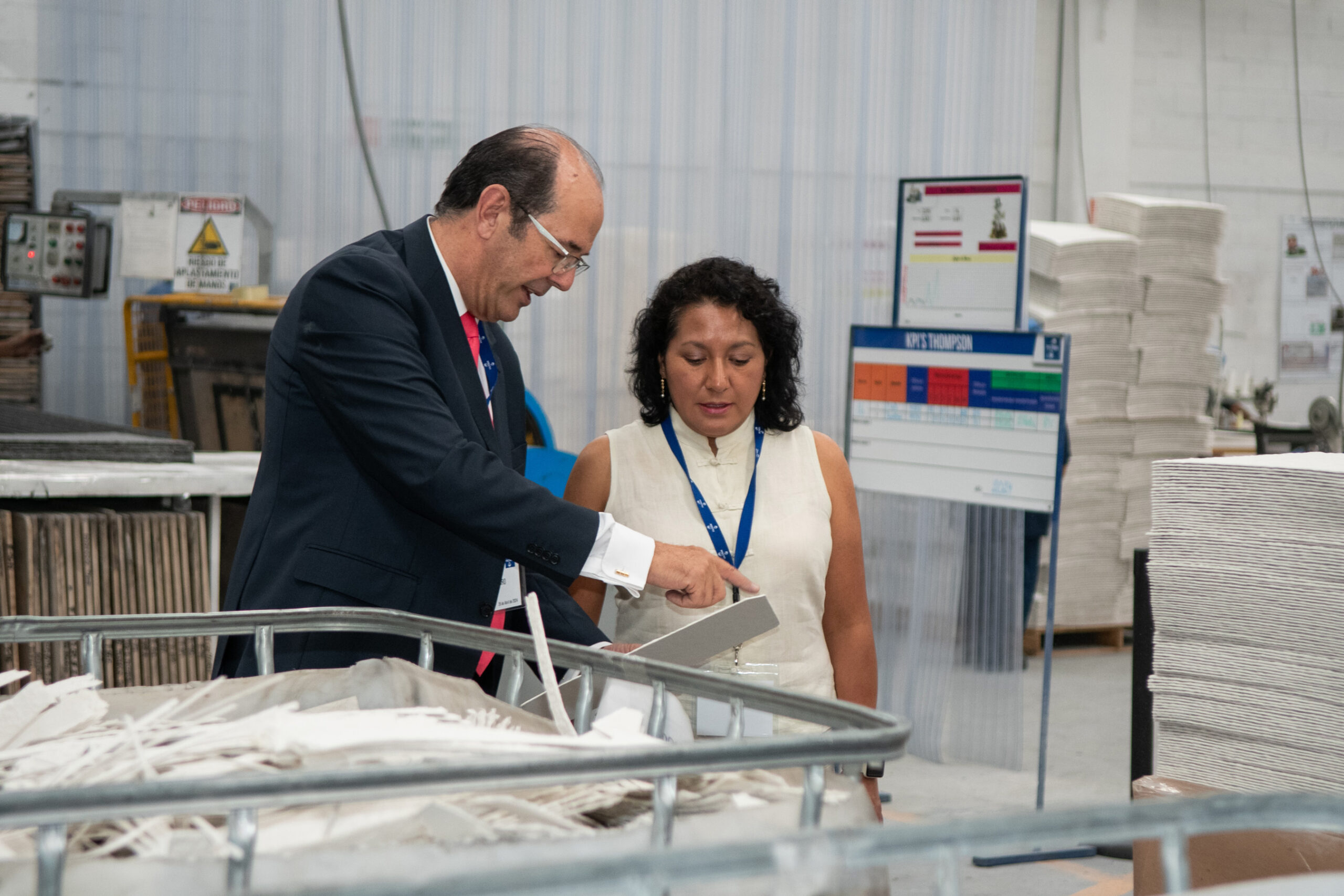
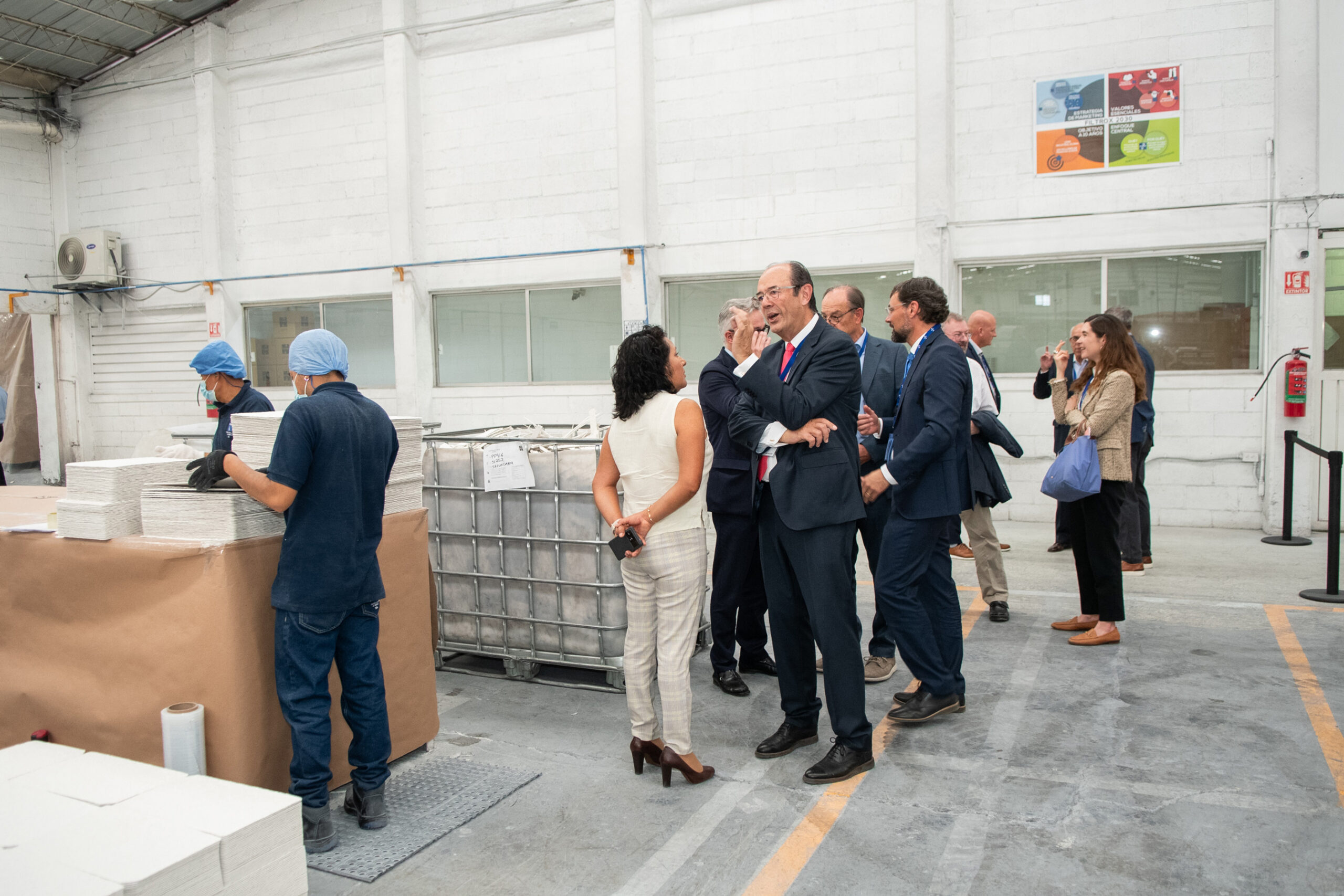
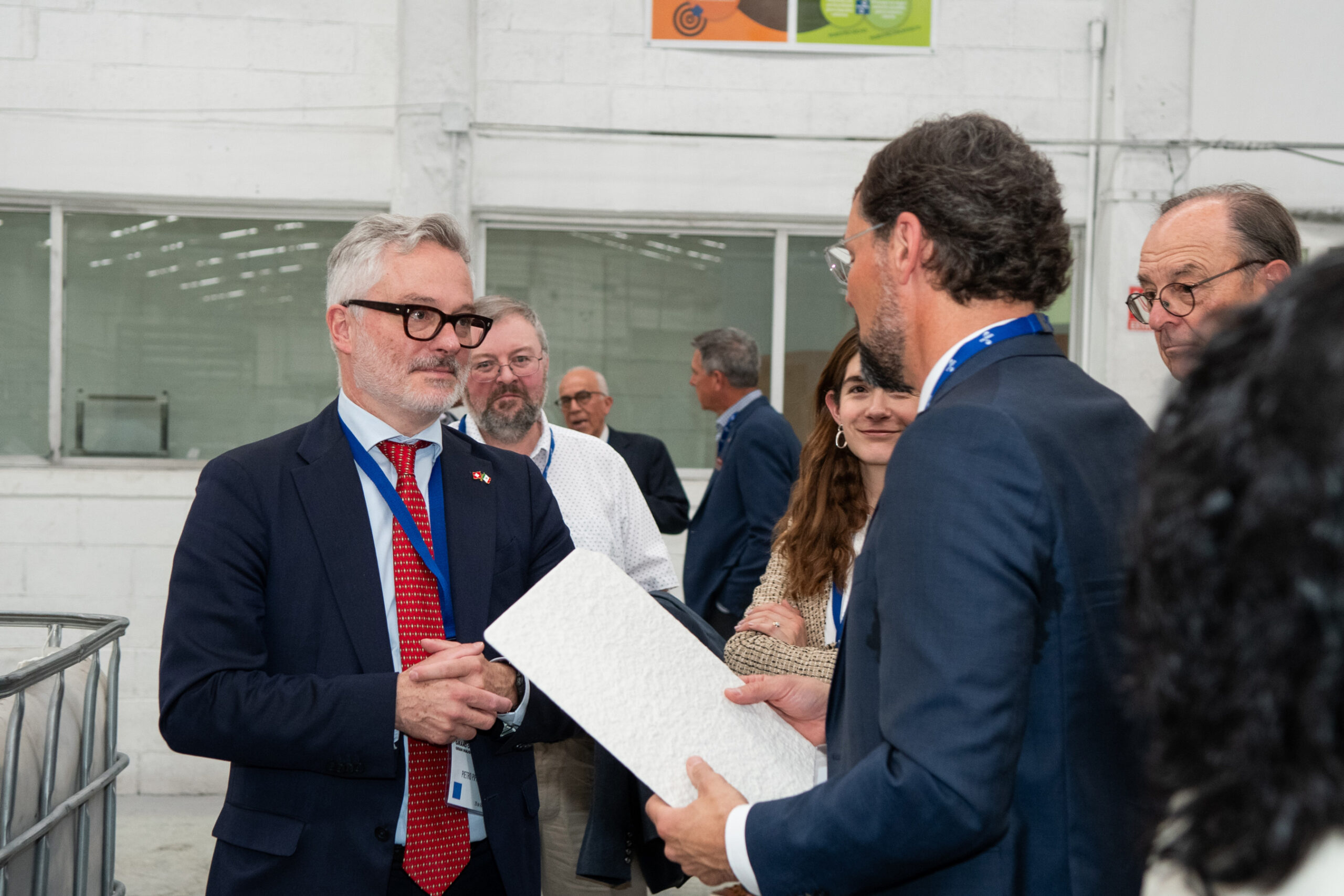
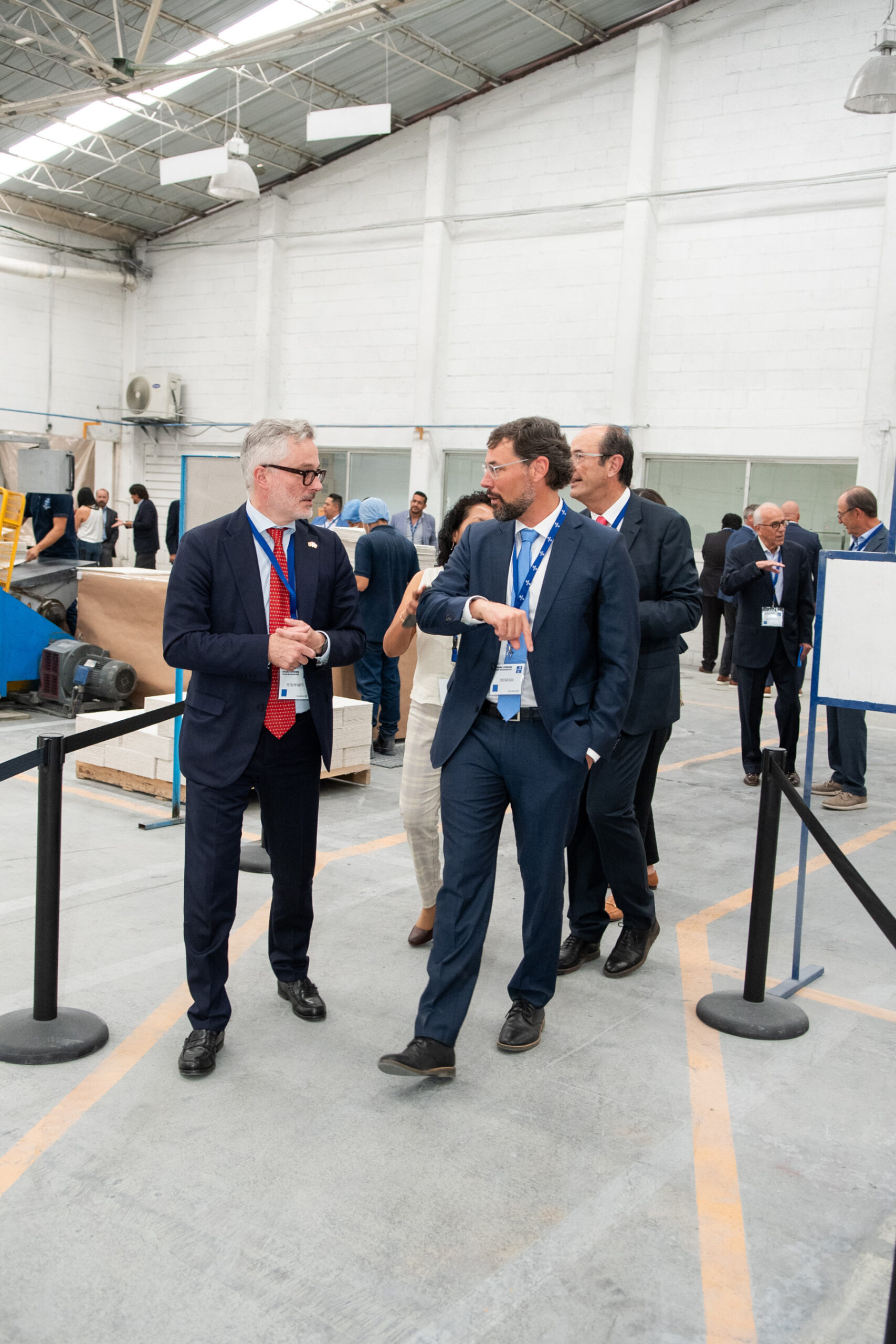
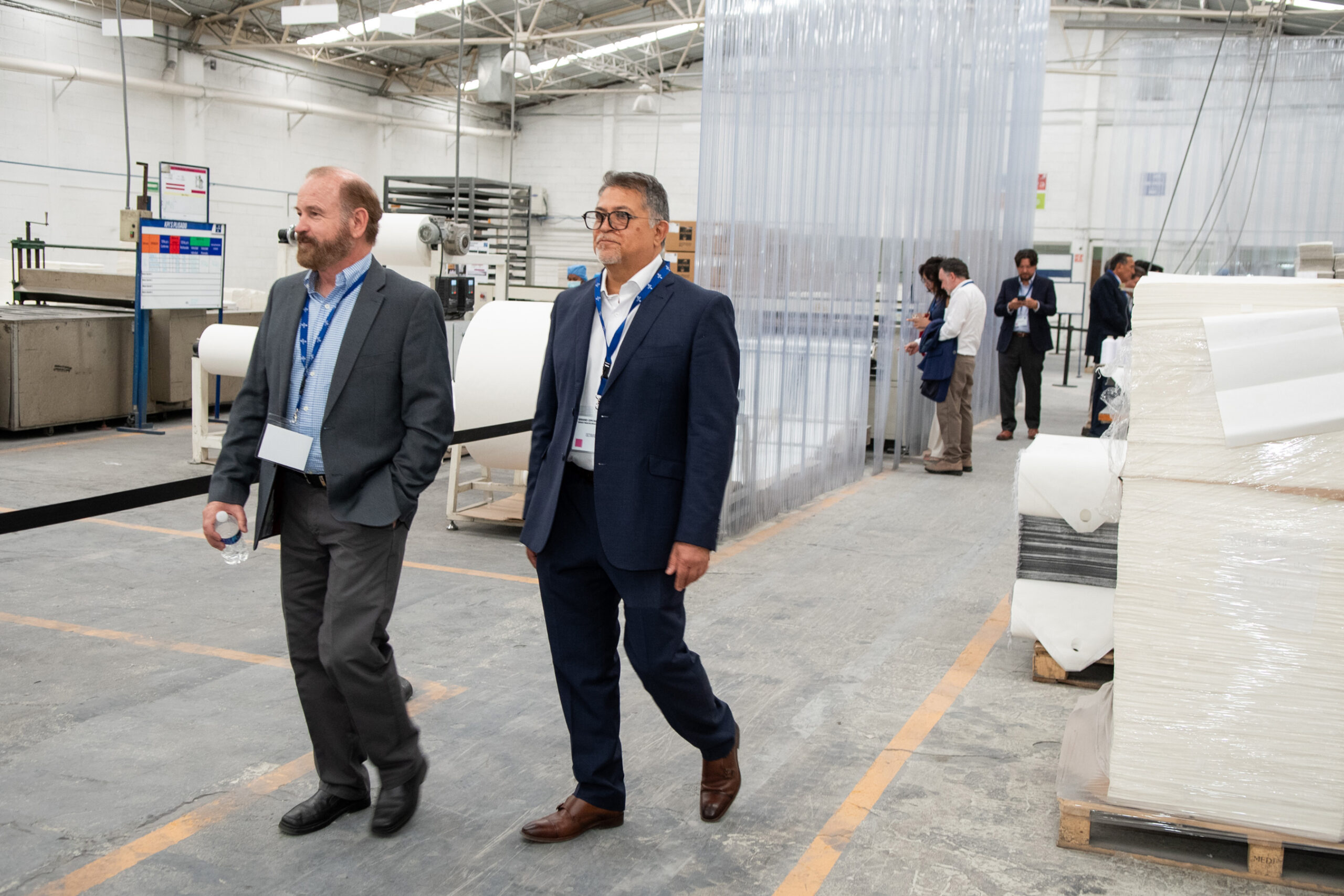
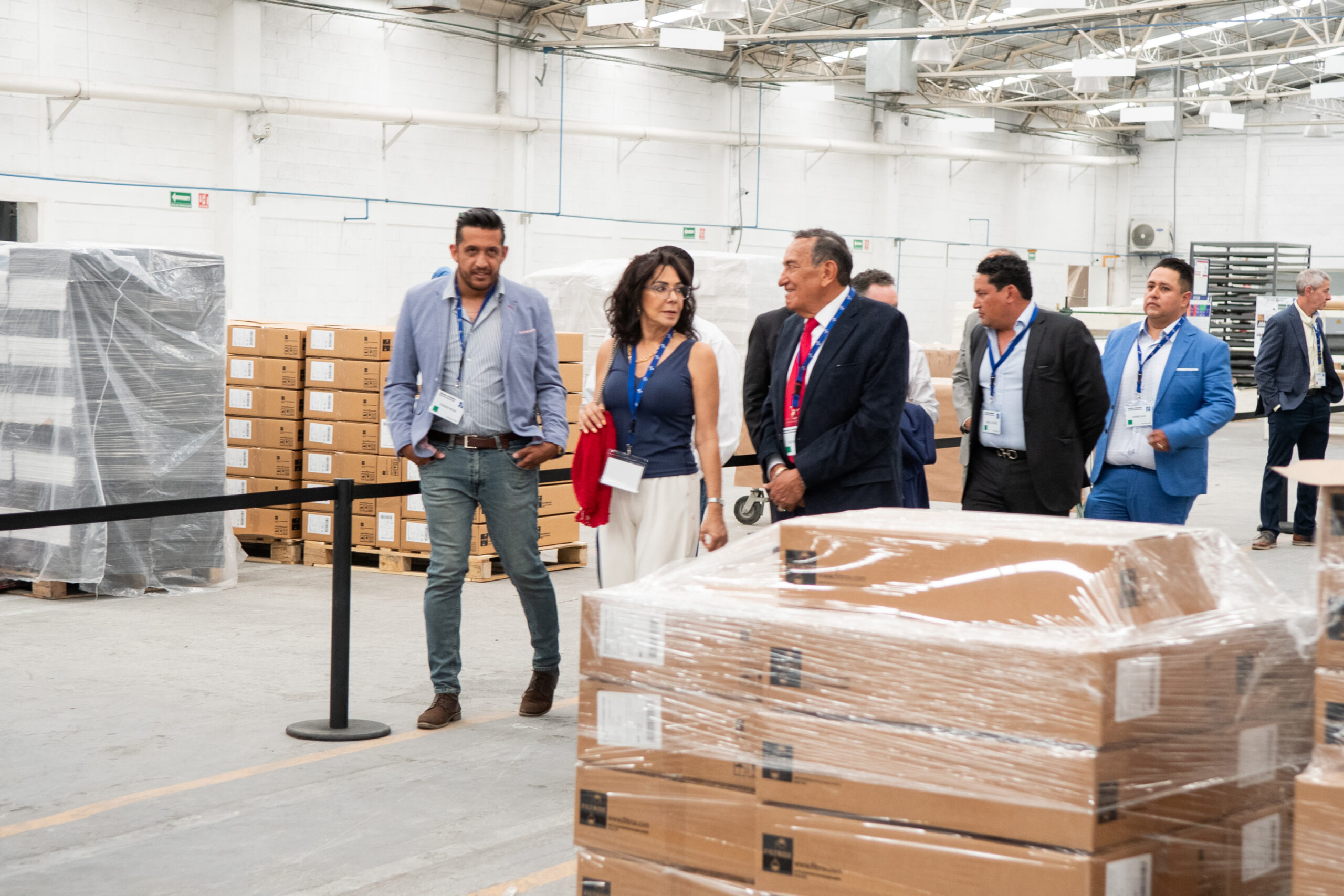
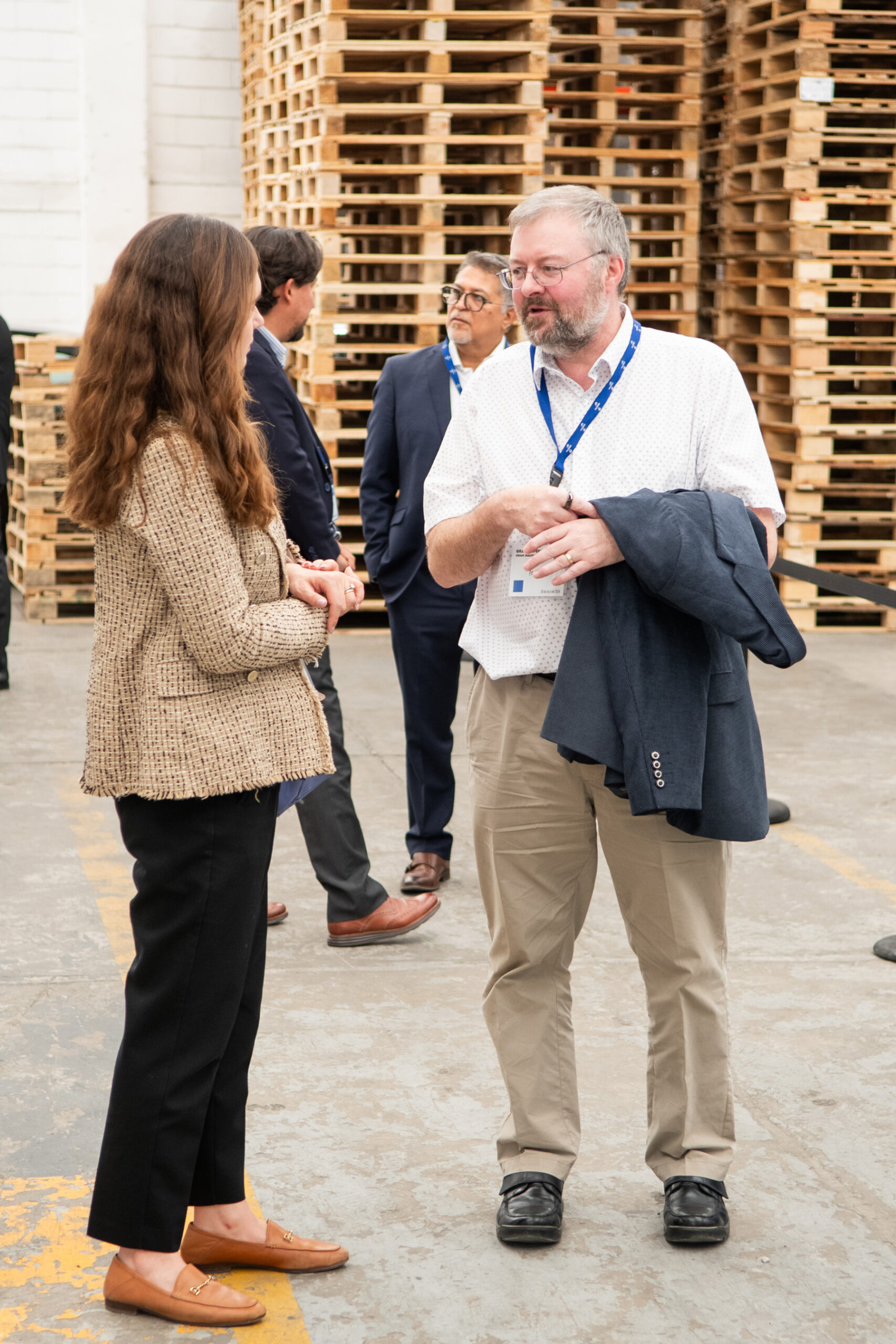
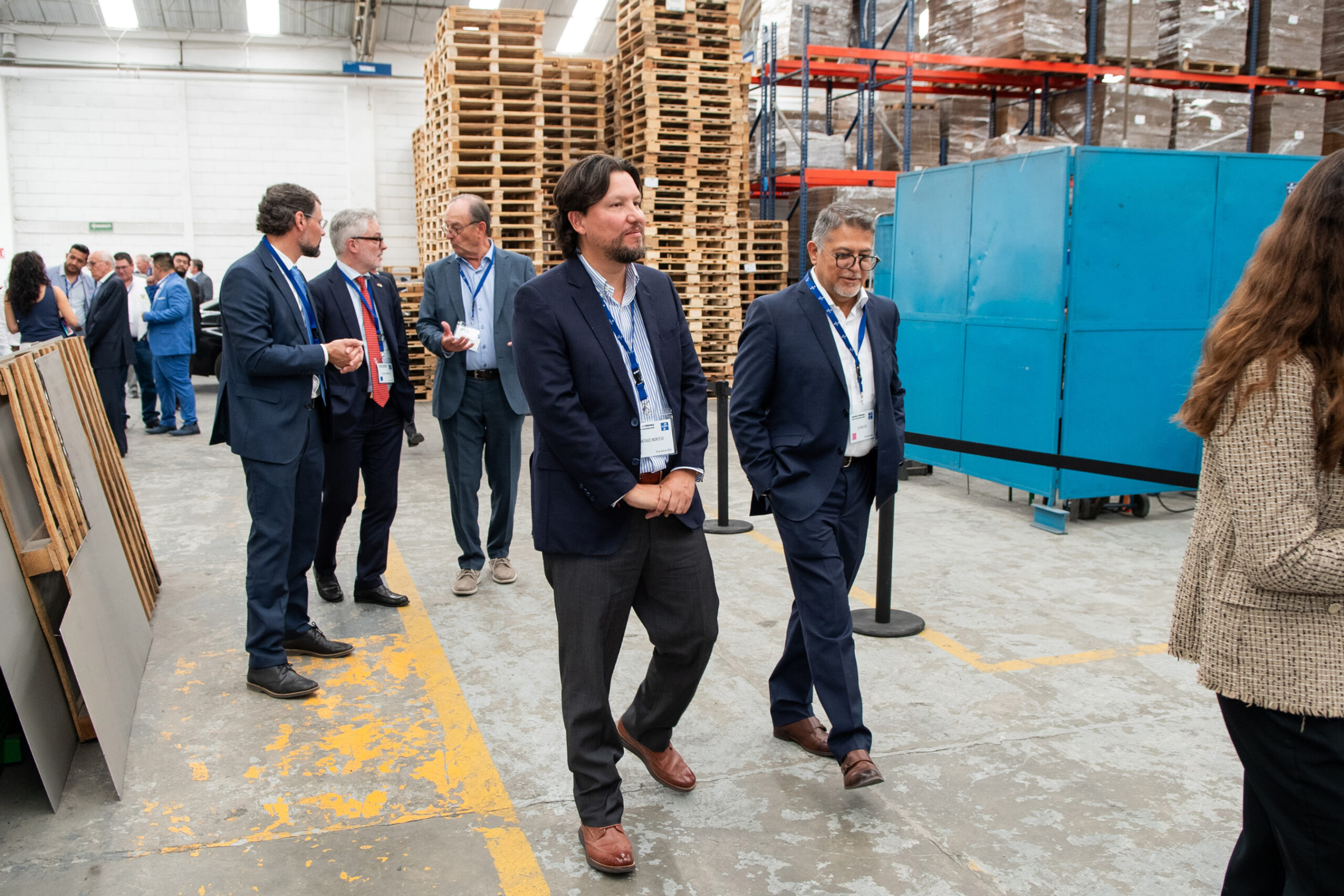
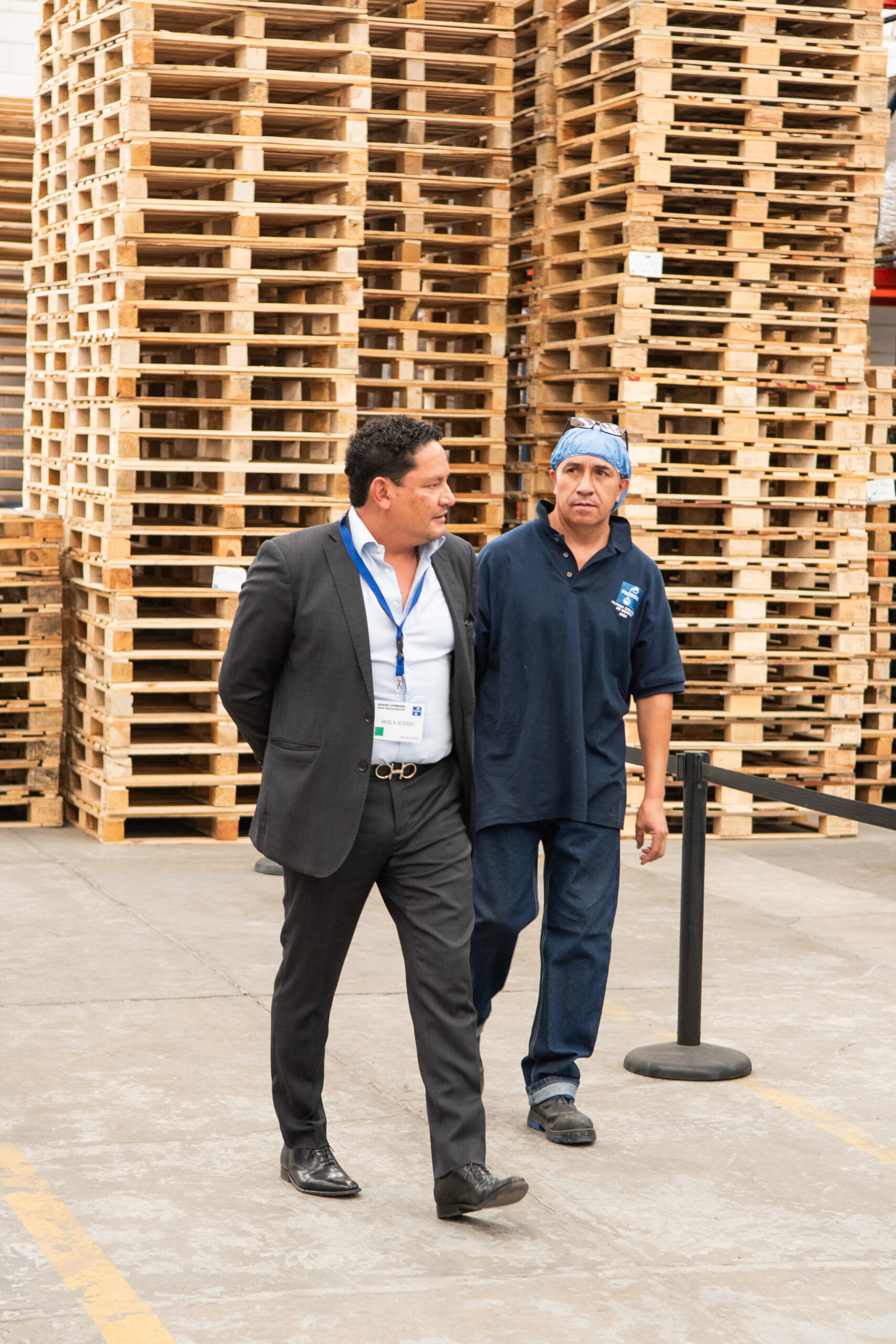
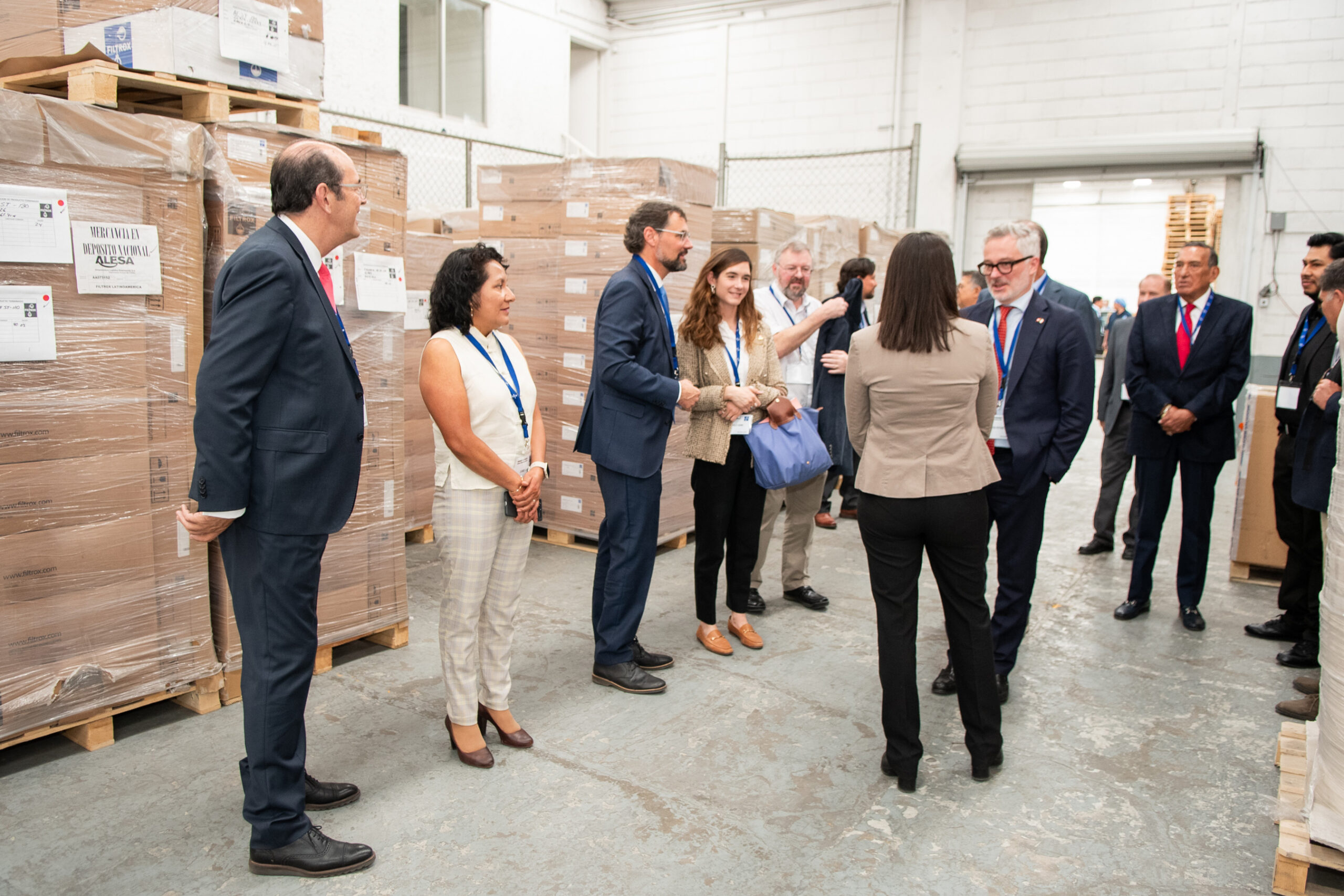
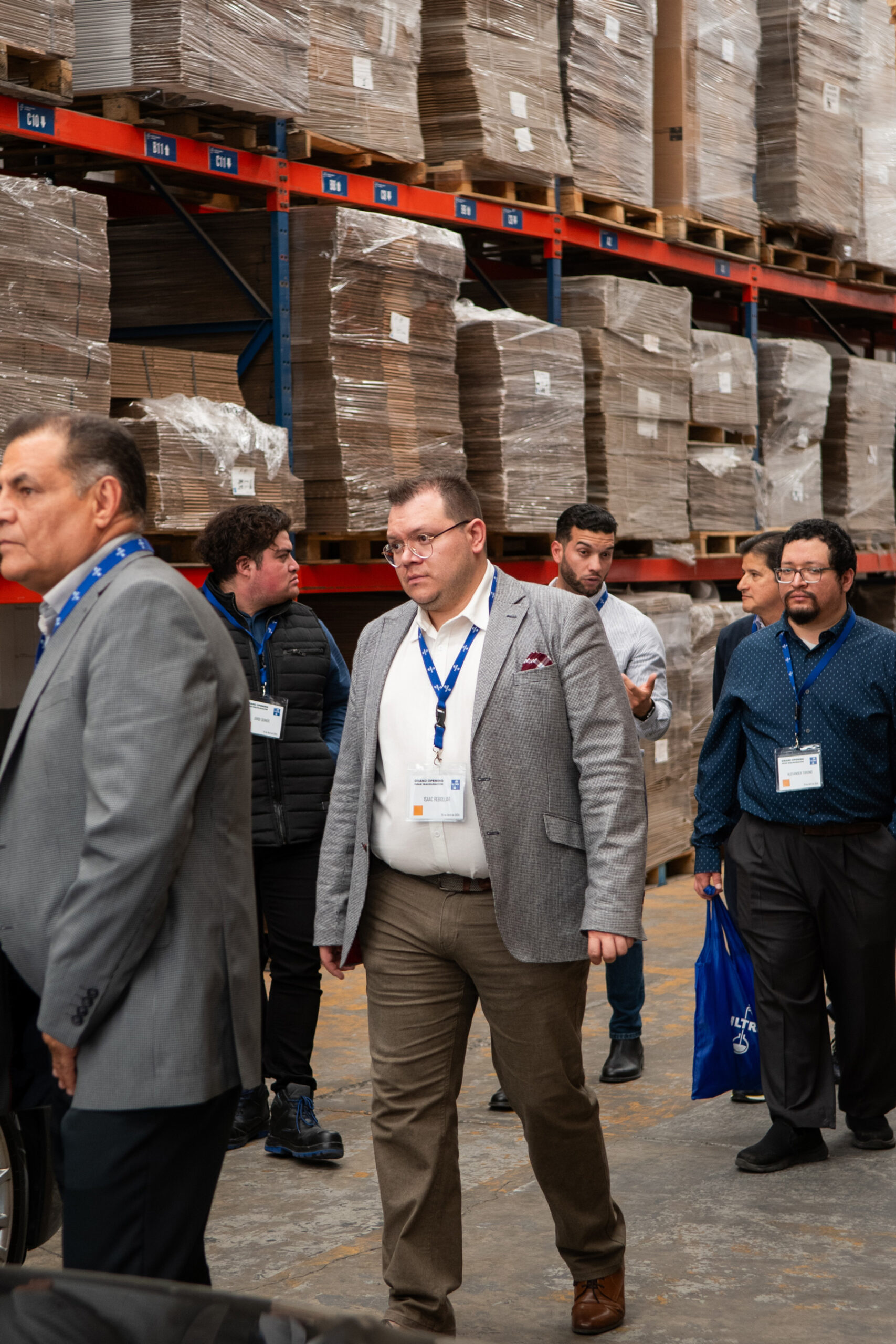
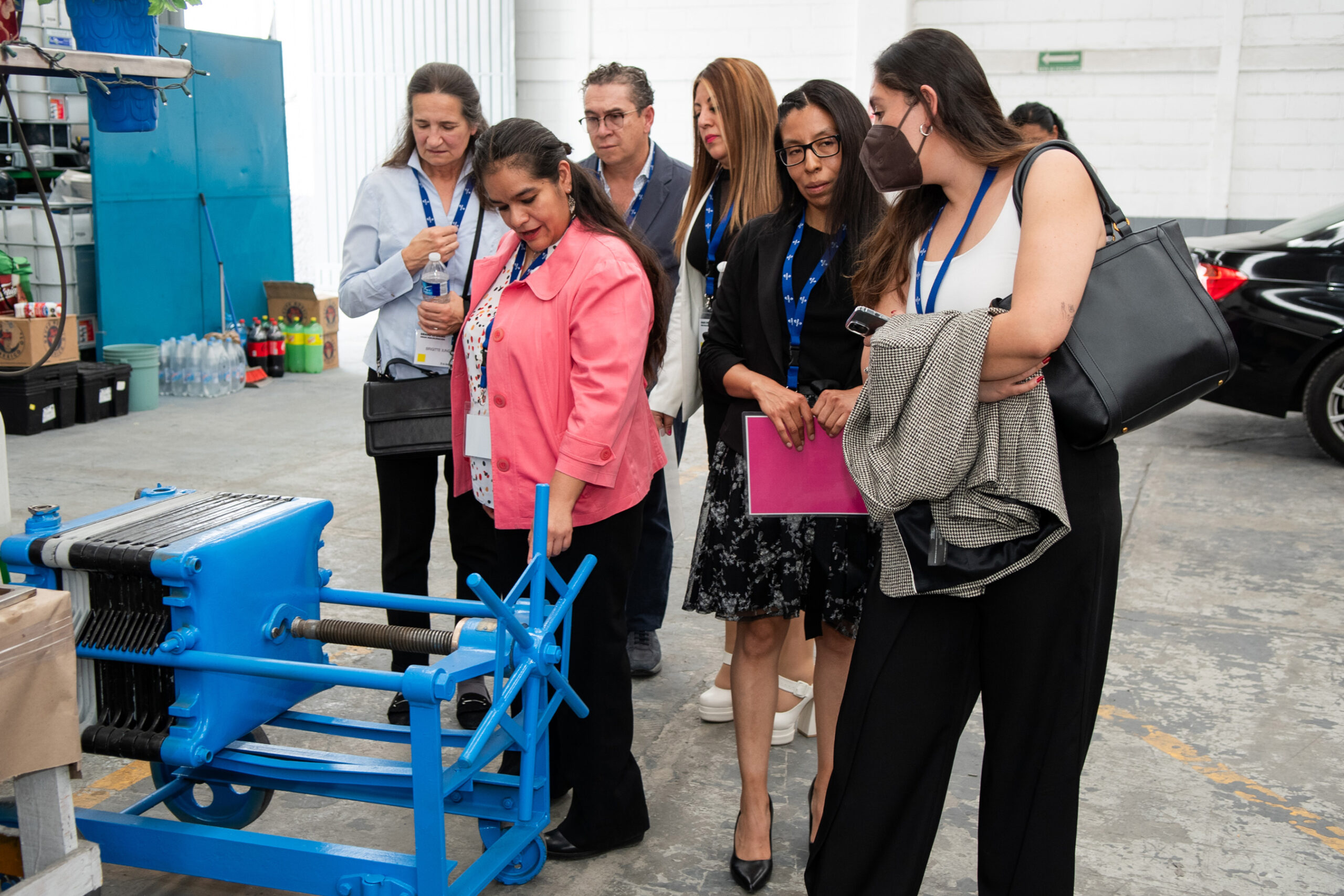
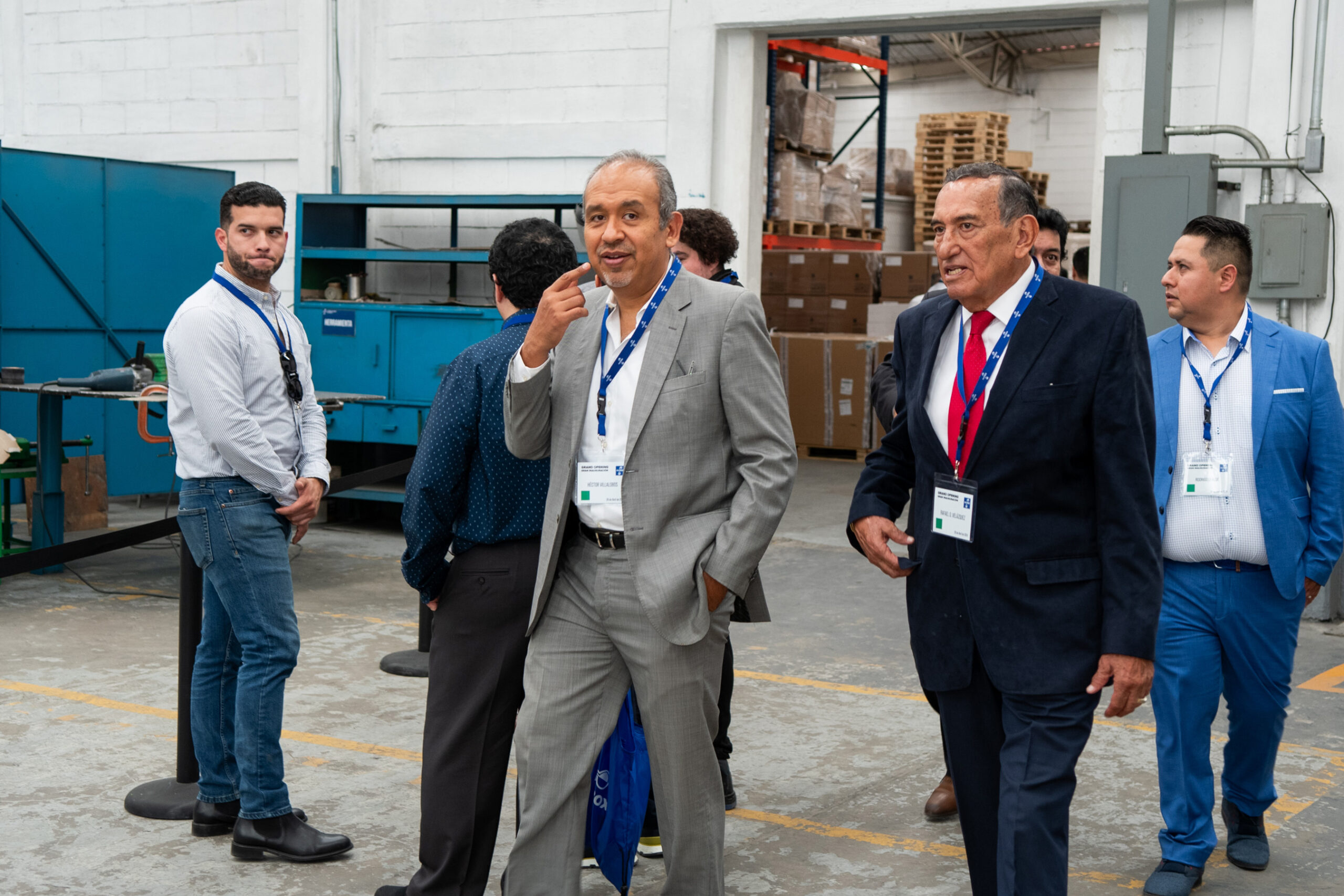
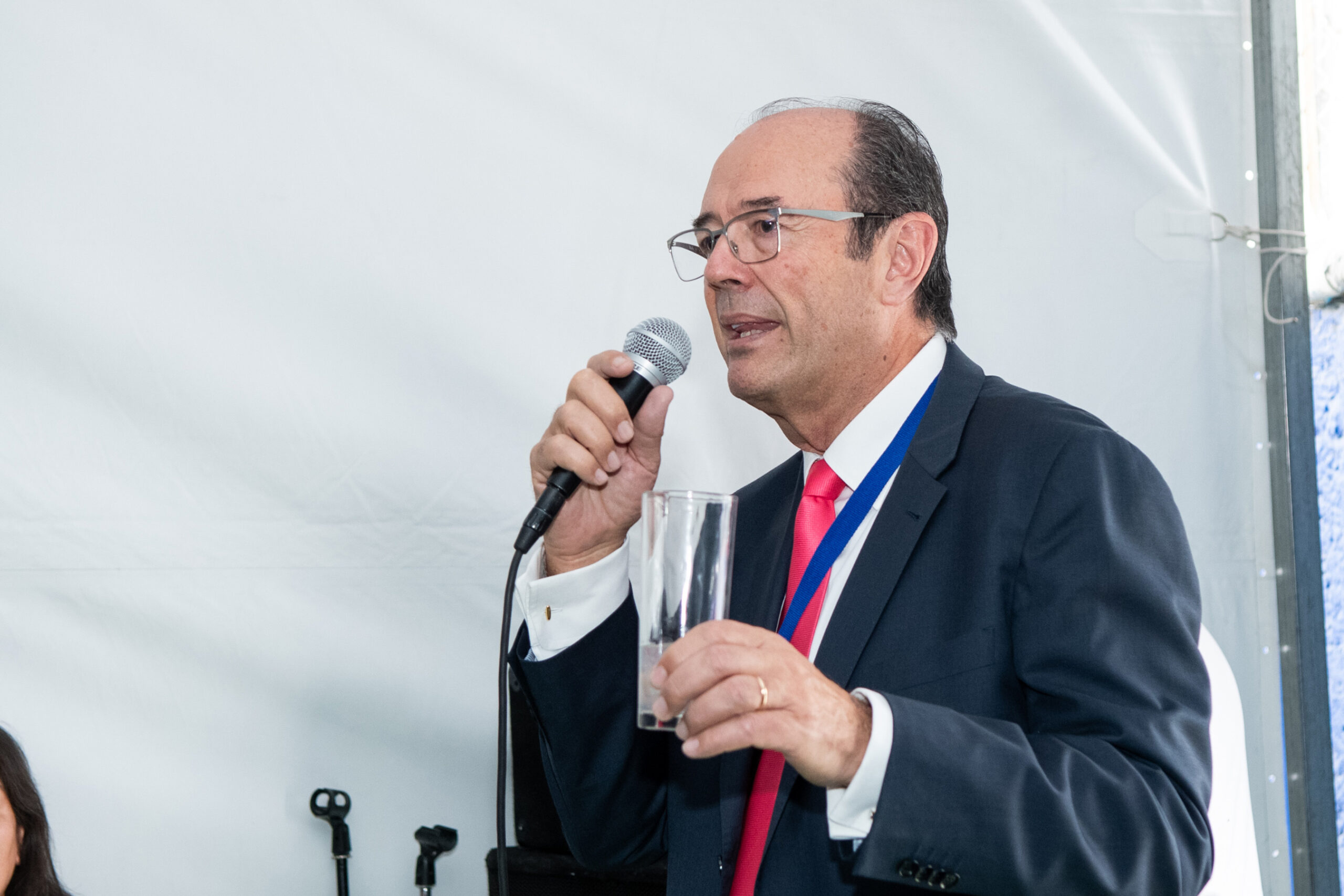
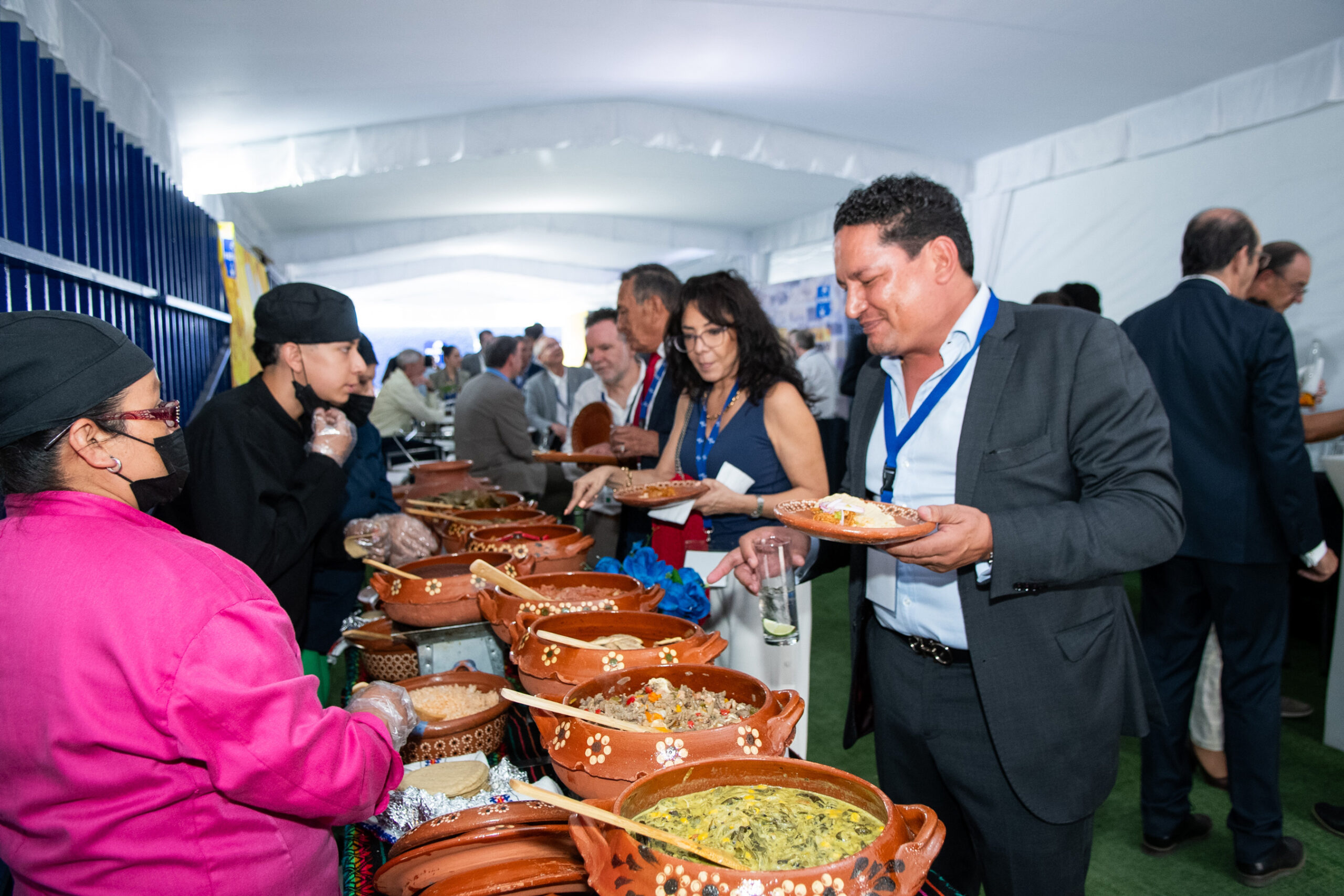
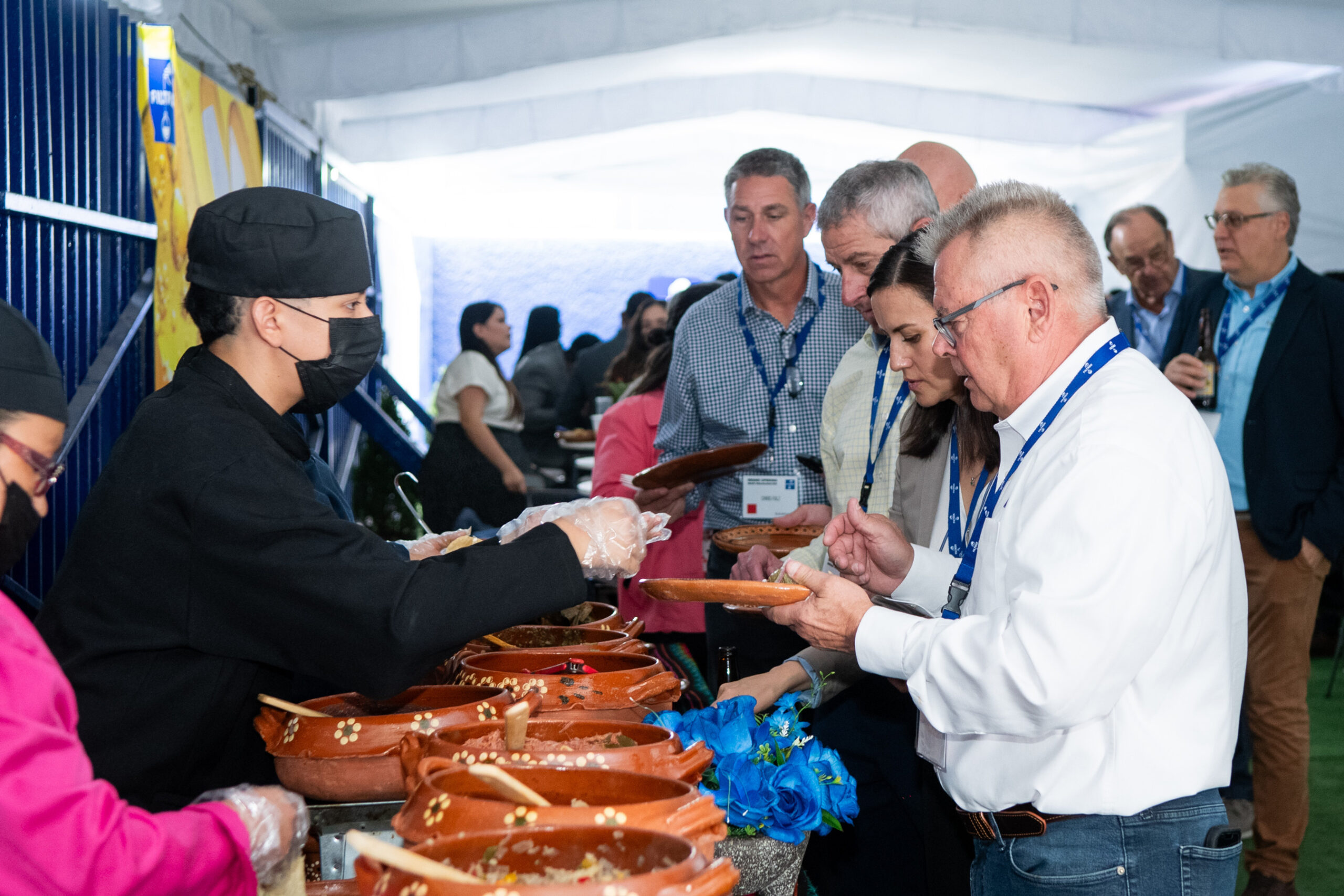
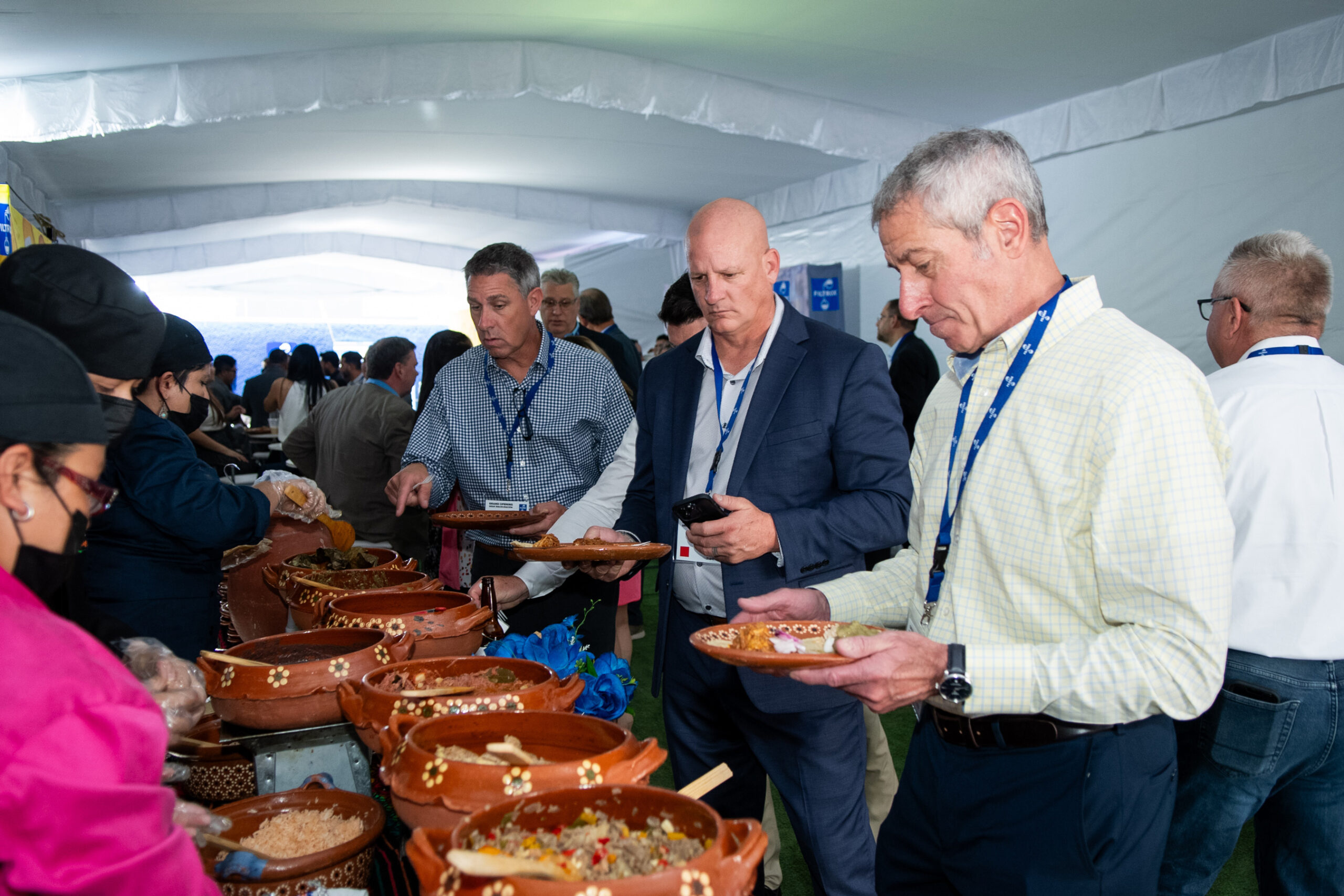
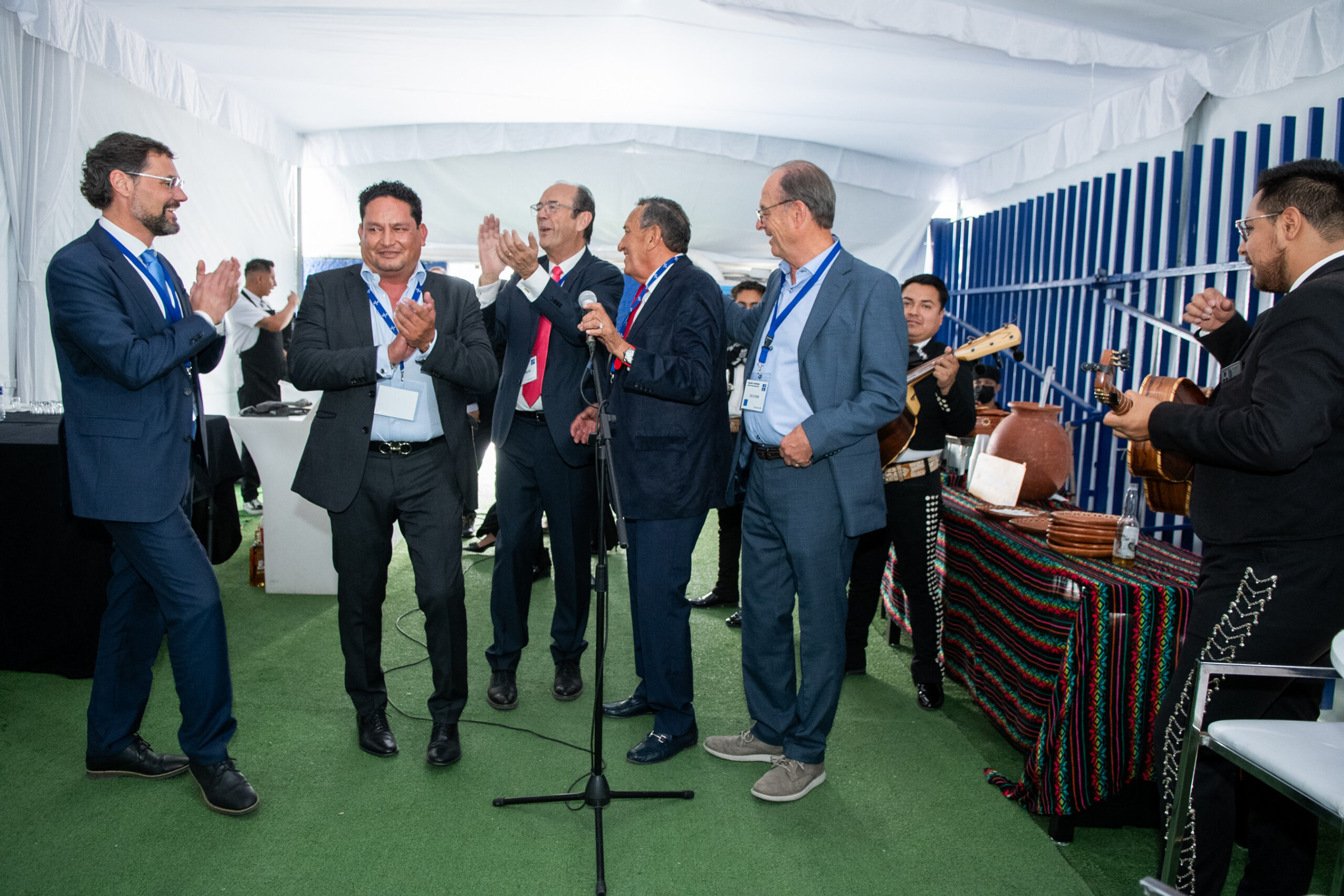
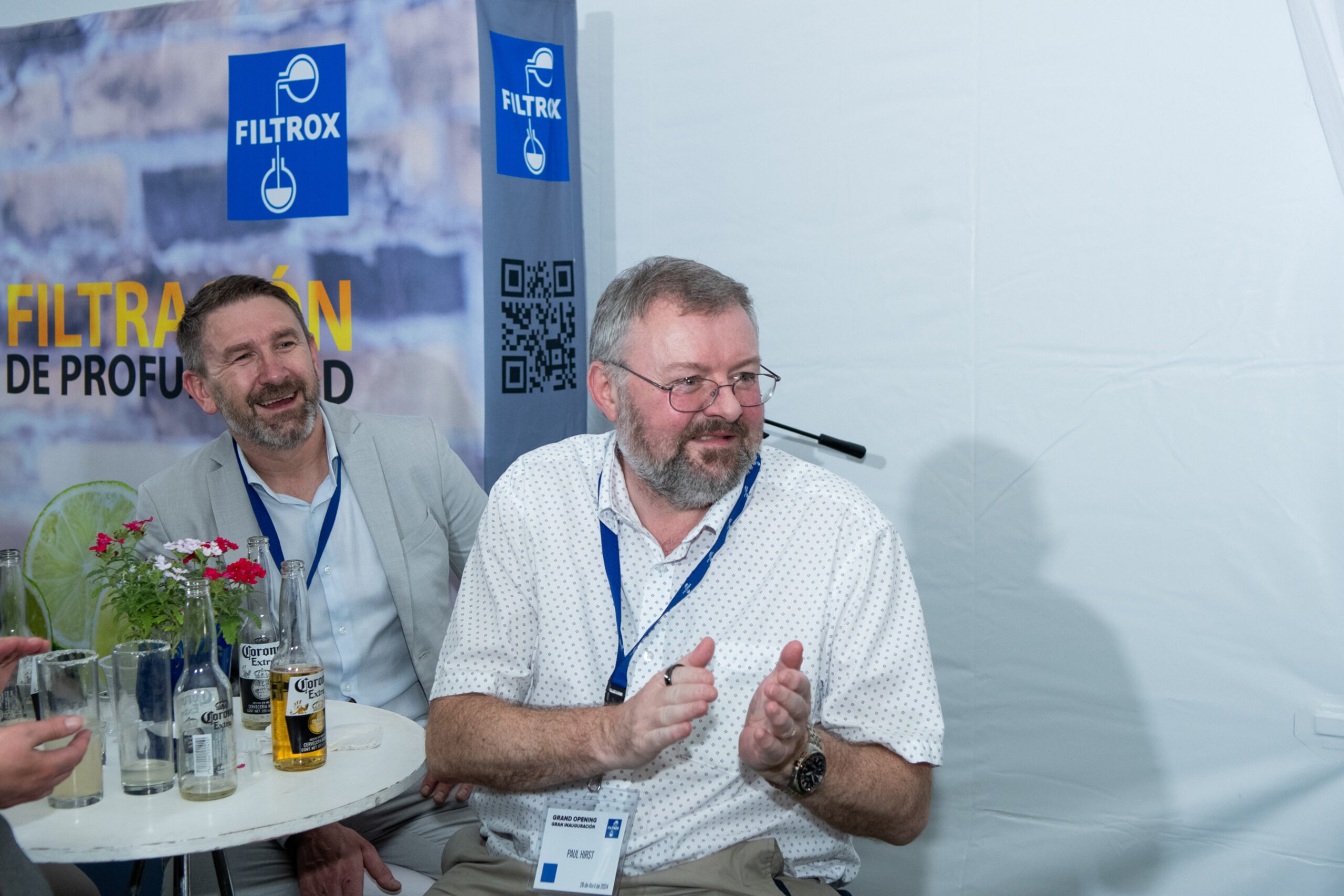
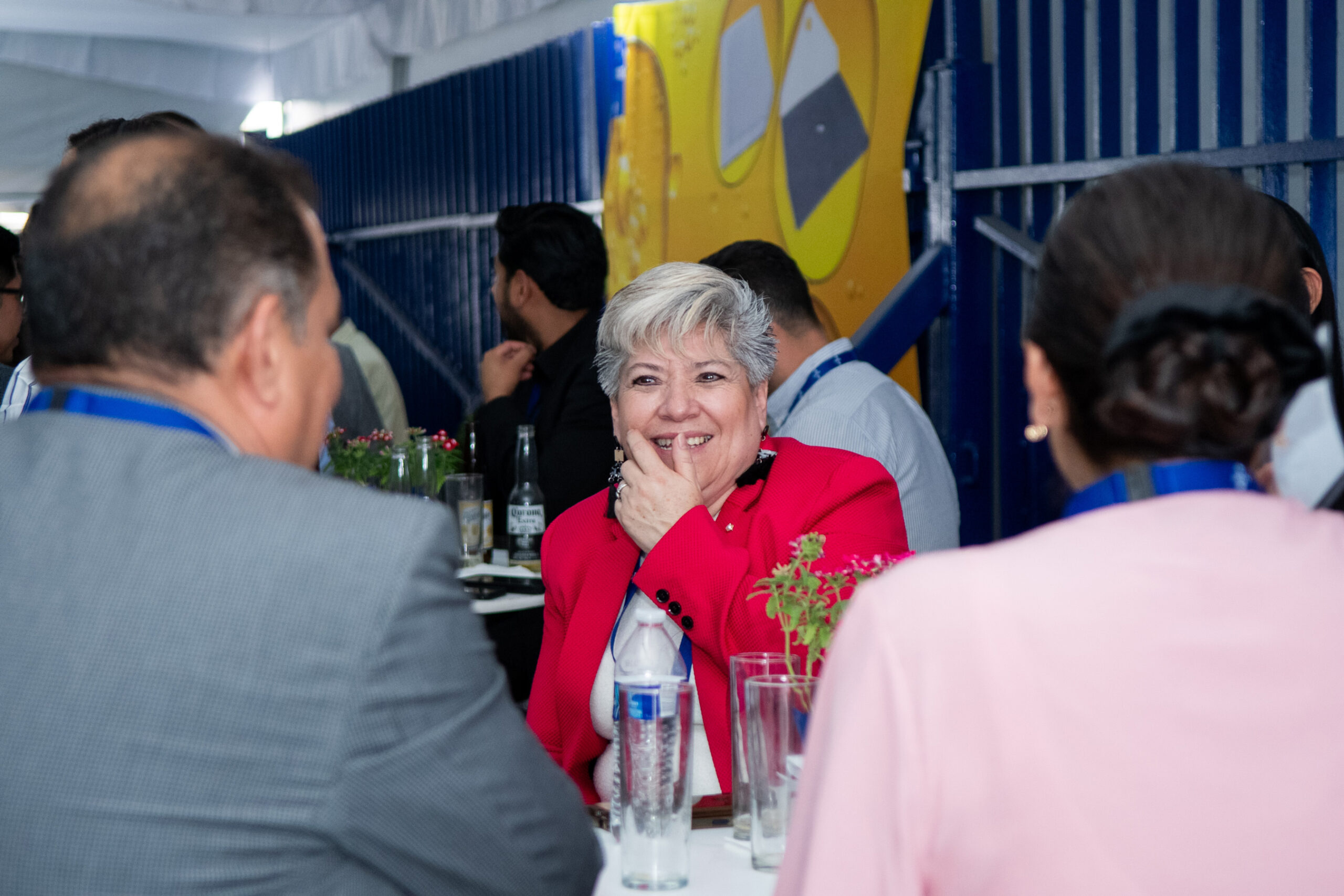
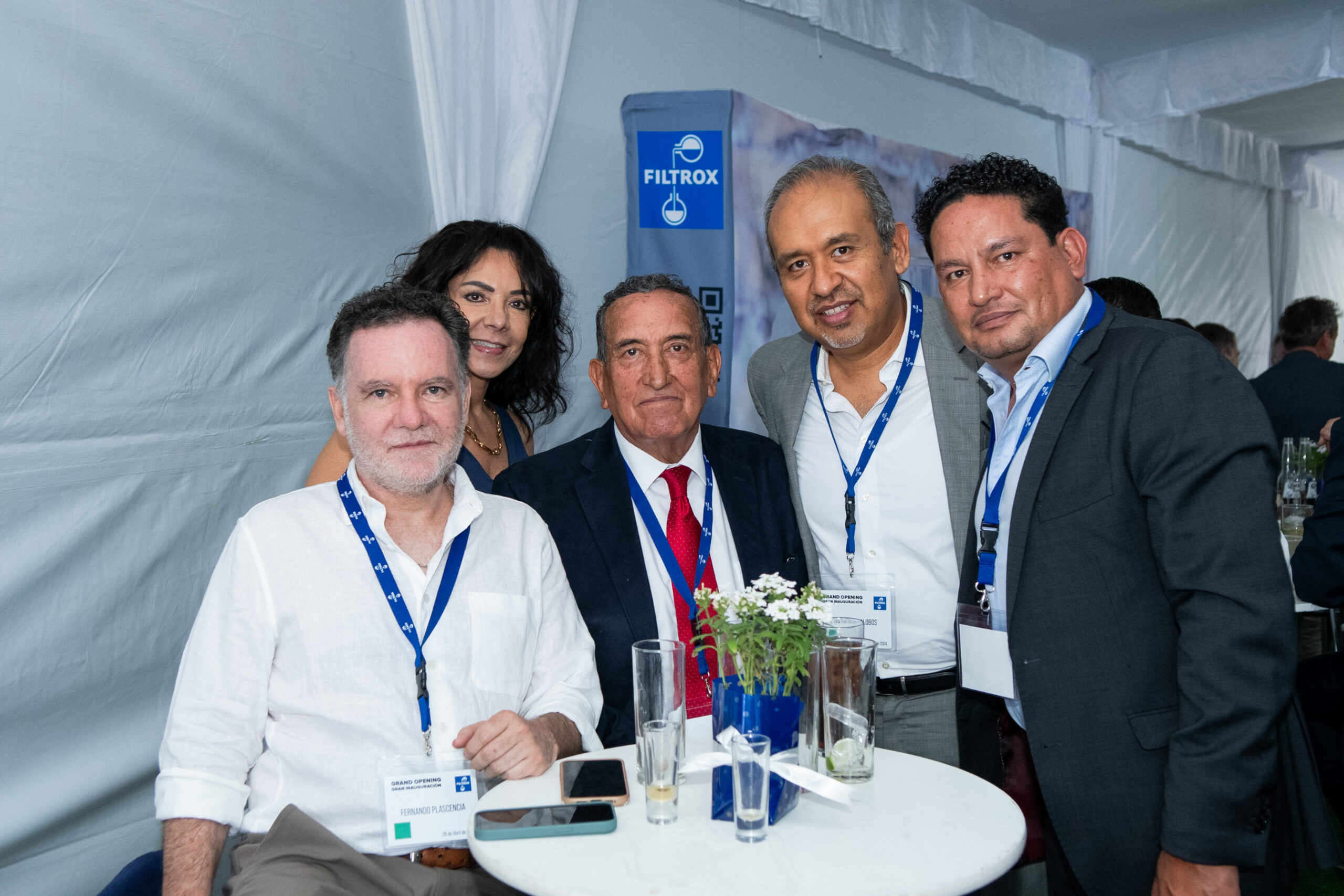
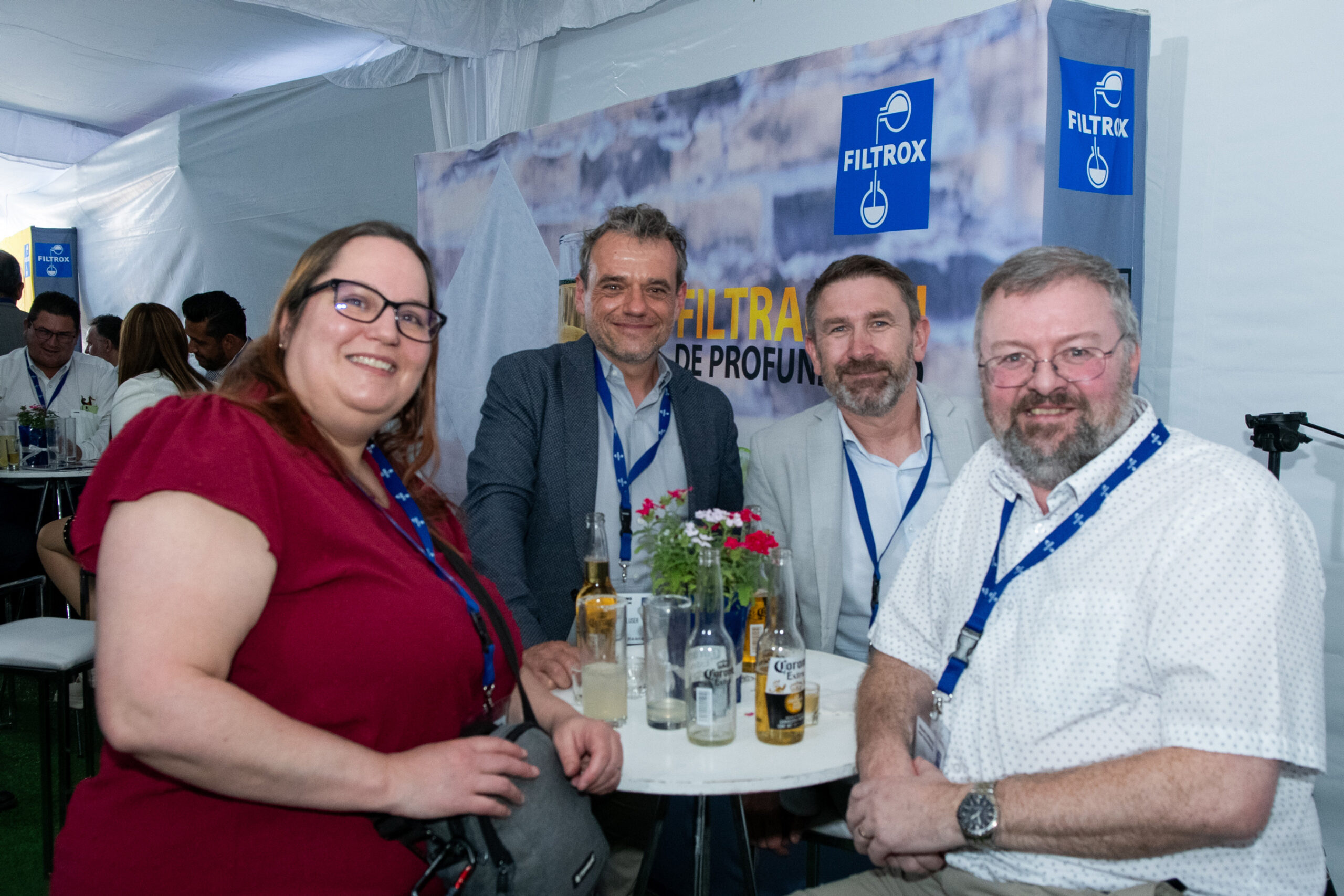
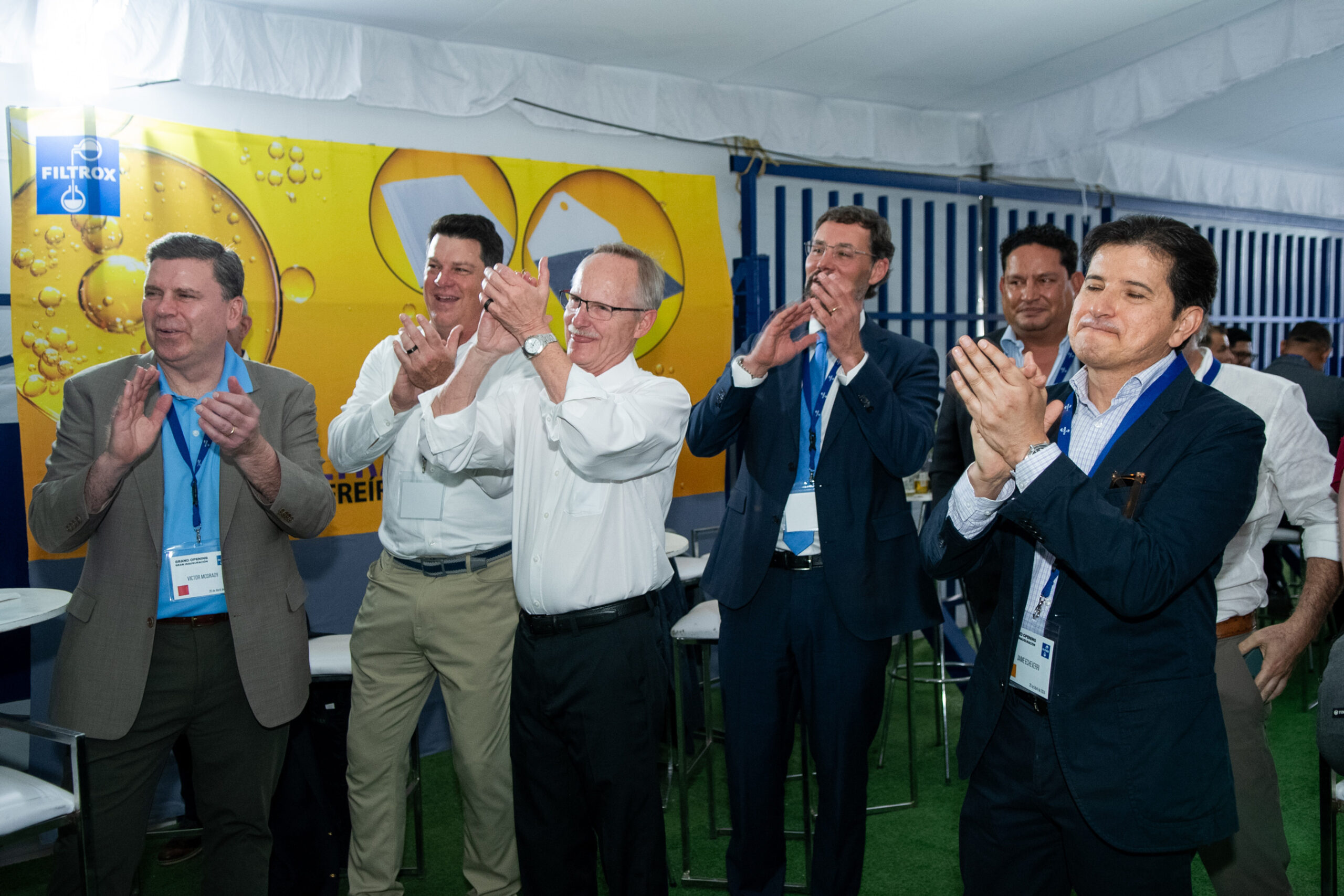
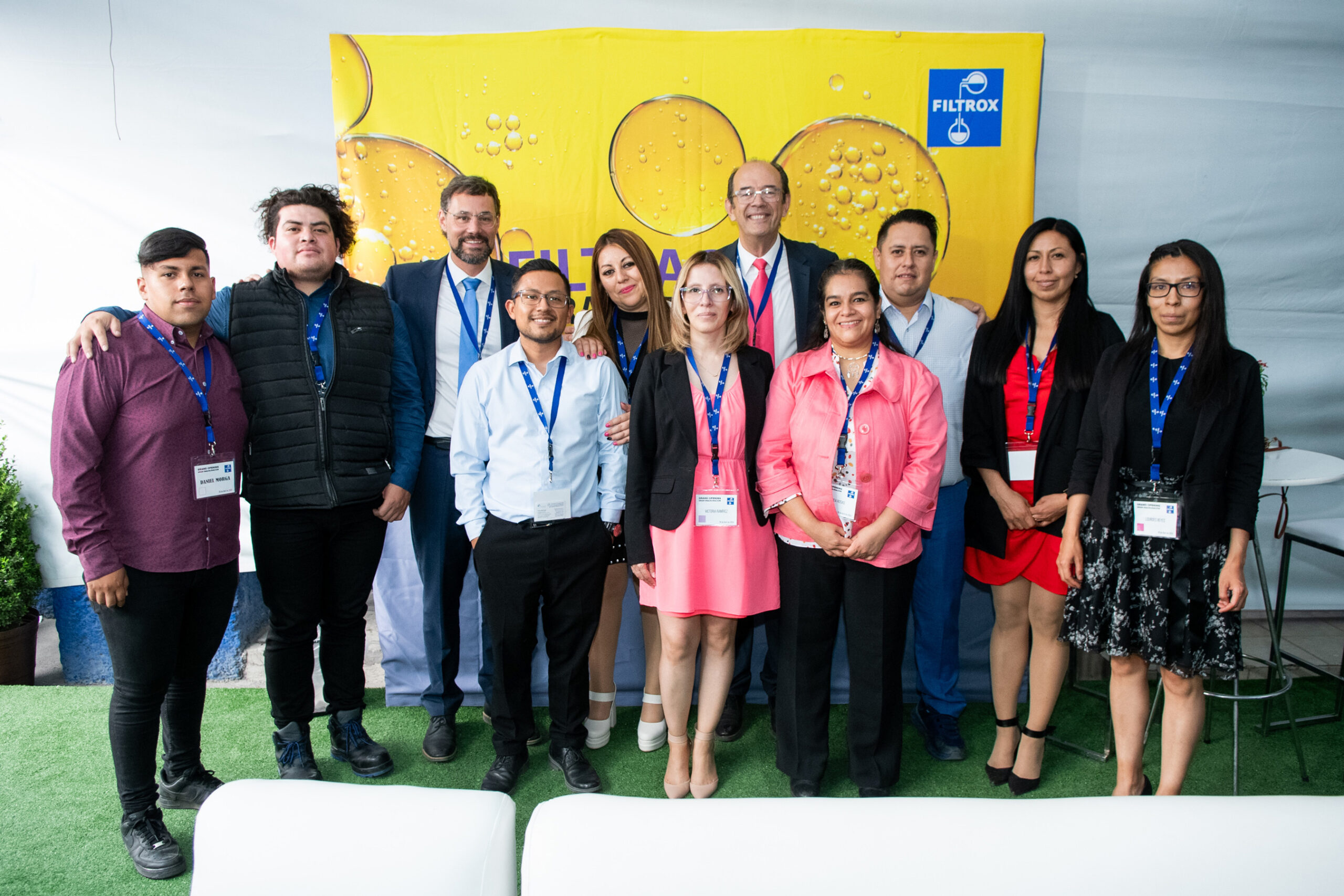
Last week marked again a milestone in FILTROX history as we unveiled our new production line at our facility in Tlalnepantla, Mexico! It was an honor to host guests from the U.S., Mexico, Peru, Colombia, Guatemala, the Dominican Republic, and Brazil, including esteemed officials, suppliers, partners, and distributors. His Excellency Piero Piffaretti, the Swiss Ambassador to Mexico, joined José Maria Padilla of the State of Mexico and Carmen Ugalde of Tlalnepantla City for the ribbon-cutting ceremony.
A huge thank you to the organizing committee for their stellar preparation, and to the entire FILTROX Team in Mexico for their outstanding hospitality! This achievement is a testament to the power of teamwork.
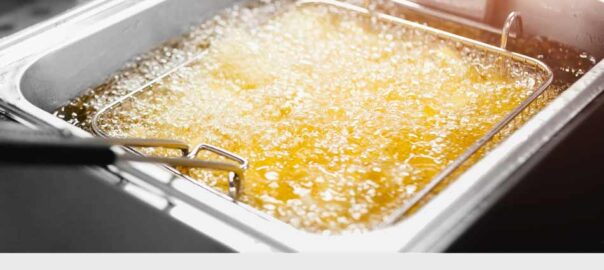
Extending the frying oil shelf life whilst maintaining product food safety and quality is one of the goals of food service operators. Filtering the frying oil regularly is by far the most important recommendation to achieve it.
Besides filtering, there are 2 other procedures restaurants follow to try to extend oil life, named frying oil cascading (rotation) or “cradle to grave”.
Frying Oil Cascading
is the procedure where the frying oil is transferred from one vat to another, until it is deemed unfit for use as per food service operator quality standard procedure or legislation.
“Cradle to Grave”
is the method of keeping the frying oil in the same vat that point is reached.
The oil degrades at different rates in the fryers vats when frying different types of food. When operators use cascading, oil is moved from a Vat with lower debris, lighter oil color (less “hostile” frying oil environment) to Vats with higher debris and darker oil color (more aggressive circumstances).
From experience, the frying oil life is maintained better when the “cradle to grave” operation is followed. There are some technical explanations that could support the preference for the “cradle to grave” approach.
Below are the advantages of it:
No risk of frying oil contaminants being transferred from one frying vat to another.
Less risk of allergens and off flavors cross contamination among products.
No work involved in transferring the fryer oil from one vat to another.
Easier to control frying oil service shelf life via frying oil quality parameters.
By working with the cradle to grave practice, the frying oil is allowed to run its normal degradation course and be discarded when the end point frying oil quality parameter is reached, thus maintaining a longer fry-life.
Therefore, it is always a good practice to maintain cradle to grave approach in restaurant fryer operations to obtain longer oil fry-life and avoid product food safety and quality issues.
The quality of fried food is highly linked to the conditions of frying oil. Although there is not one specific worldwide regulation for frying oil quality, several countries have adopted guidelines or created regulations for the matter. Most of them are based on studies done regarding frying oil stability during cooking and possible deleterious effects in human health.
Nowadays, Total Polar Compounds (TPC) or Total Polar Materials (TPM) is the most common frying oil parameter. These are the most reliable to determine the oil quality, according to the German Society for Fats Science (DGF). The TPM value provides information on the quantitative proportion of polar and non-polar compounds in cooking oil. In Europe, determining the TPM value has become the standard reference protocol. For assessing the fats and oils quality in deep-frying conditions in foodservice, it is one of the best quality indicators. As a result, several countries have set the limits of 24 to 27% TPM for degraded frying oil. In countries such as the USA and Australia, where TPM is not a legal limit value, the parameter is becoming increasingly used by foodservice operators as an internal benchmark.
Some countries use acid value (AV) or free fatty acids (FFA) as quality standard. According to American Oil Chemists’ Society Official Methods and Recommended Practices, FFA is obtained dividing AV by the factor 1.99.
Below are some countries with guidelines or regulations in place to determine frying oil quality for Foodservice.
Country
Parameter
Limit (%)
Austria
TPM
≤ 27
Belgium
TPM
≤ 25
Brazil
TPM
≤ 25
Chile
TPM
≤ 25
China
TPM
≤ 27
Costa Rica
TPM
≤ 25
Czech Republic
TPM
≤ 25
Finland
TPM
≤ 25
France
TPM
≤ 25
Germany
TPM
≤ 24
Hungary
TPM
≤ 30
India
TPM
≤ 25
Italy
TPM
≤ 25
Japan
Acid value
≤ 3
Panama
TPM
< 25
Poland
TPM
≤ 25
Portugal
TPM
≤ 25
South Korea
Acid value
≤ 3
Spain
TPM
< 25
Switzerland
TPM
≤ 27
Thailand
TPM
≤ 25
The Netherlands
TPM
≤ 27
Turkey
TPM
≤ 25
Filtering the frying oil frequently and having a consistent procedure to discard it according to quality parameters is the best way to improve oil life and keep fried food quality.
If you want to learn more about this and other frying oil technical topics, please contact FILTROX.
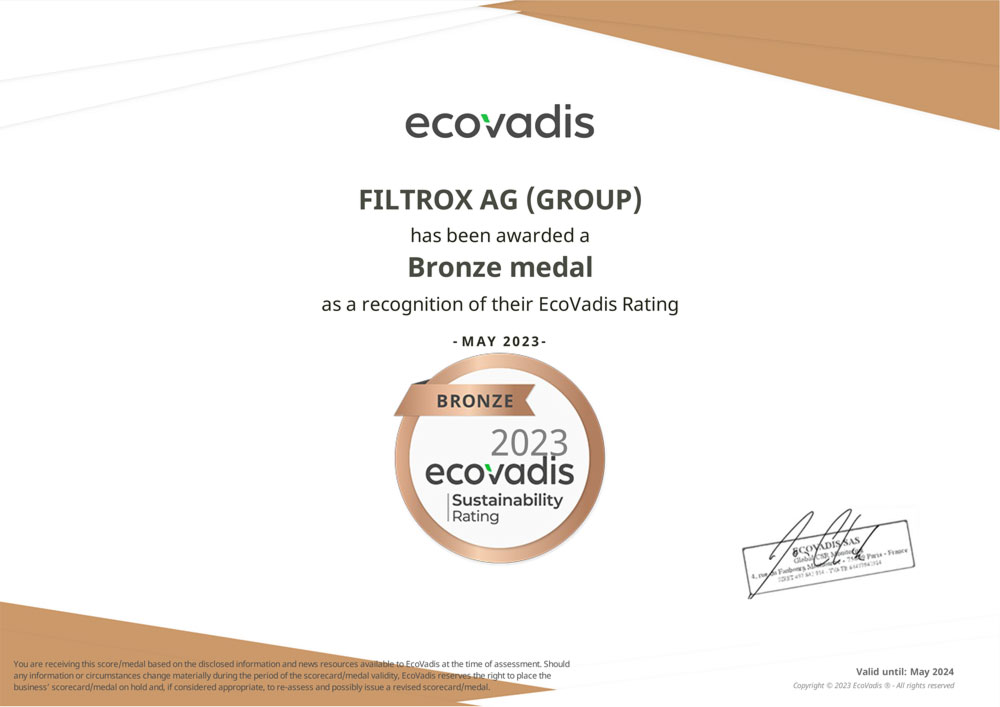
We have been awarded a Bronze medal as a recognition of EcoVadis Rating. This is a significant achievement that reflects our commitment to sustainability and responsible business practices.
EcoVadis is a global sustainability rating platform that evaluates companies on a range of environmental, social, and ethical criteria. Their comprehensive assessment process looks at our policies, practices, and performance across a variety of areas, including environmental impact, labor and human rights, and business ethics.
We are proud to present our first sustainability report, which outlines our commitment to responsible business practices and our efforts to minimize our impact on the environment.
A large part of the work consisted of creating the measurable basis for a sustainable future in which facts and figures were collected and analyzed. Then we have initiated and implemented a number of activities and measures.
We believe that transparency and accountability are essential to achieving our sustainability goals, and we are committed to reporting on our progress regularly. We will continue to work towards reducing our environmental impact and promoting social responsibility, and we look forward to sharing our progress with our stakeholders in future reports.
Finding the right depth filter is not easy and often time-consuming. The FILTROX Scale-up Test Kit supports you in finding the best depth filter solution for your application in a simple and efficient way, whether depth filtration or alluvial filtration.
With the included material, you can start with 20 mL experiments and scale-up the results to your desired batch size.
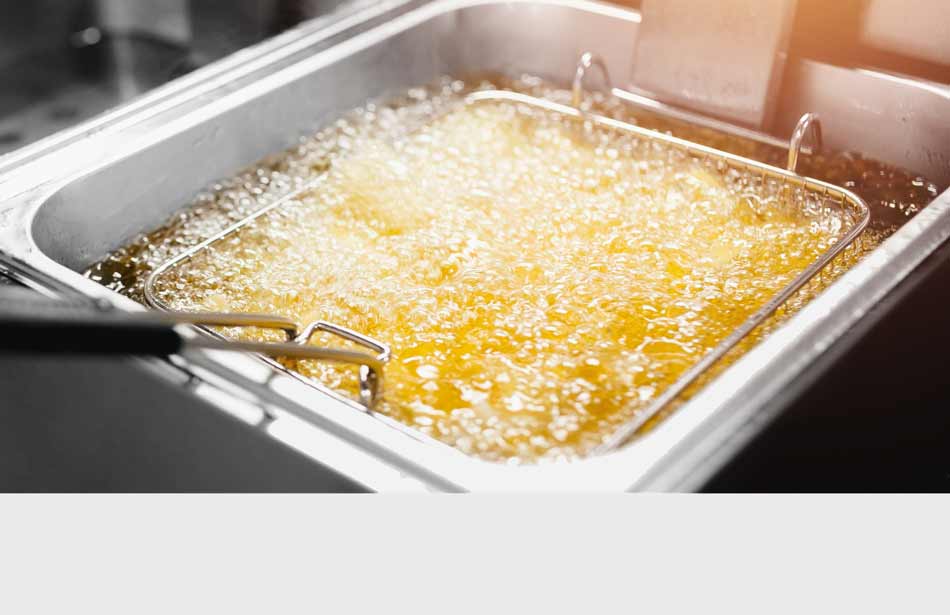
Frying oil degradation is a very complex process. It involves several chemical and physical reactions between the frying medium and the product. During frying, physical changes occur, such as heat being transferred from the heating elements to the frying oil and consequently from the oil to the food. Heat causes water in the food to evaporate and reacts with the frying medium.
In addition, there are several chemical reactions occurring among food, frying medium and air. These interactions, influenced by the frying oil, food types as well as frying conditions and oxygen availability are interrelated and produce a complex mixture of substances. The chemical reactions frying oil undergoes are oxidation, hydrolysis and polymerization.
Oxidation
The oxidation is the interactions of the frying oil with oxygen, either coming from air or from the product. Oxidation by-products are hydroperoxides, ketones, dimers, among others. These compounds evolve to other volatile and non-volatile components, like alcohols and aldehydes.
Hydrolysis
Hydrolysis is the chemical reaction between water and the frying oil, producing, among other components, free fatty acids. Free fatty acids can increase the hydrolysis process by interactions with steam released by the product during the frying process.
Polymerization
Polymerization results in the formation of very large molecules (high molecular weight) in the frying oil. Polymers increase frying oil viscosity and cause foaming. In extreme cases it forms a yellow lacquer on the frying heating elements and vat wall. It impairs a bitter taste and higher frying oil absorption in the fried product.
.
Oxidation, hydrolysis and polymerization by-products are considered polar substances, which can be measured as total polar materials or components (TPM or TPC). TPM/TPC is the best parameter to evaluate frying oil quality in Foodservice.
Please read more about Frying Oil Degradation in our Article “Restaurant Frying Oil Quality Parameters”.
If you want to learn more about this and other frying oil technical topics, please contact FILTROX.